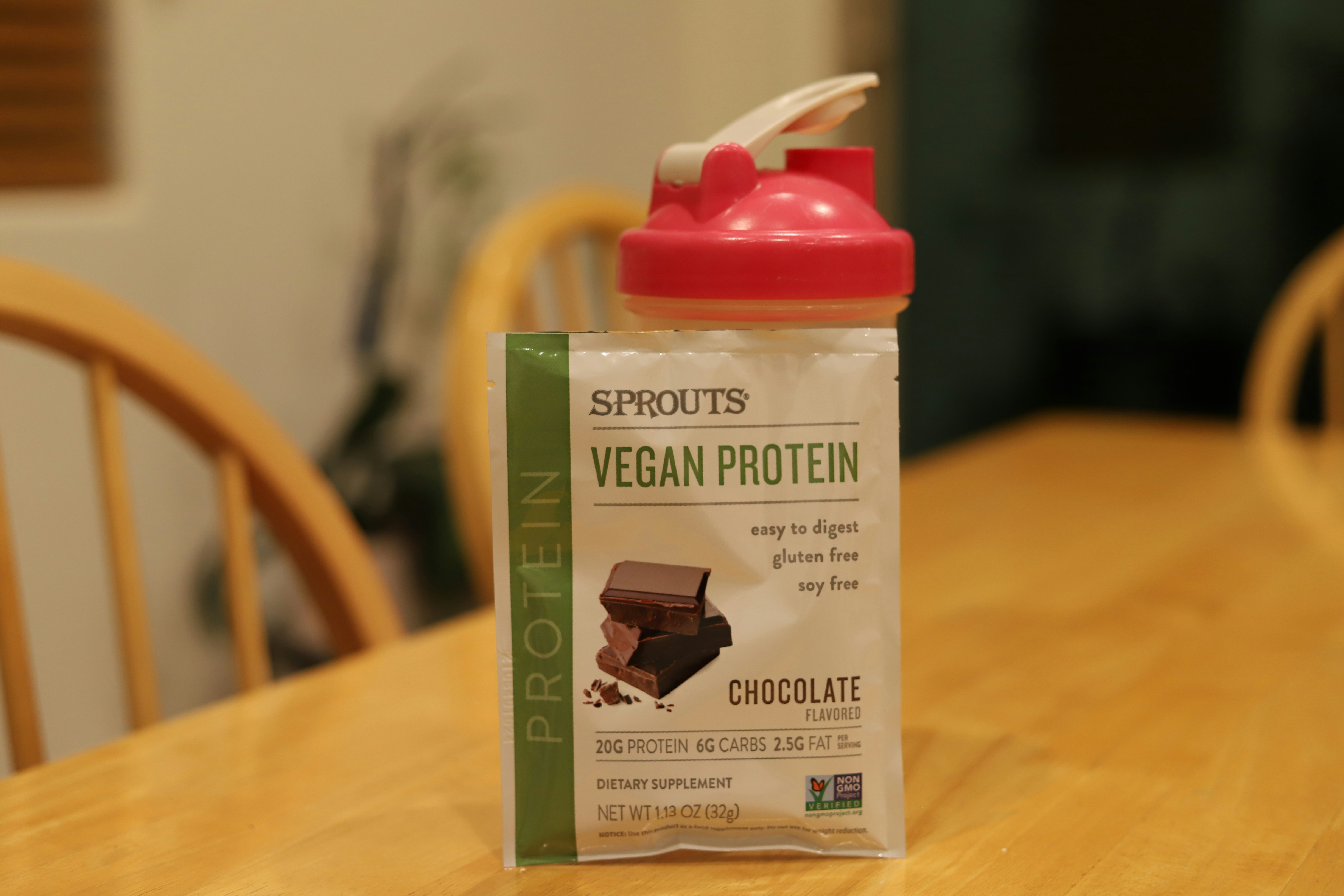
Introduction to Plant-Based Supplements
In recent years, the popularity of plant-based supplements has surged, marking a significant shift in consumer preferences toward natural health products. Plant-based supplements, derived from various plants, herbs, and other natural sources, are gaining traction as people become more health-conscious and seek alternatives to synthetic dietary aids. Unlike their synthetic counterparts, which are often chemically formulated, plant-based supplements harness the inherent properties of whole plants, offering a range of vitamins, minerals, and phytochemicals that may support overall well-being.
The growing interest in holistic health solutions aligns with a broader trend towards sustainable living and wellness, where consumers increasingly prioritize natural ingredients. This evolution is reflected in dietary habits, where plant-based diets have gained prominence for their perceived health benefits and environmental advantages. As individuals look for ways to enhance their health through natural means, plant-based supplements emerge as attractive options, appealing to those who are skeptical about additives and artificial substances found in many synthetic products.
Furthermore, these supplements encompass a wide array of products, including herbal extracts, superfoods, vitamins sourced from plants, and botanical blends. Their appeal lies in the belief that nature holds powerful compounds that can aid in nutrition and health. Consumers are drawn to the idea that these natural alternatives may provide effective solutions for common health concerns, from boosting immunity to enhancing energy levels.
As this trend continues to evolve, it is essential for consumers to critically assess the efficacy of plant-based supplements compared to their synthetic equivalents. Understanding the differences in formulation, sourcing, and potential benefits will enable individuals to make informed decisions about incorporating these products into their health regimens. The quest for natural, plant-derived solutions is on the rise, ushering in a new era of health and wellness.
The Science Behind Plant-Based Supplements
The exploration of plant-based supplements is grounded in a multitude of scientific studies that provide insight into their efficacy and biological interactions within the human body. Many plant-based supplements are derived from herbs, seeds, fruits, and vegetables, and they are often touted for their potential health benefits, such as anti-inflammatory, antioxidant, and immune-boosting properties.
One prominent example is curcumin, the active component in turmeric, which has been extensively studied for its anti-inflammatory effects. A systematic review published in the Journal of Medicinal Food noted that curcumin supplementation resulted in decreased markers of inflammation and improved metabolic profiles in various populations. This highlights the absorptive potential of curcumin in human physiology, particularly when combined with black pepper, which enhances bioavailability significantly.
Similarly, omega-3 fatty acids derived from flaxseeds, chia seeds, and algae have been shown to support cardiovascular health. A meta-analysis in the American Journal of Clinical Nutrition demonstrated that regular intake of these plant-based omega-3 sources significantly reduced the risk of coronary heart disease. This is due to their role in lowering triglyceride levels and improving vascular function.
Research on adaptogenic herbs, such as Rhodiola rosea and Ashwagandha, also underlines their ability to enhance the body’s adaptive response to stress. A randomized clinical trial published in the Journal of Alternative and Complementary Medicine found that participants taking ashwagandha experienced reduced anxiety and improved stress resilience compared to a placebo group, thus illustrating practical applications of plant-based supplements in mental health.
It is essential, however, to discern the scientific backing of these supplements. While many studies show beneficial effects, it is crucial to examine the sample size, methodology, and potential conflicts of interest in the research. Furthermore, the individual absorption and metabolism of these compounds can vary widely, implying that what works for one person may not necessarily be effective for another. Thus, ongoing research is pivotal in distinguishing between what is scientifically validated and what remains speculative in the realm of plant-based supplementation.
Common Plant-Based Supplements: Benefits and Uses
In recent years, plant-based supplements have gained significant traction as individuals seek natural alternatives to improve their health and well-being. Among the most widely recognized supplements are turmeric, ashwagandha, and spirulina, each offering distinct benefits and applications worth exploring.
Turmeric, a brightly colored spice derived from the Curcuma longa plant, contains active compounds like curcumin, known for its anti-inflammatory and antioxidant properties. Turmeric is traditionally used in Ayurvedic medicine and is commonly recommended for individuals experiencing joint pain or seeking to enhance their overall immune function. Additionally, its potential role in cognitive support is gaining attention, making it a popular choice for those striving to maintain brain health.
Another notable supplement is ashwagandha, an adaptogenic herb used for centuries in traditional Ayurvedic practices. Ashwagandha is best known for its stress-relieving properties and is commonly taken to help manage anxiety, improve sleep quality, and enhance overall well-being. It is particularly beneficial for individuals leading high-stress lifestyles or those seeking natural ways to bolster their resilience against stressors.
Spirulina, a blue-green algae, is rich in protein, vitamins, and minerals, making it an excellent addition to a balanced diet. Often marketed as a superfood, spirulina is noted for its potential to boost energy levels and support immune function. It is recommended for athletes and individuals seeking nutrient-dense food sources. Furthermore, its antioxidant properties may contribute to improved cardiovascular health.
In addition to the aforementioned supplements, other plant-based options like ginger, garlic, and green tea extract also provide a range of health benefits. It is essential for consumers to evaluate which plant-based supplements align best with their specific health needs and lifestyle. Many individuals may find that integrating these natural remedies can complement their wellness routines effectively.
Identifying Effective Supplements vs. Marketing Hype
The burgeoning market of plant-based supplements has resulted in a plethora of options for consumers. However, distinguishing between genuinely effective supplements and those that are merely products of marketing hype is crucial. A number of red flags can help consumers navigate this complex landscape. One significant warning sign is the presence of exaggerated claims. Products that promise miraculous results in a short period often warrant skepticism, as most effective supplements require consistent use and a holistic approach to health.
Moreover, consumers should be wary of “quick fixes” and supplements that claim to be a substitute for a balanced diet or established medications. The efficacy of plant-based supplements can vary significantly based on individual health conditions, biological responses, and existing dietary habits. When assessing a product, it is essential to consider whether the claims are supported by scientific research. Trusted supplements often cite clinical studies or research papers in reputable journals to substantiate their effectiveness, while products lacking this evidence should be approached with caution.
Research plays a vital role in distinguishing effective supplements from those that are overhyped. Consumers can take advantage of various resources, including peer-reviewed studies, consumer reviews, and certifications from regulatory bodies. Engaging with authoritative nutrition websites and consulting healthcare professionals can assist in evaluating the legitimacy of a supplement. Additionally, it is advisable to investigate the transparency of the manufacturer regarding ingredients and sourcing practices, as reputable companies prioritize quality and sustainability.
Ultimately, being an informed consumer is key to navigating the supplement market. By recognizing red flags such as exaggerated claims and conducting thorough research, individuals can make educated decisions about the plant-based supplements they choose to incorporate into their health regimens.
Potential Risks and Side Effects of Plant-Based Supplements
While plant-based supplements are often marketed as natural and safe alternatives to synthetic products, it is crucial for consumers to be aware of potential risks and side effects associated with their use. While many individuals may derive health benefits from these supplements, they are not devoid of adverse effects or interactions with other medications. Therefore, thorough consideration and discussion with a healthcare professional are paramount, particularly for individuals with pre-existing health conditions, pregnant or nursing women, and those taking prescribed medications.
One of the primary concerns is the variability in the quality and concentration of active ingredients in plant-based supplements. Unlike pharmaceutical drugs, which undergo rigorous testing and regulation, many supplements do not have the same level of oversight. This may lead to inconsistent dosages and potential contamination with harmful substances, such as heavy metals or pesticides, which could pose serious health risks.
Furthermore, certain plant-based supplements can interact negatively with conventional medications, thereby diminishing their effectiveness or amplifying side effects. For example, St. John’s wort, commonly used for its mood-enhancing properties, can interfere with the metabolism of various drugs, including antidepressants and blood thinners. Another commonly used supplement, ginkgo biloba, may increase the risk of bleeding, especially when taken alongside blood-thinning medications.
Additionally, some individuals may experience allergic reactions to specific plant compounds. Symptoms can range from mild gastrointestinal disturbances to severe allergic responses. It is crucial for users to monitor their body’s reactions upon starting new supplements and consult a healthcare provider if any adverse effects appear. The importance of responsible supplementation cannot be overstated, as informed choices can help mitigate risks and enhance the benefits of plant-based alternatives.
Personalizing Supplement Choices: What to Consider
Choosing the right plant-based supplements requires a nuanced understanding of one’s individual health needs and lifestyle. Each person’s unique dietary habits, health goals, and existing health conditions play a significant role in tailoring supplement choices effectively. To begin, it is crucial to assess your current diet and identify any nutritional gaps. For example, if you follow a predominantly vegan diet, you might need to focus on supplements that provide nutrients typically derived from animal sources, such as vitamin B12 or omega-3 fatty acids.
Furthermore, understanding your health goals is essential. Are you looking to boost your immune system, enhance energy levels, or support digestive health? Each of these objectives might require different supplements or formulations. For instance, if the goal is to improve gut health, one might consider probiotics or digestive enzymes, while someone seeking enhanced energy might benefit from B-vitamin complexes or adaptogenic herbs.
Additionally, existing health conditions should guide supplement selections. Individuals with certain sensitivities or allergies must be cautious; for instance, those with allergies to soy should avoid soy-based supplements. Consulting with a healthcare professional before starting any new regimen can offer valuable insights and ensure that chosen supplements are safe and effective given one’s health status.
Lastly, personal commitment and lifestyle factors should not be overlooked. The effectiveness of any supplement can often depend on a person’s adherence to the recommended intake. Considering factors such as daily routine and ease of incorporation into meals can significantly impact the likelihood of maintaining consistency. Overall, personalizing supplement choices involves a careful assessment of individual health circumstances, making informed decisions, and regularly revisiting these choices as health needs evolve.
The Role of Diet and Lifestyle in Supplementation
Diet and lifestyle significantly influence the efficacy of plant-based supplements. It is essential to understand that these supplements are not a panacea; rather, they are intended to complement a healthy and balanced diet. A well-rounded diet composed of whole foods—rich in vitamins, minerals, and antioxidants—forms the cornerstone of overall health. When the body is adequately nourished, the gaps that supplements aim to fill may be less pronounced, thereby enhancing their effectiveness.
Plant-based supplements can aid in addressing specific dietary deficiencies or health concerns, but their impact is maximized only when incorporated into a holistic approach to wellness. A diet that includes a variety of fruits, vegetables, whole grains, and lean proteins supports the body’s natural functions and can lead to improved absorption of the supplements taken. For instance, certain vitamins and minerals require the presence of fats for optimal absorption; thus, a balanced meal can improve the bioavailability of nutrients found in plant-based supplements.
Moreover, lifestyle factors such as stress management, physical activity, and sleep hygiene play crucial roles in health and well-being. Chronic stress can affect nutrient absorption and lead to imbalances that supplements alone cannot resolve. Regular exercise not only supports metabolic health but also enhances circulation, which can aid in the distribution and utilization of beneficial compounds found in plant-based supplements. Additionally, quality sleep is essential for recovery and overall health, directly influencing how the body utilizes nutrients. Thus, supplementation should be viewed as part of a broader lifestyle strategy focused on achieving optimal health.
In light of these considerations, it is clear that a comprehensive approach, incorporating a nutritious diet and healthy lifestyle choices, is vital for maximizing the benefits of plant-based supplements. Through this synergy, individuals can achieve enhanced health outcomes and well-being.
Expert Opinions: What Health Professionals Say
In the landscape of nutrition and wellness, plant-based supplements are increasingly popular among consumers seeking alternatives to traditional health solutions. Health professionals, particularly nutritionists, dietitians, and herbalists, are often at the forefront of assessing the efficacy and safety of these products. Their insights form a valuable resource for those considering integrating plant-based supplements into their routines.
Nutritionists emphasize the importance of a balanced diet first and foremost. They argue that while plant-based supplements can provide a convenient way to deliver certain nutrients, they should not replace whole foods. Many nutritionists advocate for a diet rich in fruits, vegetables, whole grains, and legumes, as these foods offer a plethora of vitamins, minerals, and fiber that supplements often lack. However, they acknowledge the benefits of specific plant-based supplements, such as omega-3 fatty acids derived from algae for individuals who might not consume fish.
Dieteticians, who focus on clinical applications of nutrition, often share similar views. They underscore the need for scientific evidence when recommending plant-based supplements. Certain supplements, like turmeric and ginger, have shown promise in inflammation reduction and digestive support, yet dietitians caution that the effects can vary significantly among individuals. They recommend consulting with a health professional before starting any supplement regimen to ensure it aligns with personal health goals and medical conditions.
Herbalists bring a different perspective, frequently drawing on traditional practices and anecdotal evidence. They are advocates for a holistic approach to health and firmly believe in the potential of plant-based supplements. Many herbalists recommend adaptogens, such as ashwagandha and Rhodiola rosea, to help the body manage stress. However, they also advise caution, particularly regarding formulation quality and the possibility of interactions with medications. This highlights the importance of choosing reputable brands and understanding that efficacy can depend on individual health contexts.
Conclusion: Making Informed Choices
In the exploration of plant-based supplements, it is essential to underscore the importance of informed decision-making. Throughout this blog post, we have discussed various plant-based supplements, their potential benefits, and the skepticism surrounding their effectiveness. As consumers navigate this expanding market, critical thinking becomes an invaluable tool.
One of the key takeaways is that while many plant-based supplements claim to provide health benefits, not all are backed by sufficient scientific evidence. It is crucial to approach these products with a discerning mind, looking beyond marketing hype and assessing credible research to determine their efficacy. Additionally, understanding the potential side effects and interactions with other medications can significantly impact personal health outcomes.
Moreover, individual health considerations play a pivotal role in supplement choice. What works for one person may not be suitable for another, highlighting the necessity for personalized health strategies. Consulting with healthcare professionals before incorporating plant-based supplements into one’s routine is advisable to ensure a well-rounded approach to health and wellness.
Ultimately, making informed choices regarding plant-based supplements requires a balanced perspective. By weighing the potential benefits against the claims made, as well as considering individual health needs and goals, consumers can navigate the complexities of the supplement landscape more effectively. The information presented in this blog aims to empower individuals to make educated decisions that align with their health objectives, fostering a more holistic and informed approach to personal well-being.