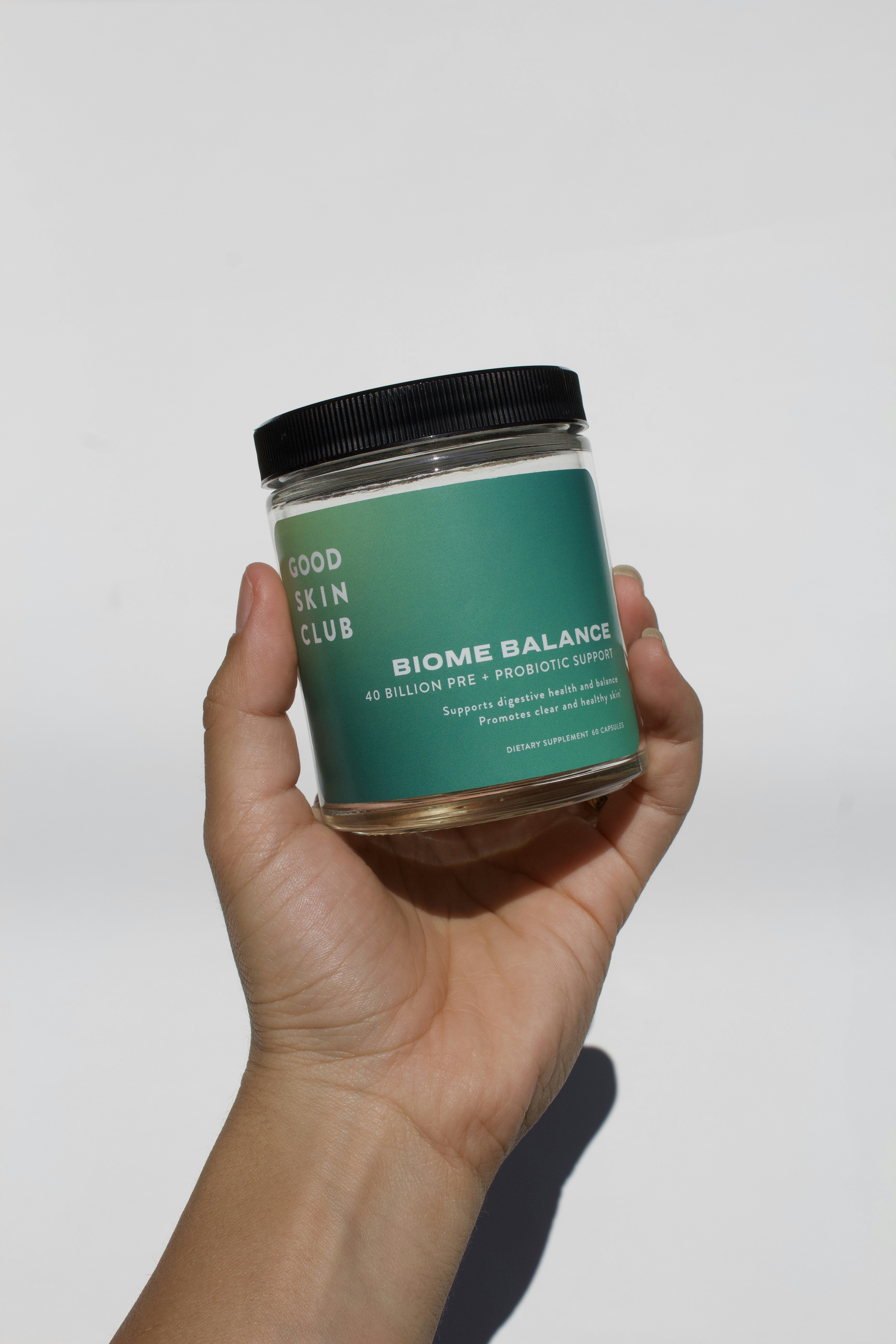
Introduction to Gut Health
Gut health has emerged as a significant area of focus in the realm of health and wellness, reflecting an increased awareness of its impact on overall well-being. The human gut is home to trillions of microorganisms, including bacteria, viruses, fungi, and other microbes, collectively known as the microbiome. This complex ecosystem plays a crucial role in various bodily functions, from digestion and nutrient absorption to immune system regulation and mental health.
Research has found that a balanced microbiome is essential for maintaining gut health, which in turn influences the body’s ability to fend off disease and irritation. An imbalance in gut bacteria, often referred to as dysbiosis, can lead to a range of health issues, including gastrointestinal disorders, obesity, diabetes, and even mood disorders. This realization has led to a growing interest within the health community about how prebiotics and probiotics can support a healthy gut.
Probiotics, which are live microorganisms found in fermented foods and supplements, contribute to gut health by enhancing the population of beneficial bacteria. Conversely, prebiotics, which are non-digestible fiber compounds found in various plant foods, serve as food for these beneficial bacteria, promoting their growth and activity. Together, they create a balanced gut environment that supports digestion, boosts immunity, and potentially enhances mood and cognitive function.
The importance of gut health and its direct connection to other aspects of health have led to innovative dietary practices and a surge in the availability of gut-friendly foods. These developments reflect a broader trend toward prioritizing gut health in everyday nutrition. As research continues to evolve, the role of the microbiome in wellness is likely to become even more prominent in health discussions and dietary recommendations.
Understanding Prebiotics
Prebiotics are specialized plant fibers that serve as food for beneficial gut bacteria. By nourishing these probiotics, prebiotics play a crucial role in maintaining a healthy gut microbiome. They are not digested by the human body but instead reach the colon intact, where they ferment and positively influence gut health. This fermentation process generates short-chain fatty acids that help maintain the integrity of the gut lining and reduce inflammation, factors crucial for optimal digestive function.
Various types of fibers are classified as prebiotics, with inulin and oligofructose being among the most well-known. These fibers are predominantly found in certain fruits, vegetables, and whole grains. For instance, foods such as onions, garlic, bananas, asparagus, and chicory root are excellent sources of inulin. Incorporating these foods into one’s diet can help promote the growth of beneficial bacteria like Lactobacillus and Bifidobacterium.
The significance of prebiotics extends beyond merely supporting gut health. By fostering a diverse gut microbiome, prebiotics can enhance various bodily functions, including immune response, metabolism, and even mental health. Research has shown that a well-balanced gut microbiome can reduce the risk of chronic diseases such as obesity, diabetes, and gastrointestinal disorders. Moreover, prebiotics have been linked to improved mineral absorption, particularly calcium and magnesium, which are vital for bone health.
In conclusion, prebiotics are essential for the growth and activity of beneficial gut bacteria. By including a variety of prebiotic-rich foods in our diets, we can significantly promote gut health and overall well-being. Understanding the types of fibers that act as prebiotics and their food sources equips individuals with the knowledge needed to make informed dietary choices that support their health goals.
Understanding Probiotics
Probiotics are live microorganisms that play a critical role in maintaining gut health. These beneficial bacteria are often referred to as “good” bacteria due to their ability to balance the microbiome, a complex community of microorganisms living in the digestive tract. When the microbiome is in harmony, it supports various bodily functions, particularly digestion and the immune system. Probiotics can reduce the likelihood of gastrointestinal disorders, improve nutrient absorption, and even enhance mental well-being.
Among the many strains of probiotics, the most commonly studied are Lactobacillus and Bifidobacterium. Lactobacillus species, found in fermented foods such as yogurt and sauerkraut, are known for their ability to convert lactose into lactic acid, making dairy products easier to digest for lactose-intolerant individuals. Bifidobacterium, which can be found in foods like kefir and kimchi, contributes to the modulation of inflammation and supports the maintenance of intestinal barrier integrity. Each strain has unique benefits and may target specific health issues, emphasizing the importance of variety in probiotic intake.
Natural sources of probiotics can be easily incorporated into the diet. Fermented foods, including yogurt, kefir, sauerkraut, kimchi, and miso, are excellent options. Probiotic supplements are also available, providing concentrated doses of beneficial bacteria. However, it is essential to consult with a healthcare professional before starting any new supplement, to ensure the strains selected align with individual health needs.
Incorporating a diverse array of probiotics from both food and supplements can significantly contribute to gut health, promoting a balanced microbiome. This holistic approach not only supports digestive health but also enhances overall well-being, illustrating the importance of maintaining a healthy gut flora through dietary choices.
The Benefits of Prebiotics
Prebiotics are non-digestible food components that play a crucial role in gut health by stimulating the growth and activity of beneficial gut bacteria. One of the primary benefits of consuming prebiotics is improved digestion. Prebiotics serve as food for probiotics, the ‘good’ bacteria that support a healthy gut microbiome. A thriving microbiome is essential for effective digestion, which can help alleviate common gastrointestinal issues such as bloating, gas, and irregular bowel movements. Studies show that individuals who incorporate prebiotic-rich foods into their diets often experience fewer digestive complications, highlighting their significance in promoting overall digestive health.
In addition to enhancing digestion, prebiotics have been linked to improved immune function. A healthy gut microbiome is vital for a robust immune system, as it helps to regulate immune responses and protect against infections. Research indicates that prebiotic consumption can increase the production of specific types of immune cells, thereby enhancing the body’s defense mechanisms. Foods rich in prebiotics, such as garlic, onions, and bananas, are simple additions to meals that can significantly boost one’s immune resilience.
Weight management is another area where prebiotics may offer benefits. Including prebiotic-rich foods in one’s diet can promote feelings of fullness and satisfaction, potentially leading to lower caloric intake and assisting in weight management efforts. According to studies, individuals who consume prebiotic foods report reduced appetite and increased satiety, which can be particularly beneficial for those striving to maintain or lose weight. Real-life examples include individuals who have successfully integrated prebiotic foods into their daily meals and thus observed positive changes in their weight and overall health.
Overall, these benefits underscore the importance of prebiotics in a well-balanced diet, suggesting that incorporating a variety of prebiotic sources can contribute to better digestive health, enhanced immunity, and effective weight management.
The Benefits of Probiotics
Probiotics are live microorganisms, primarily bacteria and yeast, which confer health benefits when consumed in adequate amounts. Their incorporation into daily nutrition has garnered significant attention due to the plethora of advantages they offer, particularly concerning digestive health. Numerous research studies indicate that probiotics can alleviate various digestive issues, including irritable bowel syndrome (IBS), diarrhea, and constipation. By restoring the balance of beneficial bacteria in the gut, they can enhance overall gut health and functioning.
In addition to digestive benefits, probiotics demonstrate an intriguing connection to mental health. A growing body of evidence suggests that the gut-brain axis plays a vital role in emotional regulation and cognitive functioning. Probiotics may assist in the production of neurotransmitters, including serotonin, often referred to as the “feel-good” hormone. Some studies have suggested that regular consumption of probiotic-rich foods may lead to a reduction in symptoms of anxiety and depression, making these beneficial microorganisms crucial for maintaining emotional well-being.
Moreover, probiotics are increasingly recognized for their potential to combat certain infections. They help in bolstering the immune system by promoting the production of antimicrobial substances that can inhibit the growth of harmful pathogens. For instance, research shows that probiotics can significantly reduce the incidence and duration of respiratory tract infections in both children and adults. Furthermore, specific strains of probiotics, such as Lactobacillus and Bifidobacterium, have been identified as effective in preventing antibiotic-associated diarrhea, thus highlighting their role in mitigating the negative effects of antibiotics.
In summary, incorporating probiotics into one’s diet holds promise for improving digestive health, supporting mental well-being, and fighting infections. The scientific evidence supporting these claims underscores the importance of these beneficial microorganisms in daily nutrition.
Top Prebiotic Foods to Include in Your Diet
Incorporating prebiotic foods into your diet is essential for maintaining gut health and promoting a balanced microbiome. Prebiotics are non-digestible fibers that nourish the beneficial bacteria in the gut, supporting digestive health and overall wellness. Here is a list of some of the best food sources of prebiotics, along with suggestions for their inclusion in everyday meals.
Garlic is a powerhouse of prebiotics, particularly inulin, which aids in the growth of beneficial gut bacteria. It can be easily added to various dishes, whether sautéed, roasted, or used in salad dressings. Onions, similar to garlic, are rich in inulin and can enhance the flavor profile of soups, stews, and stir-fries while acting as a prebiotic booster.
Leeks belong to the same family as garlic and onions, providing a mild flavor along with their prebiotic benefits. They can be used in soups, risottos, or as a base for various cooked dishes. Asparagus is another excellent prebiotic source, containing fructooligosaccharides. Grilled, steamed, or roasted asparagus makes for a nutritious addition to salads and pasta dishes.
Bananas, particularly when slightly under-ripe, are an accessible source of prebiotics, specifically resistant starch and fructo-oligosaccharides. They can be enjoyed as a snack, added to smoothies, or incorporated into baked goods. Finally, chicory root boasts one of the highest concentrations of inulin, making it incredibly beneficial for gut health. Chicory can be brewed as a caffeine-free coffee alternative or added to baked goods and cereals.
By including these prebiotic foods in your daily diet, you not only enhance your meals but also support your gut health effectively. Experimenting with different preparations can make it easier to enjoy these nutrient-rich foods.
Top Probiotic Foods to Include in Your Diet
Probiotics are beneficial microorganisms that contribute to the health of the gut microbiome. Incorporating probiotic-rich foods into your diet can promote digestive health, enhance immune function, and even improve mental well-being. Here are some of the top probiotic foods you should consider including in your daily meals.
Yogurt is perhaps the most well-known source of probiotics. It is produced through the fermentation of milk by specific bacteria, predominantly Lactobacillus and Bifidobacterium strains. When choosing yogurt, opt for those labeled “live and active cultures,” as these ensure that the beneficial bacteria are present in adequate amounts. Additionally, yogurt can be easily included in smoothies, breakfast bowls, or as a snack.
Kefir is a fermented milk product that contains a more diverse array of probiotics compared to yogurt. It has a tangy flavor and can be consumed on its own or used in salad dressings, smoothies, or even baked goods. For individuals with lactose intolerance, kefir may be a better alternative due to its lower lactose content.
Sauerkraut and kimchi are traditional fermented vegetables. Both are rich in probiotics due to the fermentation process involving lactic acid bacteria. Sauerkraut can be enjoyed as a side dish or topping, while kimchi, a spicy Korean variant, can enhance many dishes with its distinct flavor. Make sure to choose unpasteurized options, as pasteurization can kill beneficial bacteria.
Kombucha, a fermented tea, boasts a variety of health benefits attributed to its probiotics. This fizzy drink is available in various flavors, making it a refreshing addition to your diet. Look for brands that contain a sufficient amount of live cultures for maximum benefits.
Miso, a staple in Japanese cuisine, is a fermented soybean paste that can be used in soups, marinades, and dressings. It is not only a source of probiotics but also packed with essential nutrients. To fully enjoy its benefits, consider adding miso to dishes after cooking, to preserve the live cultures.
Incorporating these probiotic-rich foods into your diet can significantly enhance your gut health and overall well-being. Choose high-quality products, and aim to vary your sources of probiotics to enjoy a wide range of beneficial microorganisms.
Potential Risks and Considerations
While prebiotics and probiotics are often praised for their positive effects on gut health, it is essential to acknowledge that their excessive intake can lead to potential risks and side effects. A balanced approach is crucial in order to maximize the benefits while minimizing adverse reactions. In the case of prebiotics, consuming them in large quantities may result in digestive discomfort, including gas, bloating, and diarrhea. These symptoms occur as a result of the fermentation process that occurs in the gut, whereby beneficial bacteria break down these complex carbohydrates, sometimes leading to an overload that the digestive system cannot handle.
Moreover, individuals with certain health conditions or compromised immune systems should exercise caution when incorporating prebiotic and probiotic supplements into their diets. For example, those with irritable bowel syndrome (IBS) may find that increased fiber intake from prebiotics exacerbates their symptoms. Similarly, individuals who have undergone recent surgery or those with conditions such as diabetes or pancreatitis should consult healthcare professionals before introducing these supplements, as their health status may influence how their body reacts to changes in gut flora.
Probiotics, while generally safe for most people, can pose risks to individuals with weakened immune systems. These individuals may be more susceptible to infections caused by the strains of bacteria present in certain probiotic supplements. Additionally, patients receiving immunosuppressive therapy or those with active gastrointestinal diseases should be particularly cautious about consumption. Therefore, it is advisable for anyone considering prebiotic or probiotic supplementation—especially those in vulnerable health categories—to seek guidance from healthcare professionals. This ensures a personalized approach tailored to individual health needs and circumstances.
Conclusion: Embracing a Gut-Friendly Lifestyle
In light of the extensive discussion on the significance of prebiotics and probiotics, it is indispensable to acknowledge their crucial roles in maintaining and enhancing gut health. Prebiotics, typically found in fiber-rich foods such as garlic, onions, and bananas, serve as nourishment for the beneficial bacteria residing in our gut. Meanwhile, probiotics, often found in fermented foods like yogurt, kefir, and sauerkraut, contribute directly to the population of these beneficial microorganisms. The harmonious balance between prebiotics and probiotics is essential for optimizing digestive health and overall well-being.
To embrace a gut-friendly lifestyle, individuals should consider incorporating a variety of prebiotic and probiotic foods into their daily diet. Start by integrating fiber-rich fruits, vegetables, and whole grains, which can help stimulate the growth of healthy gut bacteria. Simultaneously, including fermented foods or probiotic supplements can bolster this bacteria population and contribute to improved gut flora balance.
For those embarking on this dietary journey, it is beneficial to gradually introduce these gut-friendly foods. Sudden changes can lead to digestive discomfort, so it may be wiser to increase their consumption progressively. Meal planning that prioritizes a diverse palette of prebiotics and probiotics can also aid in ensuring a balanced intake of these essential elements. Moreover, maintaining hydration and incorporating regular physical activity are vital facets to support digestive health.
In conclusion, adopting a gut-friendly approach to daily eating is not merely a trend but a profound commitment to enhancing health and wellness. By emphasizing the balance of prebiotics and probiotics within your diet, one can pave a path towards better digestive health and improved quality of life. Thus, making mindful choices today is pivotal for cultivating a healthier tomorrow.