
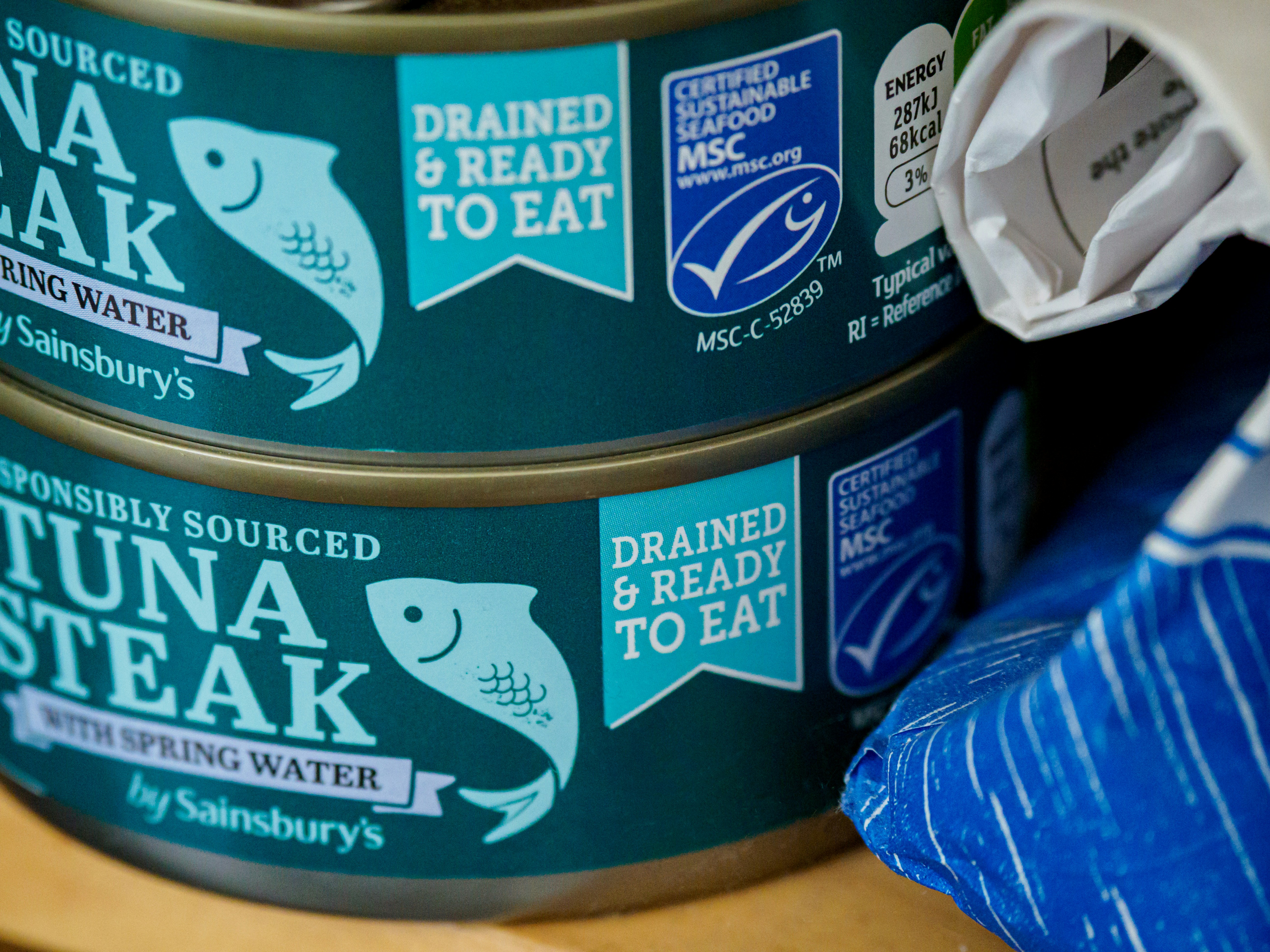
Understanding Sustainable Seafood
Sustainable seafood refers to fish and shellfish harvested through methods that maintain the health of marine ecosystems, promote biodiversity, and support the viability of fishing communities. The concept encompasses a range of factors, including environmental, economic, and social considerations, ensuring that seafood sourcing does not compromise the needs of future generations. The primary goal of sustainable seafood practices is to minimize fishing’s ecological impact while ensuring that fish populations remain stable and healthy.
On the environmental front, sustainable seafood practices emphasize the importance of fish stocks management and responsible fishing methods. Overfishing, habitat destruction, and bycatch—catching unintended species—pose significant threats to marine ecosystems. Consequently, sustainable seafood aims to utilize fishing techniques that do not deplete fish populations or damage their habitats. This can involve using nets with specific mesh sizes to limit bycatch and allowing fish to reach maturity before they are harvested.
Economically, sustainable seafood supports the long-term viability of fishing industries and ensures that communities can thrive while maintaining their cultural traditions. By prioritizing sustainable practices, local fishers can gain market access and find higher prices for their sustainably sourced products. This creates an incentive to engage in responsible fishing methods and maintain the quality of the fisheries, benefiting both producers and consumers.
Socially, sustainable seafood promotes fair labor practices and provides economic opportunities for fishing communities. Ensuring that workers receive equitable treatment and are compensated fairly for their labor reinforces the ethical foundation upon which sustainable seafood rests. Ultimately, choosing sustainable seafood options reflects conscientious consumer behavior, encouraging responsible fishing practices that protect marine life and community welfare.
The Environmental Impact of Overfishing
Overfishing has emerged as one of the most pressing threats to marine life, drastically altering the balance of marine ecosystems. This practice occurs when fish and other marine organisms are captured at a rate that exceeds their reproductive capabilities, leading to a significant decline in fish populations. According to the Food and Agriculture Organization (FAO), approximately 34% of global fish stocks are overfished, while another 60% are maximally sustainable. These alarming statistics highlight the immediate need for effective management strategies to protect vulnerable fish species and maintain biodiversity in our oceans.
The consequences of overfishing extend far beyond the depletion of specific species. One particularly concerning outcome is species extinction, which threatens the genetic diversity necessary for the resilience of marine ecosystems. Iconic species such as the Atlantic cod have faced sharp declines in population due to unsustainable fishing practices, resulting in irreversible changes to their habitats and the food web that supports them. Furthermore, the extinction of key species can lead to “trophic cascades,” where the loss of a single species disrupts the entire marine ecosystem, leading to further declines in other species that rely on it.
Additionally, overfishing contributes to habitat destruction, particularly through practices such as bottom trawling, which can devastate essential habitats like coral reefs and seagrass beds. These ecosystems are critical not only for marine life but also for human livelihoods, as they support industries such as tourism and fisheries that rely on healthy oceans. The implications of habitat destruction are profound, with potential loss of biodiversity that affects everything from fisheries to coastal protection. In conclusion, the environmental impact of overfishing poses a severe threat to marine life, ecosystems, and the communities that depend on them, necessitating urgent action to promote sustainable fishing practices.
Key Certifications for Sustainable Seafood
In the pursuit of sustainable seafood, various certifications and labels play a crucial role in guiding consumers towards eco-friendly fish options. Among these, the Marine Stewardship Council (MSC) and the Aquaculture Stewardship Council (ASC) stand out as prominent organizations committed to promoting sustainable fishing practices. These certifications ensure that the seafood in question meets strict environmental and social standards, making them reliable indicators of sustainability.
The MSC label signifies that a fishery has been assessed and found to be sustainably managed. Criteria for MSC certification include maintaining fish populations at healthy levels, minimizing environmental impact, and ensuring sustainable management practices that can adapt to changing conditions. Consumers can easily identify MSC-certified seafood by looking for the blue fish label, which is a growing symbol of environmentally responsible fishing practices.
On the other hand, the ASC focuses on farmed seafood, providing assurances that aquaculture practices are environmentally friendly and socially responsible. To earn the ASC label, producers must demonstrate that their farming operations do not harm local ecosystems and that they promote ethical treatment and fair labor practices for their workers. The ASC certification involves rigorous assessments and requires adherence to a comprehensive set of standards, making it a benchmark for responsible aquaculture. The ASC logo, resembling a green fish, can typically be found on various fish products available at grocery stores.
Beyond MSC and ASC, other notable certifications include the Friend of the Sea and the Global Aquaculture Alliance’s Best Aquaculture Practices (BAP). Consumers are encouraged to familiarize themselves with these certifications to make informed choices about their seafood purchases. By choosing products that boast such eco-friendly certifications, consumers can actively contribute to the sustainability of our oceans and waterways, ensuring that fish populations thrive for generations to come.
Choosing Eco-Friendly Fish: A Consumer Guide
Choosing eco-friendly fish options is essential for promoting sustainable seafood practices and protecting marine ecosystems. As a consumer, you play a crucial role in influencing fishing practices and the overall health of ocean environments. To make informed decisions, it is helpful to understand certain key principles when selecting sustainable fish.
First and foremost, familiarize yourself with the list of sustainable fish species. Varieties such as wild-caught Alaskan salmon, Pacific sardines, and Arctic char are recognized for their lower environmental impact and are generally considered more sustainable choices. In contrast, fish like bluefin tuna and orange roughy are often deemed unsustainable due to overfishing and harmful fishing methods. Consult resources such as the Marine Stewardship Council (MSC) or the Monterey Bay Aquarium’s Seafood Watch program, which provide updated lists of sustainable seafood options based on ecological criteria.
When it comes to purchasing eco-friendly fish, consider where you buy your seafood. Local fish markets tend to have fresher and more sustainable options compared to larger supermarket chains. Look for eateries and markets that prioritize sustainable sourcing in their supply chains. Restaurants increasingly feature eco-friendly menus that highlight responsibly sourced fish; therefore, don’t hesitate to ask servers about the sourcing practices. When shopping at supermarkets, seek out products with recognized certifications, such as the MSC label, which ensures that the fish is from a sustainable fishery.
Lastly, seasonal availability plays a vital role in choosing sustainable fish. Fish species that are in season are typically more abundant and caught using responsible methods. Being mindful of seasonal trends can help drive demand towards more environmentally friendly options. By implementing these practical tips, consumers can contribute to the preservation of our oceans and support more sustainable fishing practices.
The Role of Local and Seasonal Seafood
Choosing local and seasonal seafood is an integral component of promoting sustainable fishing practices. By prioritizing these options, consumers not only ensure fresher seafood but also contribute to various ecological and economic benefits. One of the primary advantages of selecting local seafood is its positive impact on local economies. When consumers buy from nearby fishers, they help keep money within their communities, supporting local jobs and sustaining traditional fishing practices that may otherwise face decline due to industrial competition.
Additionally, local seafood tends to have a significantly reduced carbon footprint compared to seafood that is transported over long distances. The transportation of fish often involves substantial carbon emissions; therefore, by consuming seafood that is sourced from nearby waters, consumers can consciously minimize their environmental impact. This practice aligns with an increasing awareness of the importance of reducing greenhouse gases and supporting sustainable consumption habits.
Moreover, seasonal seafood options allow consumers to consume fish that are plentiful at certain times of the year. This practice not only helps maintain marine biodiversity but also offers a wise approach to eating. Overfishing can disrupt marine ecosystems, leading to the decline of various species. By eating seafood that is in season, consumers can contribute to efforts aimed at ensuring fish populations remain stable. Resources like local seafood guides or apps can aid in identifying which species are in season and sustainable.
Incorporating local and seasonal seafood into one’s diet can start with visiting farmers’ markets or seafood cooperatives, where consumers can engage directly with fishers. Moreover, restaurants that emphasize local sourcing can be supportive of these ideals. Through these collective choices, people can participate in fostering a healthier marine environment while enjoying delicious, fresh seafood that’s beneficial both for themselves and their communities.
The Importance of Responsible Aquaculture
Responsible aquaculture plays a crucial role in ensuring the sustainability of seafood sources in today’s increasing demand for fish products. As global fish consumption continues to rise, the pressure on wild fish populations intensifies, causing significant environmental concern. Implementing sustainable aquaculture practices allows farmers to produce seafood without depleting ocean resources, thereby contributing to ecological balance.
There are various types of aquaculture, including extensive, semi-intensive, and intensive systems. Extensive aquaculture relies on natural water bodies with minimal feed inputs, while semi-intensive and intensive systems use controlled environments to maximize yield. Although intensive methods can potentially lead to overuse of resources and pollution if not managed properly, when executed responsibly, they can achieve efficient production levels while minimizing environmental impact. Sustainable aquaculture practices employ techniques such as rotational farming, polyculture, and integrated pest management, which not only produce seafood in a more eco-friendly way but also enhance the resilience of farming systems.
The benefits of sustainable aquaculture extend beyond environmental protection. Responsible practices help ensure that fish are farmed under humane conditions, reducing the risk of disease transmission and improving overall quality. Additionally, supporting these methods can provide economic advantages for local communities, as they often promote job creation in rural areas and support local economies. By choosing responsibly farmed seafood, consumers can encourage fisheries and aquaculture producers to adopt sustainable methods and thus ensure long-term viability of marine and freshwater ecosystems.
As consumers, it is essential to educate ourselves on which seafood options are sourced from responsible aquaculture. Resources such as certification programs and sustainable seafood guides can help individuals make informed choices, ultimately leading to a collective movement towards more sustainable fishing and farming practices. Making conscious decisions regarding seafood choices fosters a healthier planet while meeting the growing demand for fish products.
Culinary Tips for Cooking Sustainable Seafood
Cooking sustainable seafood is not just an environmentally conscious choice; it also offers a delightful culinary experience. To begin with, when selecting sustainable fish, consider the freshness of the catch. Opting for fish that is in season and locally sourced can significantly enhance both the flavor and sustainability of your meal. Local seafood markets often provide insights into the best options available, ensuring you make informed decisions.
Preparation is crucial when it comes to cooking sustainable seafood. For instance, cleaning and gutting fish can seem daunting, but with practice, it becomes a seamless process. Always ensure your seafood is properly stored in the refrigerator until you are ready to cook. For certain fish types, marinating just before cooking can enhance flavor profiles—consider using citrus juices, garlic, or herbs to elevate the natural flavors. Be mindful that delicate species such as sole or cod require less intensive marinating.
When it comes to cooking methods, grilling, baking, and poaching are recommended as they tend to preserve the natural moisture and flavor of the fish. Grilling can impart a smoky taste that enhances the fins and scales of heartier fish like salmon or tuna. Conversely, poaching is ideal for tender varieties such as halibut; the gentle heat ensures the fish remains succulent. Additionally, steam cooking is a method that retains flavors while also being health-conscious.
Flavor pairings are another significant aspect of preparing sustainable seafood. Citrusy accompaniments like lemon or lime are quintessential in cutting through the richness of fattier fish. For white fish, pairing with herbs such as dill or parsley adds a fresh twist. Complement your dish with seasonal vegetables to enhance nutritional value while maintaining a cohesive flavor profile. By employing these culinary tips, you can elevate your dining experience while supporting eco-friendly practices. Sustainable seafood not only satisfies the palate but also aligns with responsible consumption.
Advocacy and Supporting Sustainable Fisheries
Advocacy plays a crucial role in promoting sustainable fisheries and influencing policies related to seafood consumption. Individuals are empowered to make a difference through a variety of means, whether it be by joining organizations dedicated to marine conservation or participating in local advocacy efforts. Supporting these initiatives not only raises awareness about the importance of sustainable fishing practices but also helps create a collective voice that can impact decision-making on various levels, from local governments to international bodies.
A key way individuals can participate in this advocacy is by educating themselves and others about the issues surrounding overfishing and the depletion of marine ecosystems. Sharing this knowledge within social circles can foster a community that is more conscious of its seafood choices. By leveraging social media platforms, individuals can promote sustainable seafood sources and initiatives, spreading the message about the importance of selecting eco-friendly fish options.
Furthermore, participating in sustainability initiatives such as beach clean-ups or community workshops not only supports local conservation efforts but also reinforces the idea that everyone has a role in protecting our oceans. Engaging with local fisheries that prioritize sustainability can also make a significant difference, as consumers’ choices influence market demands. By supporting these fisheries, consumers can help shift the practices of the fishing industry toward more eco-friendly approaches.
On a global scale, individuals can join or support organizations focused on sustainable fishing policies. These organizations often engage in lobbying efforts, working with governments and stakeholders to implement regulations that safeguard marine environments. Collectively, these actions contribute to a significant movement for sustainable fisheries, helping to ensure that our oceans remain healthy and vibrant for future generations while maintaining the delicate balance of marine ecosystems.
The Future of Sustainable Seafood
The fishing industry is poised at a critical juncture, where various dynamic factors intertwine to shape the future of sustainable seafood. As consumer awareness regarding environmental issues grows, there is a pronounced demand for eco-friendly fish options. This shift in consumer behavior is pushing businesses to prioritize sustainability in sourcing practices, fostering an environment where responsible fishing is not just encouraged but required. The convergence of consumer demand, technological innovation, and changing policies is leading to significant transformations in the seafood sector.
With advancements in technology, the fishing industry is beginning to adopt smart solutions that enhance sustainability. For instance, fish tracking systems utilizing satellite technology can provide real-time data on fish populations and their habitats. Such innovations enable fishermen to avoid overfishing in critical areas, thus contributing to the conservation of marine ecosystems. Additionally, improvements in aquaculture—through techniques such as recirculating aquaculture systems—offer promising alternatives to traditional fishing methods, allowing for increased fish production without exerting excessive pressure on wild stocks.
The role of legislation in promoting sustainable seafood cannot be overlooked. Clear and enforceable policies, such as catch limits and protected marine areas, can significantly impact the fishing industry’s approach toward sustainability. Governments and organizations are increasingly working together to implement regulations that both protect aquatic resources and promote responsible fishing practices. Collaborative efforts among stakeholders—including policymakers, environmentalists, and the fishing community—will play a pivotal role in driving the adoption of sustainable practices.
Despite these positive developments, challenges remain. Climate change, pollution, and habitat depletion continue to threaten fish populations and their ecosystems. It is imperative that the fishing industry remains vigilant and adaptive to these issues, ensuring that sustainable seafood practices evolve in response to projected environmental changes. As we look ahead, it is clear that a concerted effort involving technology, consumer advocacy, and robust policy frameworks will be crucial in achieving a sustainable future for seafood.