
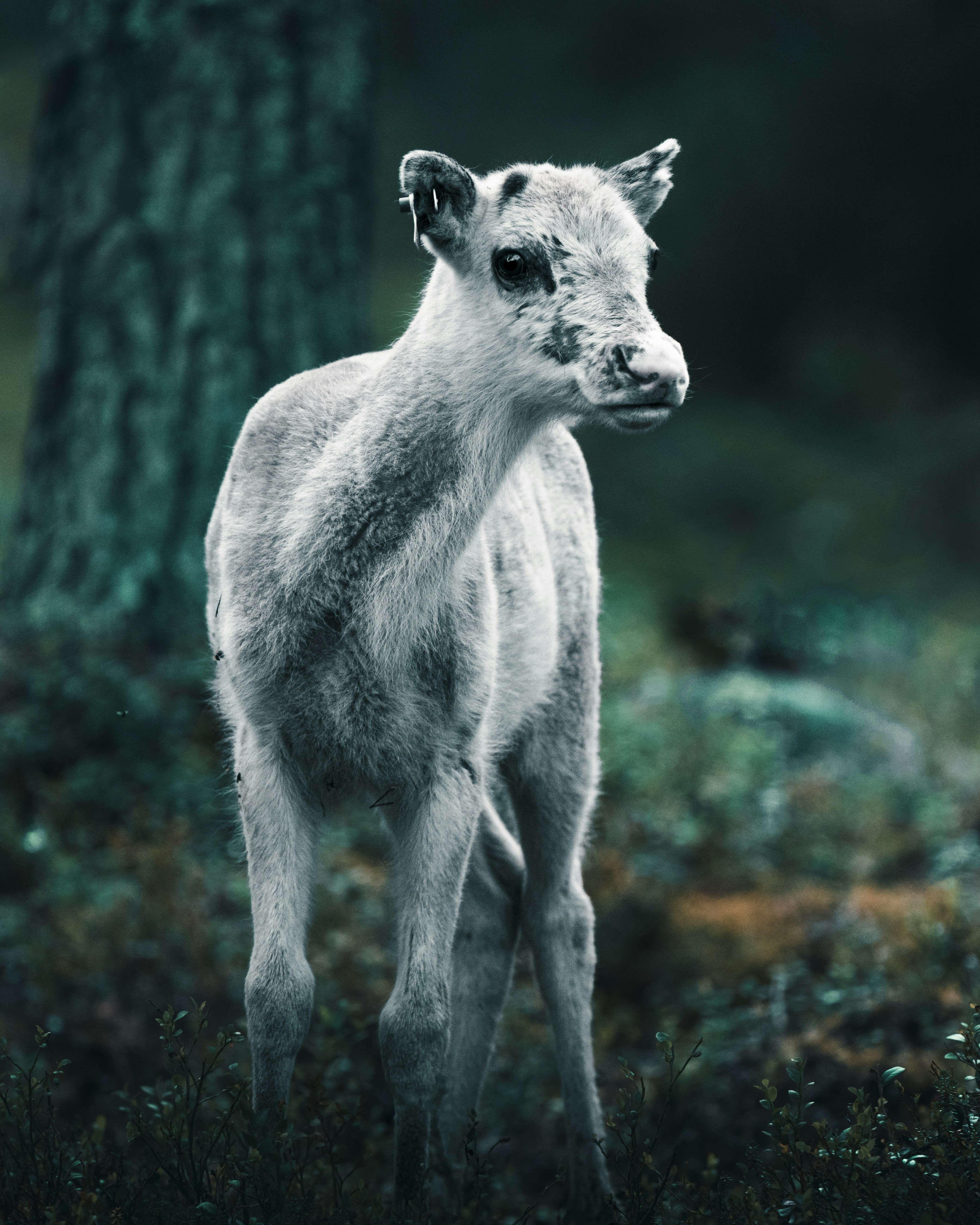
Introduction to the Fascination with Baby Reindeer
The animal kingdom often captivates human interest, but few creatures have garnered as much attention as baby reindeer. This fascination appears to be growing exponentially, driven by various factors including their endearing appearance, cultural significance, and the role they play in wildlife conservation. Social media platforms have become a primary venue for sharing images and videos of these charming young reindeer, leading to a surge in their popularity. The cuteness factor cannot be overstated; clips of playful calves have gone viral, charming viewers worldwide and prompting discussions about these remarkable animals.
In addition to their audiovisual appeal, baby reindeer, or calves, represent a significant aspect of indigenous cultures, particularly in the Arctic regions. For the Sámi people, for instance, reindeer are not merely animals; they are integral to their way of life, culture, and economy. The connection these communities have with reindeer enriches our understanding of animal husbandry, tradition, and resource sustainability. This perspective highlights the importance of respecting and preserving wildlife and their habitats.
Furthermore, the growing awareness of wildlife conservation has drawn attention to the plight of reindeer populations, which are facing various threats, including climate change and habitat loss. Baby reindeer act as ambassadors for their species, bringing awareness to the broader issues of environmental stewardship and biodiversity preservation. Advocates for wildlife often use the charm of baby reindeer to engage the public emotionally, encouraging them to take action in favor of conservation efforts.
The phenomenon surrounding baby reindeer is thus not merely a trend; it encompasses a multitude of layers, from cultural connections and environmental initiatives to media representation and public engagement. This multifaceted interest sets the stage for further exploration of why baby reindeer carry such appeal in contemporary discussions around wildlife and conservation.
Anatomy of a Baby Reindeer: Characteristics and Behaviors
The anatomy of baby reindeer, also known as calves, showcases unique characteristics that enable them to thrive in harsh cold environments. At birth, these calves are typically small, weighing between 5 to 10 kilograms, and possess a thick, warm coat of fur. This insulation is crucial for survival in their natural habitat, as temperatures can plummet significantly. Their fur’s adaptability allows for effective heat retention, while also offering some waterproofing, which is vital for coping with snowy conditions.
In their early days, baby reindeer are distinguished by their large, expressive eyes that help them navigate their surroundings. These eyes are adapted for low light conditions, enabling the calves to remain active during the twilight hours that are common in Arctic regions. Their long legs and hooves, which are wider than those of adult reindeer, allow the young animals to traverse snow-covered terrains more efficiently. This anatomical feature not only enhances their mobility but also reduces the likelihood of sinking into the snow, aiding them in foraging for food.
Baby reindeer exhibit a range of behaviors that reflect their playful nature. They are notably social animals, frequently engaging in games with their siblings that serve both a recreational purpose and a means of developing essential survival skills. Such interactions also facilitate communication with their mothers, as calves learn to vocalize through a series of soft bleats. These vocalizations evolve into more complex sounds as they mature, enhancing their social structures within herds.
The bond between a mother reindeer and her calf is of paramount importance, as it involves consistent communication, nurturing behaviors, and protection from potential predators. This unique blend of physical attributes and innate behaviors not only captivates audiences worldwide but also ensures the continued survival of these remarkable animals in their natural environments.
Cultural Significance of Reindeer in Different Societies
Reindeer (Rangifer tarandus) hold a profound cultural significance across various societies, particularly among Indigenous peoples in the Arctic regions, such as the Sámi in Scandinavia and the Nenets in Russia. These majestic animals are not only integral to the livelihood of these communities but also serve as symbols of their cultural identity. In many instances, reindeer herding forms the backbone of the economy, providing food, clothing, and materials for shelter. The close relationship between humans and reindeer emphasizes the importance of sustainability and respect for the natural environment.
Baby reindeer, often referred to as calves, play an essential role in both the ecological and cultural landscapes. They are not merely viewed as livestock but as central figures in traditional stories and customs. For instance, many Indigenous narratives revolve around the life cycles of reindeer, depicting their migration patterns and the challenges faced in harsh climates. These stories often contain moral lessons about resilience and harmony with nature, underscoring the significance of nurturing the bond between humans and reindeer. In some cultures, the arrival of a calf is celebrated with community festivals, showcasing the integral role these animals occupy in social rituals.
Furthermore, the economic practices surrounding reindeer herding are deeply woven into the fabric of these cultures. From traditional hunting and herding techniques to innovative practices that respect modern environmental standards, the treatment of reindeer, especially calves, is often viewed as a reflection of societal values. This relationship between people and reindeer emphasizes the cultural reverence toward these creatures, and as discussions around environmental impact grow, the role of reindeer in these societies becomes an increasingly pertinent topic. The rising interest in baby reindeer highlights not only their ecological importance but also the profound cultural narratives they represent across different communities.
Social Media Sensation: Baby Reindeer in the Spotlight
In recent years, baby reindeer have surged in popularity across various social media platforms, capturing hearts and drawing significant attention. The adorable appearance of these young animals, often characterized by their big eyes and fluffy antlers, has proven to be a winning formula for virality. Viral videos showcasing their playful antics have been widely shared, particularly on platforms such as TikTok and Instagram, where the casual format allows for spontaneous content to spread quickly.
Hashtags like #BabyReindeer and #ReindeerLove have emerged, enabling users to easily find and share content related to these charming creatures. These tags foster a sense of community among enthusiasts, providing a space for individuals to connect and share their experiences or admiration for baby reindeer. Consequently, many photographers and animal enthusiasts have created dedicated Instagram accounts that focus solely on these animals. By curating and posting high-quality images and videos, these accounts have garnered thousands of followers, further fueling the fascination.
The emotional connection that viewers develop with baby reindeer plays a major role in their continued popularity. Watching these young animals frolic in their natural habitat evokes feelings of joy and nostalgia, bridging generational gaps as they resonate with people from diverse backgrounds. Users frequently express their feelings through comments, sharing personal anecdotes, and even childhood memories associated with reindeer. This level of engagement is crucial in the digital landscape, where audience interaction is often indicative of a trend’s sustainability.
Moreover, the rise of baby reindeer on social media has initiated a broader conversation surrounding wildlife preservation and the importance of protecting these majestic creatures and their habitats. As interest in baby reindeer continues to swell, it is clear that social media has played a significant role in keeping these adorable animals front and center in public discourse.
Conservation Efforts and the Future of Reindeer Populations
The conservation of reindeer populations is critical in light of various challenges they face, notably climate change, habitat loss, and declining food sources. Specifically, efforts to protect baby reindeer have gained traction as these young animals are fundamental to sustaining their overall numbers. Initiatives span from community-based programs to large-scale protective measures that address the immediate threats facing these creatures.
In many regions, local communities are actively engaged in reindeer conservation efforts, working closely with scientists and wildlife organizations. Such collaborations often focus on implementing sustainable practices that allow traditional herding lifestyles to coexist with modern conservation needs. They emphasize the importance of protecting the calving grounds, where baby reindeer are born, since these areas are crucial for the survival of the young fauna. Improved land management strategies have been introduced to maintain these vital habitats, thereby supporting the reindeeer’s life cycle.
Despite these efforts, climate change remains a severe concern that exacerbates existing challenges to reindeer populations. As temperatures rise, their natural habitats face alteration; this can lead to shifts in vegetation patterns and an increase in diseases that directly impact baby reindeer’s survival. Importantly, conservationists highlight that the effects of climate change are not uniform and can disproportionately impact younger reindeer who depend on specific seasonal patterns for nourishment.
Further research and global cooperation are necessary to mitigate these adversities. Effective policy development must include climate considerations, addressing how changes can threaten food security and habitats for reindeer. It is essential to protect baby reindeer as they embody hope for the species’ future, emphasizing the significance of sustained conservation initiatives. By doing so, we play a vital role in maintaining not only reindeer populations but also the delicate ecosystems in which they exist.
The Economic Impact of Reindeer Farming and Tourism
Reindeer farming has emerged as a significant economic driver in various regions, particularly in northern climates where these animals are native. The growing interest in baby reindeer, known for their cuteness and appeal, has catalyzed developments in both reindeer farming and related tourism sectors. These activities provide livelihoods for local communities while also promoting sustainable practices that benefit both the environment and the economy.
The reindeer farming industry contributes not only to local economies through direct sales of reindeer products, such as meat and hides, but also through secondary economic activities. Local vendors, artisans, and service providers benefit from the influx of tourists attracted by the charm of baby reindeer. This surge in interest fosters a diversified economy, making communities less reliant on traditional industries, which can be volatile and unsustainable. The seasonal nature of tourism also encourages local businesses to innovate and develop unique experiences, such as guided tours or interactive farming experiences, thereby enhancing economic resilience.
Moreover, the emphasis on sustainable practices in reindeer farming is gaining traction. Many farmers are adopting methods that ensure the well-being of the animals and their habitats, thus contributing to ecotourism. Tourists increasingly seek authentic experiences that allow them to connect with nature and local cultures. The rising trend of eco-conscious tourism links baby reindeer to broader environmental conservation efforts, making it essential for farmers and tour operators to maintain high ethical standards.
In conclusion, the economic impact of reindeer farming and tourism, particularly focused on baby reindeer, is substantial. It promotes local livelihoods while championing sustainability, demonstrating that economic growth and environmental stewardship can coexist harmoniously. This multifaceted approach benefits not only local communities but also enhances the overall attractiveness of regions that embrace these practices.
Adoption and Care: The Role of Baby Reindeer in Wildlife Rehabilitation
The adoption and care of baby reindeer (Rangifer tarandus) play a vital role in wildlife rehabilitation efforts, particularly for those separated from their herds. This process requires both understanding and expertise, as young reindeer are highly susceptible to stress and health complications when removed from their natural environments. Wildlife experts emphasize the importance of a nurturing approach in the initial stages of rehabilitation, which includes providing a safe atmosphere and food that mimics their natural diet, primarily consisting of lichen, grasses, and shrubs.
One major challenge in rehabilitating baby reindeer is ensuring that they develop the necessary social skills to thrive in a wild setting. Young reindeer learn critical behaviors from their mothers and the herd, making it crucial to simulate this environment as closely as possible during their time in rehabilitation. This often involves pairing them with other young reindeer or experienced caregivers who can provide them with companionship and guidance. Wildlife specialists frequently report that engaging these animals in group settings not only reduces stress levels but also promotes healthy development and establishes proper social interactions.
Reintegration into the wild is another significant aspect of the rehabilitation process. Experts emphasize that successful adoption and care involve gradual acclimatization to natural habitats. This is typically achieved through staged releases, wherein the young animals first explore areas close to the rehabilitation center before being moved to more remote settings. Caregivers meticulously monitor their progress, ensuring that the reindeer are adapting well and displaying normal foraging and behavioral patterns. By focusing on both the psychological and physical needs of baby reindeer, rehabilitation efforts enhance the likelihood of their successful reintegration into the wild, promoting the long-term survival of these remarkable creatures.
Cute Overload: The Psychology Behind Our Love for Baby Animals
The phenomenon of humans experiencing strong affection for baby animals, such as baby reindeer, can be largely attributed to various psychological factors rooted in our evolutionary biology. Research indicates that humans are instinctively drawn to traits often associated with young animals, including features like large eyes, round faces, and soft fur. These characteristics trigger a release of oxytocin, commonly referred to as the “love hormone,” which plays a significant role in social bonding and nurturing behaviors.
Numerous scientific studies have demonstrated that the perception of cuteness elicits a positive emotional response, prompting individuals to express nurturing instincts. This biologically driven response serves an adaptive purpose; it encourages caretaking behaviors that ensure the survival of offspring. In the case of baby reindeer, their endearing physical features resonate with individuals across age groups, evoking feelings of warmth, joy, and a desire to protect.
The appeal of baby animals extends beyond innate biological responses. Cultural factors also play an essential role in amplifying our fascination with them. Social media platforms are inundated with images and videos showcasing the playful antics of baby reindeer, which further cultivate a collective appreciation for such creatures. The viral nature of these posts fosters a sense of community among animal lovers, generating discussions and spreading awareness about the conservation of these adorable beings.
Moreover, studies have shown that engaging with cute animals, including baby reindeer, can have therapeutic effects, reducing stress and anxiety levels. This emotional connection is particularly important in today’s fast-paced society, where individuals often seek solace in the simple joy that comes from witnessing the innocence of young animals. Thus, the blend of biological and cultural factors fosters an enduring love for baby reindeer and other young animals, highlighting their significance in our psychological well-being.
Conclusion: Why Baby Reindeer Capture Our Hearts
Throughout this blog post, we have explored the various aspects that contribute to the growing fascination with baby reindeer. These adorable creatures, known for their endearing appearance and playful behavior, evoke feelings of joy and curiosity among individuals from all walks of life. Their unique characteristics not only charm us but also serve as a reminder of the complexities of wildlife and the importance of biodiversity in our ecosystems.
One key point discussed is the impact of social media in amplifying the visibility of baby reindeer. Images and videos showcasing these young animals have gone viral, allowing a wider audience to appreciate their beauty and innocence. This online presence fosters a deeper connection between humans and wildlife, reminding us of the critical role these species play in our environment. Moreover, awareness generated from such platforms can lead to significant support for wildlife conservation efforts.
Furthermore, we considered the significance of habitat preservation and the threats baby reindeer face from climate change and urban development. Our collective affection for these animals emphasizes the need for ethical stewardship of their habitats. As we cherish the imagery and stories surrounding baby reindeer, it becomes essential for us as a society to advocate for their conservation. Supporting initiatives that protect their natural environment not only secures the future of these enchanting creatures but also enriches the overall health of the planet.
In conclusion, the allure of baby reindeer inspires an inherent sense of responsibility. By fostering appreciation and advocating for conservation, we can ensure that these captivating animals thrive for generations to come. Let us continue to share their beauty and engage in meaningful actions that contribute to their protection in the wild.