
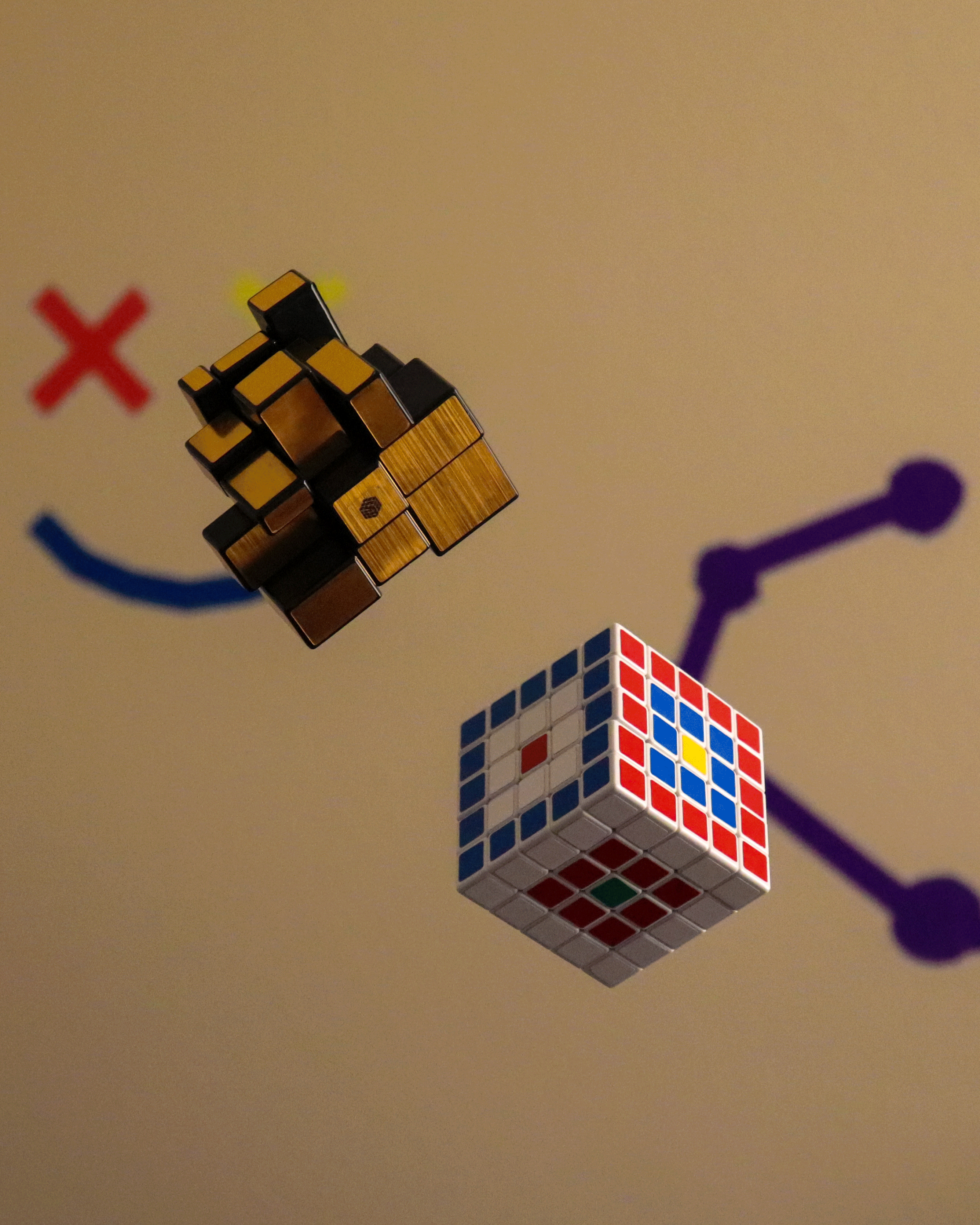
The Resurgence of Puzzle Games
In recent years, puzzle games have experienced a remarkable resurgence in popularity, captivating a diverse audience worldwide. Once relegated to the sidelines of the gaming industry, these engaging challenges have evolved significantly, adapting to the tastes and preferences of modern consumers. This evolution can be traced back to various cultural shifts and technological advancements that have rejuvenated interest in this genre. The rise of mobile gaming, in particular, has been instrumental in drawing in new players and reintroducing classic puzzle mechanics through innovative designs.
The appeal of puzzle games lies not only in their entertainment value but also in the emotional and cognitive benefits they provide. As players immerse themselves in solving intricate problems or piecing together complex narratives, they engage numerous brain functions. Studies have indicated that regular engagement with these games can enhance problem-solving skills, boost memory retention, and improve focus. Moreover, puzzle games often create a sense of achievement as players navigate through increasingly challenging levels, providing a rewarding experience that encourages continued play.
The recent trend towards mindfulness and mental well-being has also contributed to the renewed interest in puzzle games. Many players gravitate towards these titles seeking a respite from fast-paced activities, utilizing the thought-provoking nature of puzzles as a tool for relaxation and mental exercise. In an age where consumers are inundated with distractions, the straightforward objective of successfully completing a puzzle serves as an appealing antidote, fostering not only a sense of accomplishment but also offering a calming escape from daily pressures.
As we delve deeper into the mechanisms driving this resurgence, it becomes evident that the intersection of nostalgia, cognitive stimulation, and accessibility has established puzzle games as a vibrant staple in the current gaming landscape. This exploration will not only illuminate the current fanfare surrounding puzzle games but also underscore their timeless charm and enduring relevance in the gaming community.
The Psychology Behind Puzzle Games
Puzzle games have surged in popularity, and understanding the psychology behind their appeal can shed light on this trend. At the core of puzzle games lies the concept of problem-solving, an intellectual challenge that stimulates the mind. Players are often drawn to these games because they engage their cognitive abilities, requiring logic, strategy, and critical thinking. The brain relishes these challenges, as they activate regions associated with rewards and satisfaction. As players work through complex puzzles, they experience a sense of achievement when solving them, reinforcing a positive feedback loop that encourages further play.
Moreover, the feeling of accomplishment is a significant psychological motivator in these games. Successfully completing a challenging puzzle not only boosts self-esteem but also fosters a sense of mastery over the task at hand. This enhanced self-efficacy can extend beyond gaming, empowering players to tackle challenges in real life with increased confidence. Therefore, puzzle games serve as both a mental exercise and a platform for personal growth, making them especially appealing to players seeking to enhance their cognitive skills.
Additionally, puzzle games often provide an effective form of escapism. In an increasingly fast-paced world, players find solace in immersing themselves in these intricate challenges, which can function as a distraction from everyday stressors. Engaging with a puzzle allows individuals to focus their cognitive resources on a singular task, promoting mindfulness and relaxation. This meditative quality makes puzzle games an ideal option for those seeking stress relief, as they can temporarily step away from their concerns while indulging in an immersive experience. Such characteristics not only typify the allure of puzzle games but also emphasize their role in mental well-being.
Technological Advances Fueling the Puzzle Game Revolution
The evolution of puzzle games can be significantly attributed to the advancements in technology over the past few years. One of the most pivotal developments has been the proliferation of mobile gaming. A surge in smartphone usage has led to an exponential increase in access to games, enabling players to engage with puzzle genres anytime and anywhere. This convenience has allowed traditional puzzle games to transition into digital formats, reaching a broader audience and fostering a new generation of puzzle enthusiasts.
Moreover, improved graphics and user interfaces have played a vital role in reshaping the landscape of puzzle games. Today’s gamers are exposed to stunning visuals and intuitive navigation, which enhance the overall gameplay experience. Notable titles such as “Monument Valley” exemplify how intricate design and user-friendly interfaces can elevate a simple concept into a captivating quest. These advancements allow players to immerse themselves in beautifully crafted worlds, where solving puzzles becomes an enriching experience, rather than mere functionality.
Furthermore, the integration of online connectivity has revolutionized how players interact with puzzle games. Social gaming experiences have been enriched through features like leaderboards, multiplayer modes, and sharing capabilities. For instance, games such as “Words with Friends” leverage these networking features, allowing users to challenge friends and family, thus creating a competitive and social atmosphere that enhances engagement. The ability to connect with others adds an element of community to puzzle-solving, which has traditionally been a solitary activity.
In summary, the convergence of mobile technology, enhanced graphics, and social connectivity has propelled puzzle games into a prominent position in the gaming industry. As these advancements continue to evolve, the possibilities for innovative puzzle gameplay seem limitless, promising exciting futures for both developers and players alike.
Rise of Social Connectivity in Gaming
In recent years, the gaming landscape has undergone a significant transformation, particularly within the realm of puzzle games. The importance of social interactions in this genre has become increasingly prominent, as players seek not only to challenge themselves intellectually but also to connect with others. Multiplayer modes have emerged as a defining feature in puzzle games, allowing friends and strangers alike to collaborate or compete in real-time. This shift toward social connectivity fosters a sense of camaraderie among players, as they tackle puzzles together and share their achievements.
Moreover, the introduction of leaderboards has further heightened the competitive nature of puzzle games. Players are now able to compare their scores and times against others, igniting a spirit of friendly rivalry that propels them to improve their skills. This leaderboard feature not only promotes engagement but also encourages players to remain actively involved, as they strive to climb the ranks and showcase their prowess on a global scale.
The integration of social media into puzzle gaming has revolutionized the way players engage with one another. Players can easily share their accomplishments, strategies, and in-game moments on platforms like Facebook and Twitter, creating a vibrant community around their favorite titles. Popular puzzle games such as “Candy Crush Saga” and “Words With Friends” exemplify this trend, offering cooperative and competitive elements that have captured the attention of millions. Through these connections, players can not only enjoy their gaming experience but also build lasting relationships with others who share similar interests.
This emphasis on social connectivity is reshaping the puzzle gaming experience. As more games prioritize collaborations and competitions, the gameplay becomes a shared journey, transforming solitary experiences into communal events that resonate with a broad audience. The ability to interact and engage with others is now a cornerstone of the puzzle gaming phenomenon, encouraging continual growth and innovation within this genre.
Diversity of Puzzle Genres: A Game for Everyone
Puzzle games have experienced a remarkable resurgence in popularity, and this can largely be attributed to the wide variety of genres available to players today. From traditional jigsaw puzzles to innovative escape room experiences, the diversity within the puzzle game category ensures that there is something for everyone, appealing to a broad demographic that spans all ages and interests.
One of the most recognizable types of puzzle games is the classic jigsaw puzzle. These games offer players a chance to engage their minds while improving spatial recognition and problem-solving skills. Titles like “Ravensburger Puzzle” and “Jigsaw Puzzle by Bitwise” bring enchanting visuals and various difficulty levels, enabling players to tailor their experience according to their comfort and challenge preferences.
On the opposite end of the spectrum, escape room games have gained significant traction, especially in a digital format. These immersive experiences, such as “Escape Team” and “Can You Escape,” combine storytelling with intricate puzzles, often requiring teamwork and critical thinking. Players are captivated by the interactive nature of these games, enhancing their appeal to groups and friends seeking collaborative activities.
Moreover, mobile puzzle games have altered the landscape, making it easy for users to access puzzle experiences on the go. Titles like “Candy Crush Saga” and “Zookeeper Battle” resonate well with casual gamers who enjoy quick gameplay sessions. Their simple yet engaging mechanics provide instant gratification, appealing to those who may not consider themselves hardcore gamers.
Lastly, hybrid puzzle games such as “Portal” and “The Witness” merge puzzle-solving with elements of adventure and exploration. These games attract players who seek a meaningful narrative alongside brain-teasing gameplay, allowing for a unique and memorable gaming experience.
In essence, the variety of puzzle genres available today caters to different audiences, ensuring that players with varying preferences can find an engaging and rewarding gameplay experience that suits their tastes. This extensive diversity is a key factor behind the trend of puzzle games making a remarkable comeback in the gaming world.
The Impact of COVID-19 on Gaming Trends
The COVID-19 pandemic has profoundly reshaped the gaming landscape, resulting in a significant shift in consumer behavior and preferences. As lockdowns and social distancing measures became the norm, many individuals turned to gaming as a primary source of entertainment and connectivity. This period, marked by uncertainty and isolation, saw a surge in video game engagement, particularly in categories such as puzzle games.
Statistics reveal that from March 2020 through the subsequent months, gaming saw an unprecedented increase in usage. According to a report by the NPD Group, video game spending in the United States reached an all-time high, with overall revenues soaring by 30% year-over-year. Puzzle games, which often require critical thinking and strategy, became particularly appealing. They not only provided a means of entertainment but also served as an engaging way to connect with friends and family through online platforms.
Puzzle games have a unique appeal, often easy to learn yet challenging to master, making them perfect for casual sessions during lockdowns. Titles such as “Candy Crush Saga” and “Words with Friends” became household names, as players sought out enjoyable ways to occupy their time and foster social interactions. These games encouraged collaboration and friendly competition, helping to alleviate feelings of loneliness that accompanied prolonged periods of home confinement.
The pandemic facilitated a resurgence of interest in classic puzzle games while also paving the way for innovative titles that captured players’ attention. Moreover, the gaming community expanded significantly, as new players discovered the joys of puzzle-solving in a virtual environment. In this sense, the COVID-19 pandemic not only influenced gaming trends but also revived connections among players through shared experiences in the digital sphere.
Successful Puzzle Games: Case Studies
Puzzle games have experienced a significant resurgence in recent years, captivating audiences across various platforms. This section delves into some of the most successful and influential puzzle games, focusing on their gameplay mechanics, design elements, and marketing strategies that contributed to their popularity.
One notable example is “Candy Crush Saga,” developed by King. Launched in 2012, this match-three puzzle game quickly became a household name. Its addictive gameplay, characterized by colorful graphics and creative level designs, ensured prolonged user engagement. The incorporation of social features allowed players to share progress and compete with friends, reinforcing community interaction. The free-to-play model, paired with microtransactions for in-game purchases, generated substantial revenue while maintaining a large player base.
Another exemplary case is “The Witness,” created by Jonathan Blow. Released in 2016, this first-person puzzle game emphasized exploration and a minimalist aesthetic. Its intricate puzzles challenged players without relying on explicit instructions, thereby enhancing cognitive engagement. The game’s design encouraged players to observe their environment and engage with the narrative, leading to a rich player experience that nurtured discussion and theory among gaming communities.
Additionally, “Portal” and its sequel “Portal 2,” developed by Valve, have set a benchmark in puzzle gaming through innovative mechanics and storytelling. The unique portal gun allows players to solve puzzles in a three-dimensional space, creating an experience that is both intellectually stimulating and entertaining. Its witty writing and engaging characters added layers to the gameplay, contributing tremendously to its cult status. The marketing strategy for these titles, which included humorous promotional materials, further amplified their visibility.
From these examples, aspiring developers can glean valuable lessons: the need to craft addictive gameplay, cultivate community engagement, and integrate strong narrative elements. These factors can significantly enhance the overall player experience in future puzzle game developments.
The Future of Puzzle Games
As we look to the future of puzzle games, it becomes evident that this genre is poised for significant transformation within the gaming industry. Emerging trends indicate a shift towards enhanced interactivity and innovative gameplay mechanics that utilize advancements in technology. For instance, augmented reality (AR) and virtual reality (VR) are expected to play pivotal roles in the evolution of puzzle gaming, facilitating immersive experiences that engage players in unique ways. These technologies allow users to manipulate puzzles within their real-world environments or experience them in entirely novel virtual settings, broadening the appeal of puzzle games.
Moreover, the introduction of artificial intelligence (AI) has the potential to personalize gameplay experiences. AI can analyze player behavior to adapt puzzle difficulty dynamically, ensuring that both novice and expert gamers find challenges that suit their skill levels. This customization could enhance user satisfaction and engagement, fostering a deeper connection between players and the puzzles they seek to solve.
As the gaming community continues to embrace diversity and inclusivity, developers face an important responsibility. The evolution of puzzle games should reflect different perspectives and cultures, incorporating varied thematic elements that resonate with a broader audience. Accessibility will also be a crucial concern; developers must prioritize creating games that are playable for individuals with diverse needs and abilities. This may involve designing intuitive controls, providing different modes of gameplay, and ensuring that puzzles are understandable and can be enjoyed by everyone.
In conclusion, the future of puzzle games will likely be characterized by innovative technologies and a commitment to inclusivity. This genre, while deeply rooted in tradition, is set to evolve and thrive, connecting a diverse audience through engaging and accessible gameplay experiences. Embracing these emerging trends will not only enhance the enjoyment of puzzle games but also solidify their place in the ever-evolving landscape of the gaming industry.
Conclusion: Embracing Connections Through Puzzles
In recent years, puzzle games have experienced a remarkable resurgence, captivating players of all ages. This trend highlights not only the entertainment value of these games but also their profound ability to foster connections among individuals. As previously discussed, puzzle games serve as innovative platforms that bridge gaps between family members, friends, and even strangers, allowing them to engage meaningfully with one another. The shared experience of solving puzzles cultivates a sense of community, encouraging collaboration and enhancing interpersonal relationships.
Moreover, the cognitive benefits associated with puzzle games cannot be overlooked. From boosting problem-solving skills to enhancing memory and concentration, these games stimulate mental agility while simultaneously bringing people together. The interactive nature of puzzles creates opportunities for players to communicate and strategize, reinforcing bonds through shared triumphs and challenges.
As we explore the various genres of puzzle games—from traditional jigsaw puzzles to modern mobile applications—it becomes clear that their appeal is multifaceted. Not only do they provide a means of individual entertainment, but they also serve as a catalyst for social engagement. Players are encouraged to share their experiences, compete in solving challenges, and form connections that extend beyond the game itself.
Thus, it is crucial for individuals to embrace the value of puzzle games not merely as a pastime but as instrumental tools for connection and creativity. By choosing to engage with puzzle games, players can experience personal growth while simultaneously enriching their social networks. As this trend continues to evolve, let us recognize and harness the potential of puzzle games to forge lasting connections in our increasingly digital world.