
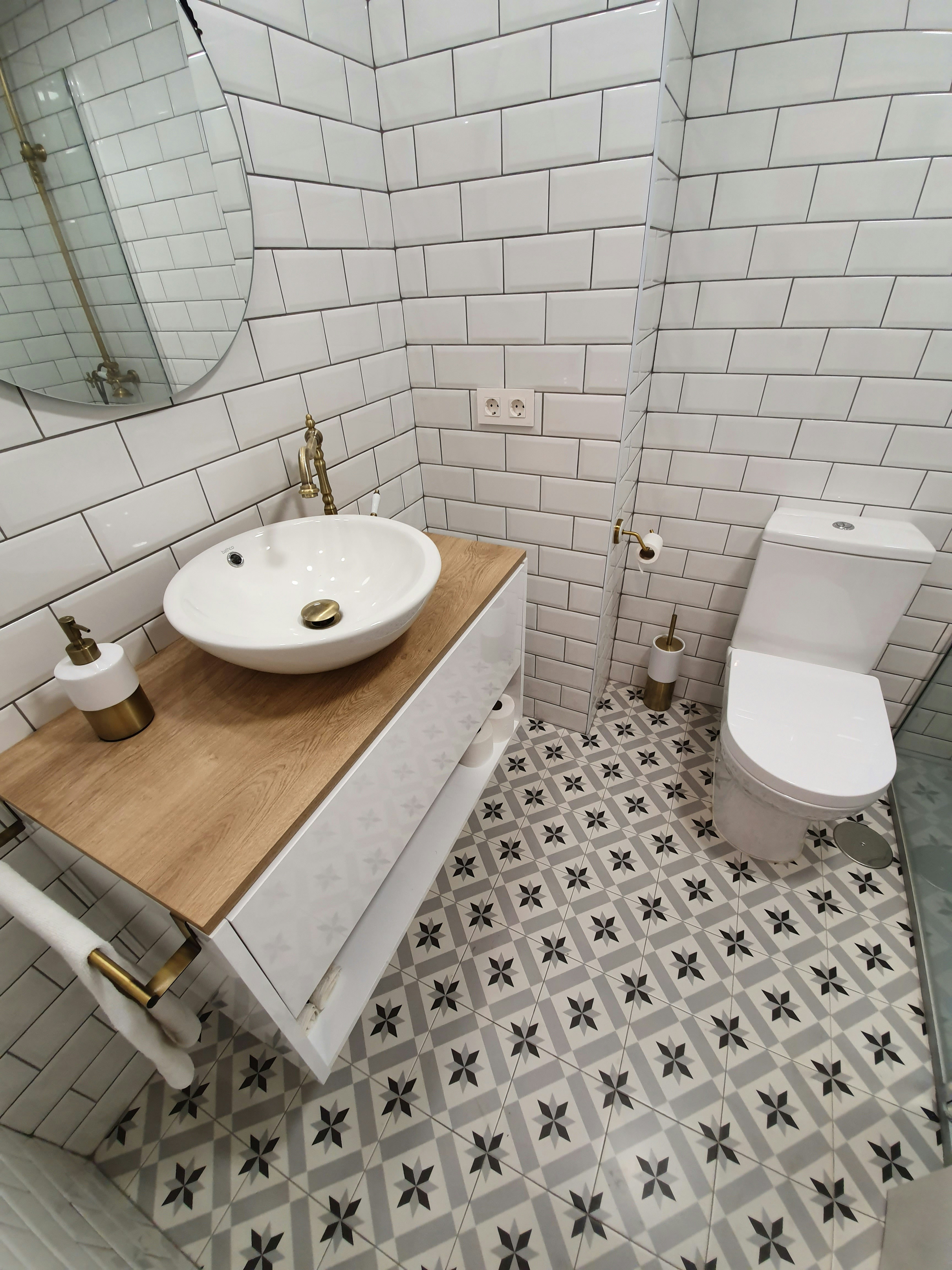
Introduction to Bathroom Updates
In the realm of home renovations, bathroom updates play a vital role in enhancing both the functionality and aesthetic appeal of a residence. The bathroom is one of the most frequently used spaces in a home, and as such, it can significantly influence the overall comfort and convenience for its occupants. An updated bathroom not only serves the daily needs of its users but also reflects modern design trends, creating a pleasant ambiance that resonates with personal style.
Moreover, bathroom updates contribute substantially to the overall value of a property. Potential buyers often consider the condition of bathrooms when evaluating a home, as these spaces can be indicators of the property’s maintenance and care. A well-designed and updated bathroom can elevate a home’s marketability and result in increased sale prices, effectively optimizing the Return on Investment (ROI) for homeowners. The ROI associated with bathroom renovations is often among the highest in home improvement projects, making it a sensible financial decision for those looking to enhance their property.
In recent years, there has been a notable surge in innovative trends related to bathroom updates. From eco-friendly fixtures to luxurious materials, homeowners are increasingly seeking ways to create spaces that reflect their values while also ensuring efficiency. Understanding which updates offer the greatest returns can guide effective decision-making, enabling property owners to prioritize renovations that align with current market demands and personal preferences. Thus, an informed approach to bathroom updates can result in a compelling transformation that marries functionality with style, ultimately enhancing the living experience while bolstering the value of the home.
The Importance of ROI in Bathroom Renovations
Return on Investment (ROI) is a crucial consideration for homeowners contemplating renovations, particularly in high-traffic areas such as bathrooms. This financial metric helps assess the potential profit generated from an investment, which plays a vital role in decision-making for renovation projects. With the housing market often fluctuating, understanding the ROI from particular upgrades can not only enhance the livability of a home but also significantly increase its market value when it comes time to sell.
Bathroom renovations, although involving considerable outlay, tend to yield some of the highest ROI percentages among home improvements. According to various studies, homeowners can expect an average ROI ranging from 60% to 70% for mid-range bathroom remodels. More extravagant renovations, while appealing, rarely surpass the 70% return threshold. Simple enhancements, such as updating fixtures, tiles, or even fresh paint, can rejuvenate a space while maintaining costs, resulting in favorable returns.
Moreover, certain features have shown to boost ROI significantly. For instance, installing energy-efficient fixtures not only reduces water usage but appeals to eco-conscious buyers. Likewise, adding modern amenities like dual-flush toilets or heated floors can attract potential buyers, increasing the overall financial return on the bathroom investment. It is also noteworthy that the average expenditure on a bathroom update can vary widely, thus necessitating careful planning and budgeting to ensure that the choice of improvements aligns with both personal taste and future market trends.
In conclusion, the significance of ROI in bathroom renovations cannot be overstated. A well-planned and executed bathroom update can enhance the homeowner’s experience while ensuring financial benefits in the long run, ultimately making it a worthwhile investment for both immediate and future needs.
Current Trends in Bathroom Design
In the evolving landscape of home design, the bathroom has transformed into a sanctuary that reflects personal style while also catering to functional needs. Contemporary homeowners and potential buyers are increasingly drawn to several key trends that not only enhance the aesthetics of the space but also improve its overall usability. One prominent trend is the rise of open shower designs. By eliminating traditional barriers such as doors and curtains, open showers create a sense of spaciousness and offer a seamless transition from bathing to the rest of the bathroom. This trend enhances accessibility and allows for a customizable experience, aligning with the needs of a diverse demographic.
Another significant development is the growing emphasis on eco-friendly materials. Homeowners are becoming increasingly conscious of their environmental impact, leading to a surge in the use of sustainable materials such as reclaimed wood, recycled glass, and low-flow fixtures. These eco-conscious choices not only contribute to energy savings but also appeal to buyers interested in sustainable living, thereby enhancing property value.
The integration of smart fixtures and technology is another trend gaining traction in modern bathroom design. Smart showers, automated lighting, and intelligent mirrors elevate the user experience by providing convenience and efficiency. With the rise of home automation, these features resonate with a tech-savvy audience eager to integrate gadgets that offer control at their fingertips. Homeowners are more likely to invest in spaces that feature such advancements, making technology a significant driver of bathroom upgrade decisions.
Lastly, spa-like features such as heated floors, soaking tubs, and ambient lighting are becoming standard. These elements aid in fostering a restorative environment, appealing to the growing desire for wellness and relaxation within the home. The combination of these trends not only enhances the functionality and comfort of the bathroom but also aligns with the expectations of today’s buyers, making a strong case for high return on investment in bathroom updates.
Cost-Effective Updates That Yield High ROI
Homeowners seeking to enhance their bathrooms without incurring excessive expenses can consider several cost-effective updates that deliver impressive returns on investment (ROI). These renovations not only improve functionality but also elevate the aesthetic appeal, making the space more attractive to potential buyers.
One of the simplest yet most impactful updates is repainting. A fresh coat of paint can dramatically alter the ambiance of a bathroom, and opting for neutral, contemporary colors can appeal to a broader audience. The average cost of painting a bathroom ranges from $300 to $800, depending on the size of the space, while the potential ROI can reach up to 107%, making it a worthwhile investment.
Upgrading light fixtures is another effective way to enhance the bathroom’s appeal. Outdated fixtures can make the room appear dull and uninspiring. Modern, energy-efficient lighting can cost between $100 and $500 to install, and can result in a potential ROI of approximately 90%. Selecting fixtures that align with current design trends can further increase the bathroom’s marketability.
Replacing hardware, such as cabinet handles and faucets, is a small change that offers significant results. This update typically costs between $50 and $200 and can yield an ROI of about 85%. New hardware can bring a fresh look to existing cabinetry and fixtures, making the space feel updated without a complete overhaul.
Enhancing storage solutions is particularly valuable in bathrooms, which often have limited space. Options like installing shelves or cabinets can range from $200 to $1,000, depending on the complexity and materials used. The potential ROI for improved storage can be substantial, often around 80%, as buyers frequently prioritize functionality in their home search.
By focusing on these cost-effective updates, homeowners can significantly increase the value of their investment while enjoying a more aesthetically pleasing and functional bathroom space.
Luxury Upgrades Worth the Investment
Investing in luxury bathroom upgrades can greatly enhance both the aesthetic appeal and market value of your home. Homeowners looking to maximize their investment should consider features that not only appeal to personal tastes but also attract future buyers. Among the most sought-after upgrades are high-end vanities, luxurious soaking tubs, radiant heating systems, and premium tiles. Each of these elements can contribute significantly to a modern and upscale bathroom environment.
High-end vanities serve as both functional and attractive focal points within a bathroom. Quality vanities often feature real wood construction, solid countertops, and high-end finishes, which can range in cost from $1,500 to upwards of $5,000 depending on the brand and materials used. Such investment can yield a return of 60-80% when selling the home, making them a wise choice for those enhancing their space.
Luxury soaking tubs, often made from materials like cast iron, stone, or high-quality acrylic, provide a spa-like experience, and can range from $1,000 to $10,000. These tubs not only add to comfort but also signify quality to potential buyers, potentially leading to a return on investment of around 70%. Additionally, incorporating radiant heating systems can provide added warmth and comfort, with costs ranging from $1,000 to $5,000. Such systems not only improve overall livability but can also recoup about 50-60% upon sale.
Lastly, high-quality tiles, both for flooring and walls, enhance visual appeal while providing durability. Investing in premium tiles might cost anywhere from $5 to $25 per square foot, depending on the material. Selecting elegant options can yield a significant ROI, as modern buyers often seek meticulously finished spaces. Overall, each of these luxury upgrades can transform a bathroom into a personal retreat while simultaneously increasing the value of the home.
DIY vs. Professional Remodeling: Weighing Your Options
When considering bathroom renovations, homeowners often grapple with the choice between DIY projects and hiring professionals. Each option has its distinct advantages and challenges, which can significantly impact the overall investment and return on investment (ROI) for the property. Understanding these differences is crucial for making an informed decision.
One significant factor that leads homeowners to consider DIY renovations is cost savings. Tackling a bathroom update independently can eliminate labor costs, making it an appealing option for those with a limited budget. However, it is essential to recognize that the complexity of certain updates may require specialized skills and knowledge. For example, plumbing and electrical work should typically be left to the professionals to ensure safety and compliance with local regulations.
On the other hand, hiring professional contractors may incur higher upfront costs, but their expertise can yield significant benefits. Professionals possess experience, which often results in higher quality workmanship and a more efficient remodeling process. This efficiency can translate to a reduced timeline for project completion, minimizing disruption to the homeowner’s daily life. Additionally, professional contractors can provide valuable insights and suggestions based on current market trends, which could enhance the overall aesthetic and functionality of the bathroom.
When weighing the options, homeowners should also consider the potential impact on the property’s ROI. Professionally executed renovations tend to attract prospective buyers, as they instill confidence in quality and craftsmanship. In contrast, a poorly executed DIY project could potentially lower the value of the home, leading to a decrease in ROI. For those who opt for a DIY approach, it is advisable to set realistic expectations and assess skill levels before committing to significant updates.
Ultimately, the decision between DIY and professional remodeling depends on individual circumstances, financial considerations, and the desired outcome of the bathroom renovation. Evaluating these factors will help homeowners choose the approach that best aligns with their specific needs.
Planning Your Bathroom Update on a Budget
Embarking on a bathroom update can be a rewarding yet challenging experience, particularly when working with a limited budget. Effective planning is essential to ensure that you maximize the return on investment (ROI) while keeping costs in check. The first step in this process is to establish a clear budget that outlines your financial limitations and the overall cost structure of the renovations. It is advisable to allocate a portion of your budget for unforeseen expenses that may arise during the renovation process, as these can often exceed initial estimates.
Prioritization is crucial when planning your bathroom update. Focus on updates that will yield the highest ROI; these often include replacing fixtures, updating lighting, and refreshing the paint or wallpaper. According to industry reports, minor bathroom renovations can recoup up to 70% of their costs, particularly when essential elements such as vanities or tub surrounds are involved. Therefore, assess which areas will have the most significant impact on both aesthetics and functionality.
Tracking your costs meticulously throughout the renovation is essential. Utilize budget management software or spreadsheets to monitor expenses in real-time. Documenting each purchase, such as tiles, faucets, and labor costs, will help ensure that you remain within your financial limits. Set benchmarks for each stage of the update process to help gauge your spending and make adjustments as needed. This structured approach will not only aid in maintaining your budget but will also provide a clear overview of where your money is being spent.
Lastly, consider engaging with professionals who offer free estimates or consultations. Their expertise can provide valuable insights regarding budget allocation and cost-effective solutions for your bathroom update. Being informed and organized enables homeowners to achieve a high-quality renovation without overextending their finances.
Navigating Permits and Regulations
Updating a bathroom can significantly enhance the overall value of a home, but it is imperative to navigate the labyrinth of permits and regulations that may be required. Before you embark on renovations, understanding local building codes and regulations is crucial to ensure compliance. This minimizes potential delays and financial penalties. Each locality may have different rules, so the first step in your renovation journey should be thorough research of local laws and ordinances specific to bathroom updates.
A good approach to finding the necessary information is to visit your local government’s official website, where you can usually find a section dedicated to building permits and codes. Many municipalities provide detailed guidelines for common renovation projects, which can help you determine whether a permit is required for your specific updates, such as plumbing changes, electrical work, or structural modifications. In addition, reaching out directly to your local building department can clarify any uncertainties you may encounter during your research.
It is essential to consider the potential costs associated with obtaining permits. Fees can vary based on the types of permits required and the scope of your renovation. Being aware of these costs upfront can aid in budget planning and prevent unexpected expenses. It is advisable to factor in these fees into your overall bathroom update budget. Moreover, remember that staying compliant with local regulations not only ensures a smooth renovation process, but it also protects your investment from potential future penalties. Non-compliance can result in fines, or in severe cases, necessitate the undoing of completed work, further incurring costs and delaying project timelines.
Conclusion
In closing, maximizing your investment in bathroom renovations involves a careful consideration of current trends, associated costs, and potential return on investment (ROI). Throughout this blog post, we have explored various aspects of high ROI bathroom updates, focusing on the importance of selecting renovations that not only enhance the aesthetic appeal of the space but also provide significant value to homeowners. Incorporating modern designs, energy-efficient fixtures, and smart technology can significantly elevate the functionality and style of your bathroom while ensuring that the upgrades are in line with prevailing market demands.
Understanding the costs involved in each of these updates is essential for homeowners. By keenly analyzing the investment required for different renovation options, one can make choices that align with both budget constraints and long-term goals. It is crucial to weigh features that promise longevity and reduced maintenance costs against more superficial upgrades that might not hold their value over time. Homeowners should actively engage in market research to identify which updates are trending and what types of amenities are most desired in their area.
Finally, it is advisable to approach bathroom renovations incrementally. Rather than undertaking massive remodels all at once, consider implementing small yet impactful changes that can significantly improve the overall bathroom experience. Simple updates such as re-grouting tiles, replacing fixtures, or implementing better lighting can pave the way for a more sophisticated look without breaking the bank. By making informed decisions based on practical needs and market insights, homeowners can ensure that their bathroom enhancements contribute effectively to their living space and overall property value.