
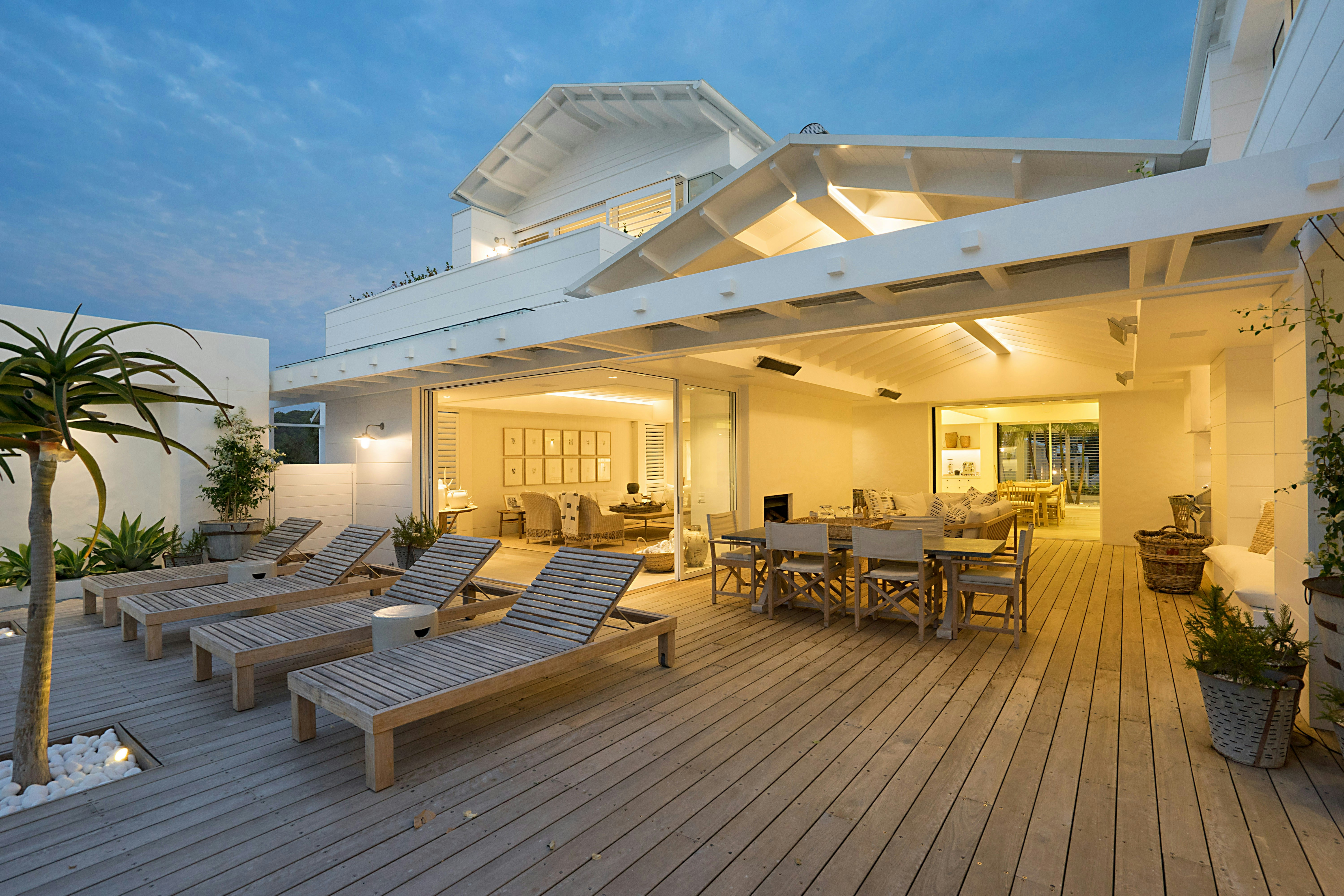
Introduction to Outdoor Living Spaces
In recent years, the notion of outdoor living spaces has gained considerable prominence among homeowners looking to enhance their properties. These dynamic areas serve as extensions of the home, bridging the indoor and outdoor environments seamlessly. With the right design and amenities, backyards can transform into havens for relaxation, entertainment, and social interaction. As more individuals prioritize outdoor living, various approaches, such as building decks and patios, have emerged as favorite choices for creating functional spaces.
The benefits of developing outdoor living areas are manifold. Firstly, one of the most significant advantages is the potential increase in property value. A well-designed outdoor space not only enhances the aesthetic appeal of a home but also appeals to potential buyers, making it a worthy investment. Property owners often find that adding features such as patios or decks can greatly improve their home’s marketability.
In addition to increasing property value, outdoor living spaces provide ample opportunities for relaxation. With the hustle and bustle of everyday life, having a dedicated area for unwinding is invaluable. Patios can be equipped with comfortable seating, lush greenery, and decorative elements that provide a serene escape from indoor stressors. This investment in outdoor comfort can lead to enhanced quality of life, encouraging residents to spend more time outside in nature.
Moreover, outdoor living spaces play an essential role in fostering family and social gatherings. These areas can be designed to accommodate various activities, from barbecues to family reunions. The versatility these spaces offer enables homeowners to host memorable events, strengthening bonds with family and friends while enjoying the great outdoors. As such, the trend of creating functional outdoor living areas continues to rise, embodying the essence of modern home life.
Understanding Decks and Patios: Key Differences
When contemplating outdoor living spaces, it is essential to understand the fundamental differences between decks and patios. Both options offer unique benefits and can enhance the functionality of your backyard, but they differ significantly in construction materials, design, and placement.
Decks are typically elevated structures made primarily of wood or composite materials. Their height can allow for views of yards or landscaping, making them ideal for homes on sloped lots. The flexibility of wood enables a variety of design styles, from classic to contemporary. This versatility can help to create an inviting area for entertaining, dining, or relaxing. However, maintaining a wooden deck may require regular upkeep, including staining or sealing, to prolong its lifespan.
On the other hand, patios are constructed at ground level, primarily using high-density materials such as concrete, pavers, or stones. This solid foundation provides stability and allows for various design ideas, including creating patterns or integrating outdoor features like fire pits and seating walls. Patios can accommodate a multitude of activities, making them suitable for hosting larger gatherings. Additionally, the minimal maintenance required for concrete surfaces often appeals to homeowners seeking a low-maintenance solution.
Choosing between a deck and a patio often depends on personal preferences and the specific attributes of the backyard. For those looking for a space that provides elevation and a distinct view, a deck may be the better option. Conversely, a concrete patio may be better suited for those who prefer accessible outdoor areas that seamlessly blend with the surrounding landscape. Understanding these key differences will help guide your decision in transforming your outdoor living space effectively.
Planning Your Outdoor Space: Design Considerations
Creating a deck or patio requires thoughtful planning to ensure that it meets both functional and aesthetic needs. The first step in this planning process is to establish a budget. Determine how much you are willing to invest in your outdoor living space, accounting for materials, labor, and any additional features such as lighting or landscaping. An accurate budget serves as a roadmap for making design decisions and can help you prioritize elements that truly enhance your outdoor experience.
Next, it is essential to understand local regulations and zoning laws that may affect your project. Before finalizing your design, check with local authorities or homeowners’ associations to identify restrictions on structure size, materials, or placement. Being informed about these aspects can prevent future complications and ensure compliance with local standards.
Consideration of sun exposure and shade is another critical component in the design phase. Assess how the sun moves throughout your yard during the day and identify areas that receive full sunlight versus those that are consistently shaded. This knowledge will help you decide where to place your deck or patio, and enable you to strategically incorporate features such as pergolas or awnings for sun protection. Tailoring your outdoor space to accommodate both sunny and shaded areas allows for versatile use throughout the day.
Lastly, it is important to reflect on your personal preferences and lifestyle needs. Are you looking to create a space for entertaining guests, or do you prefer a tranquil retreat for relaxation? Incorporating elements such as comfortable seating, a fire pit, or outdoor dining options can significantly enhance enjoyment. By considering these various factors, you can create a comprehensive design plan that harmonizes with your lifestyle, resulting in a functional and aesthetically pleasing outdoor environment.
DIY Deck Construction: Step-by-Step Guide
Building a DIY deck can enhance your outdoor living space and increase your home’s value. To begin, gather essential tools and materials. Common tools include a circular saw, drill, level, tape measure, and safety gear such as gloves and goggles. For materials, you will typically need pressure-treated lumber, deck screws, joist hangers, and possibly composite decking for a low-maintenance option. Research local regulations to ensure compliance with any building codes that may apply to deck construction.
Next, start with the foundation. Lay out where the deck will be positioned, using stakes and string to outline its corners. Begin by digging holes for the footings, typically made of concrete, which will serve as the support for your deck. Once the footings are set and cured, install the ledger board against your house to secure one side of the deck. Ensure it is level; this step is crucial for the stability of the entire structure.
Once the foundation is established, build the frame by laying out and securing the perimeter beams and installing the joists. Joists should be spaced evenly—usually every 16 inches—providing the necessary support for the decking boards. After constructing the frame, lay the decking boards perpendicular to the joists. Leave appropriate gaps between the boards to allow for drainage and expansion, which is essential to prevent warping and promote longevity.
Safety is paramount during the construction process. Always wear protective gear and follow manufacturer instructions. Additionally, double-check each step before proceeding, as errors in the early stages can lead to significant problems later on. Common pitfalls include misplacing joists and neglecting proper spacing of decking boards, which can compromise the deck’s safety and aesthetics. By following this comprehensive guide, you can achieve a successful DIY deck that enhances your outdoor living experience.
DIY Patio Creation: Step-by-Step Guide
Creating a DIY patio can significantly enhance your outdoor living space, offering a perfect area for relaxation and entertainment. To begin your project, the first step involves properly preparing the site. Choose a suitable location that receives sunlight and is relatively flat. Clear the area of any rocks, weeds, or debris, ensuring you have a clean surface to work with. Consider marking out the perimeter of the patio using stakes and string, which will help you visualize the space clearly and ensure accurate measurements.
Next, selecting the right materials is crucial for a successful patio. Depending on your preference and budget, you can opt for various options such as concrete, pavers, or deck tiles. Concrete is durable and provides a solid foundation, while pavers offer a more aesthetic appeal with numerous design possibilities. If you prefer a natural look, consider stones or bricks, which can be creatively arranged for unique patterns. Once you have chosen your materials, measure your designated area and ensure you purchase enough to complete the project.
The following step involves laying the base for your DIY patio. Start by digging out the area to a depth of about 4-6 inches, providing enough room for the base material. Use crushed gravel or sand as the base layer, which aids in drainage and creates a stable foundation. Level the base using a tamper for evenness. Once complete, it’s time to lay your chosen materials. For pavers or stones, arrange them in your desired pattern, leaving small gaps for sand or grout between them for stability.
Finishing touches are essential for enhancing the overall aesthetic of your new patio. Add landscaping elements such as flower beds or decorative stones around the patio to create visual interest. Furnishing your patio with outdoor furniture will not only enhance its functionality but also make it inviting. Add cushions and accessories that match your style to complete the look. By following these detailed steps, you can confidently create a beautifully designed patio that complements your outdoor living experience.
Accessorizing Your Outdoor Space: Furniture and Décor Ideas
Once you have constructed your deck or patio, the next crucial step is to enhance your outdoor living space with carefully selected furniture and décor. Selecting weather-resistant furniture should be your primary consideration, as it will expose the elements year-round. Look for materials such as teak, eucalyptus, or synthetic wicker, which are known for their durability and resistance to fading and moisture. It’s paramount that the furniture you choose is not only stylish but also comfortable, as this will encourage you and your guests to enjoy the space to its fullest.
Incorporating accessories can significantly elevate the overall aesthetics of your outdoor area. Begin by selecting outdoor rugs, which can define spaces and add warmth underfoot. When decorating, consider using planters filled with vibrant flowers or lush greenery to create a sense of life around your deck or patio. Opt for materials that are specifically designed to withstand rain and sun exposure, ensuring that they remain beautiful throughout the seasons.
Furthermore, adding features such as fire pits can offer both a practical and inviting aspect to your outdoor area. Fire pits serve as a focal point for gatherings, providing warmth as well as a space for relaxation and conversation. Enhance this space with thoughtful lighting, like string lights or lanterns, which can create a magical ambiance as the sun sets. The right lighting can transform any outdoor area into a cozy retreat, making it perfect for entertaining or enjoying a quiet evening under the stars.
Ultimately, the key to a well-decorated outdoor living space lies in balancing functionality with your personal style. By thoughtfully selecting furniture, accessories, and lighting, you can create an inviting atmosphere that enhances the beauty and usability of your outdoor space.
Maintenance Tips for Decks and Patios
Maintaining your outdoor living spaces, such as decks and patios, is essential for ensuring their longevity and aesthetics. Regular maintenance not only enhances the beauty of these areas but also prevents costly repairs down the line. To keep your deck or patio in top condition, a few key practices should be followed throughout the year.
Firstly, regular cleaning is crucial. It is advisable to sweep away debris such as leaves, dirt, and other materials that can accumulate. For wooden decks, using a mild detergent and a soft-bristle brush can help remove stains and mold. On the other hand, patios made of stone or concrete can be cleaned using a power washer to eliminate sturdier grime and maintain their appearance. Remember to clean them at least twice a year — ideally in spring and fall — to prepare them for the changing seasons.
Seasonal preparations are another important aspect of maintenance. Before winter, consider applying a sealant to the decking materials, which can help protect them from water damage and the harsh effects of ice. In spring, inspect the areas for any signs of wear or damage that may have occurred during the winter months. Look for loose boards, cracks, or rusted nails and address them promptly; this not only aids in preservation but also enhances safety for family and guests alike.
Repairs, when necessary, should not be deferred. Promptly replacing any damaged boards or tiles ensures that your deck or patio remains structurally sound. Additionally, consider applying a protective coating every few years for wooden surfaces and updating any sealants regularly to guard against the elements.
Ultimately, taking these steps will protect your outdoor living spaces and maintain their inviting appearance for years to come. By adhering to a consistent maintenance routine, homeowners can enjoy their decks and patios without concern for deterioration.
Inspiration: Stunning DIY Outdoor Living Spaces
Transforming your outdoor area into a stunning living space can be a rewarding endeavor, offering a perfect blend of functionality and aesthetics. There exists a myriad of design styles that can inspire homeowners to create their own unique settings. For instance, a rustic wooden deck adorned with comfortable seating and natural wood elements can provide a cozy atmosphere that blends seamlessly with surrounding nature. The use of reclaimed wood not only adds character but also promotes sustainability, making it an excellent choice for eco-conscious individuals.
Moreover, contemporary patios featuring sleek lines and modern materials, such as concrete and glass, can create a sophisticated look. Pairing these elements with minimalist furniture and smart lighting can elevate the space, making it perfect for evening gatherings or quiet relaxation under the stars. Incorporating an outdoor kitchen or a fire pit within these setups often enhances the versatility of the area, allowing for year-round enjoyment.
For those drawn to Mediterranean aesthetics, vibrant tiles and colorful cushions can infuse energy and warmth into outdoor living spaces. Surrounding these areas with lush greenery and flowering plants can further enhance their appeal, creating an inviting ambiance reminiscent of sun-soaked resort living. Even small balconies or courtyards can shine with the right arrangement of furniture and adornments, making them ideal for intimate gatherings or solitary relaxation.
Water features, such as a small pond or fountain, add a tranquil element to any outdoor environment. The soothing sounds of flowing water can significantly improve the atmosphere, making it a perfect spot for contemplation or reading a book. Ultimately, the possibilities for DIY outdoor living spaces are as diverse as individual tastes, and the creative potential is boundless. By incorporating personal preferences and local materials, homeowners can design a space that truly reflects their vision and enhances their lifestyle.
Conclusion: Enjoying Your Outdoor Living Space to the Fullest
Creating a DIY deck or patio not only enhances the aesthetic appeal of your home but also provides a valuable extension of your living space. The outdoor living space you cultivate can serve multiple functions, from hosting family gatherings to providing a serene area for relaxation. These structures encourage us to step outside and immerse ourselves in nature, promoting a lifestyle that blends comfort with the beauty of the outdoors. With the right design choices and materials, your deck or patio can be tailor-made to suit your personal style and needs.
Once your outdoor area is complete, the possibilities for utilization are vast. You may consider hosting intimate gatherings under the stars, where friends and family can enjoy meals together, share stories, and create lasting memories. Incorporating outdoor furniture and decor, such as string lights and comfortable seating, can elevate the ambiance of your gatherings, making each event special. Additionally, these spaces can be utilized for gardening, providing an opportunity to cultivate herbs, flowers, or vegetables, thereby enhancing your connection to nature.
Relaxation is another key advantage of having a dedicated outdoor area. Whether it’s enjoying a morning coffee surrounded by greenery or unwinding with a book in hand during the afternoon sun, your DIY deck or patio can foster a peaceful retreat from the stresses of daily life. By making the most of your outdoor living space, you not only boost your home’s value but also enrich your quality of life.
By embracing the concept of outdoor living, you can transform your home experience into something more vibrant and enjoyable. As you plan and populate your outdoor space, remember that it should reflect your personality and cater to your lifestyle, ultimately becoming a cherished part of your home. Enjoy the endless possibilities that await you in your newly created outdoor sanctuary.