Introduction to Seasonal Maintenance
Seasonal maintenance stands as a crucial practice for homeowners, serving as a proactive approach to ensuring the longevity and efficiency of home systems and appliances. This cyclical aspect of home maintenance is often underestimated, yet it plays an integral role in preserving the overall functionality and safety of a home. Regular upkeep allows homeowners to address minor repairs and necessary updates before they escalate into significant, costly issues.
The concept of seasonal maintenance revolves around the understanding that various tasks should be performed at specific times of the year to align with environmental changes and household needs. For instance, tasks such as gutter cleaning, HVAC system checks, and winterization preparations are tailored to the unique demands of each season. By adhering to this systematic approach, homeowners can effectively mitigate risks associated with neglect, such as water damage, energy inefficiency, and safety hazards.
Moreover, seasonal maintenance not only enhances the longevity of home systems and appliances but also contributes to a comfortable living environment. Regular inspections can improve air quality, ensure heating and cooling systems operate efficiently, and create a safer atmosphere by identifying potential hazards. Through scheduled maintenance, homeowners can proactively adjust for seasonal challenges, ranging from heavy rain in the spring to freezing temperatures in the winter.
In summary, implementing a seasonal maintenance checklist is essential for any homeowner looking to streamline home care, prevent larger issues, and maintain a conducive and secure living space. By recognizing the cyclical nature of these tasks, homeowners can invest in the well-being of their property and, ultimately, their quality of life.
Spring Maintenance Tasks
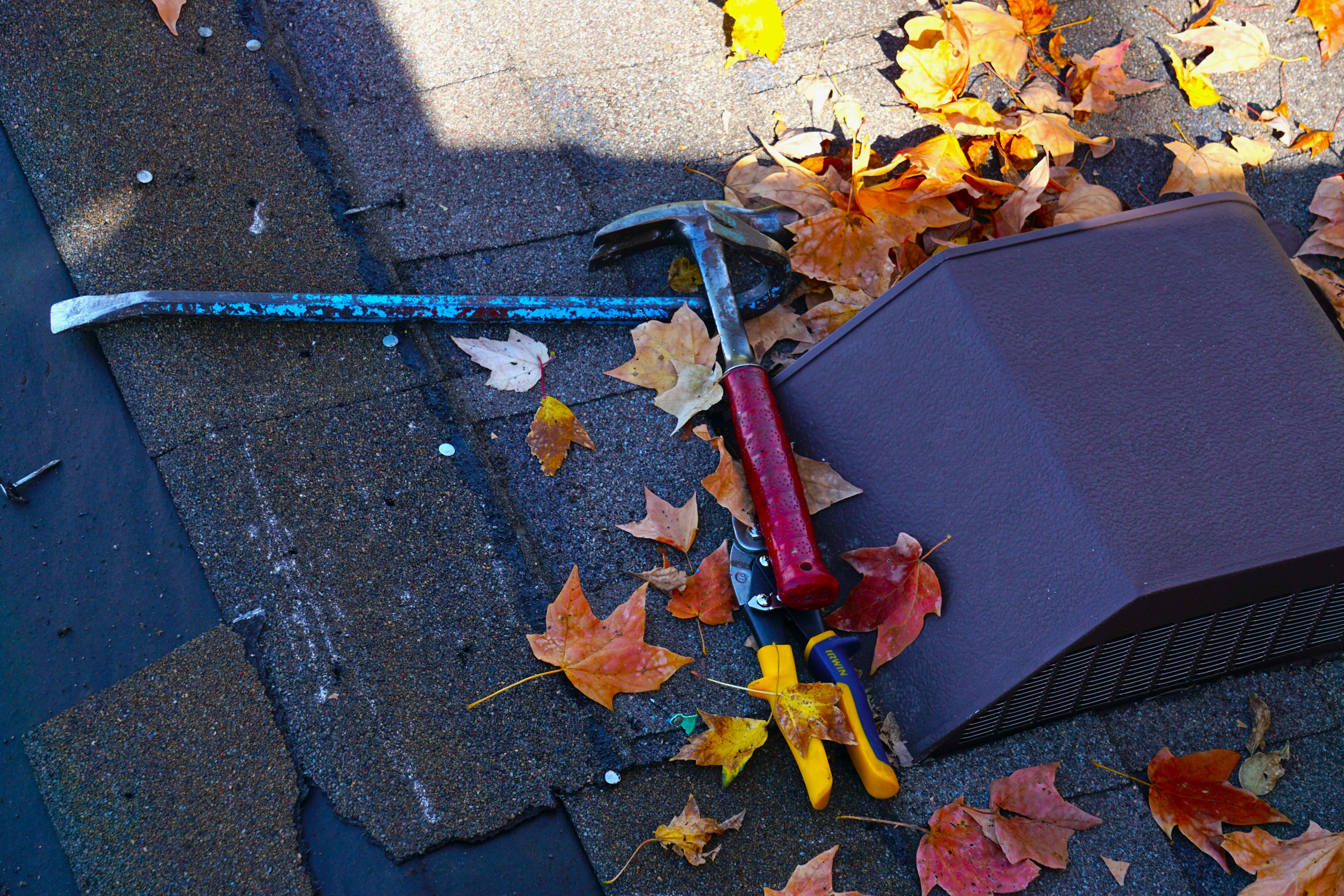
As winter gives way to spring, homeowners are encouraged to undertake a series of essential maintenance tasks. Conducting these tasks not only ensures the longevity of their property but also helps identify and rectify potential issues before they escalate. A meticulous inspection of the roof and gutters is paramount during this season. It is advisable to check for any signs of wear, missing shingles, or debris accumulation that may impede proper drainage. Clogged gutters can lead to water damage, necessitating prompt action to maintain the integrity of the home.
In addition to roof and gutter inspections, assessing potential leaks within the home is crucial. Homeowners should inspect areas around windows, doors, and plumbing fixtures for any signs of moisture accumulation or deterioration. Addressing such issues early on can save significant costs associated with water damage and energy inefficiency.
Another important aspect of spring maintenance is the cleaning and servicing of HVAC systems. Particularly, homeowners should assess air filters, ductwork, and vents. A well-functioning heating, ventilation, and air conditioning system is vital for home comfort, especially as temperatures begin to rise. Regular maintenance ensures optimal performance and energy efficiency.
Homeowners should also begin preparing their gardens for planting. This involves clearing out any debris left from winter, assessing soil quality, and considering necessary amendments to promote healthy plant growth. Engaging in these activities not only enhances the aesthetics of the property but also contributes to a thriving garden.
Lastly, conducting a thorough exterior inspection is essential. This includes evaluating siding, painting, and outdoor structures for wear and tear. Identifying and addressing issues during spring not only improves the home’s appearance but also protects it from more significant damage as the season progresses. Overall, a comprehensive spring maintenance checklist can aid homeowners in safeguarding their investment.
Summer Maintenance Tasks
As summer arrives, homeowners should prioritize seasonal maintenance tasks to ensure their homes remain safe, functional, and inviting. A crucial aspect of summer maintenance is the inspection and cleaning of decks and patios. These outdoor spaces can accumulate debris, dirt, and algae, which can lead to slippery conditions and unattractive aesthetics. Regular sweeping and occasional deep cleaning will help maintain their integrity and appearance.
Next, checking outdoor plumbing is essential during the summer months. Hoses, faucets, and irrigation systems tend to be used more frequently, making them susceptible to leaks and malfunctions. Homeowners should inspect these systems for signs of wear, ensuring they operate efficiently. Additionally, it is advisable to check for any obstructions in gutters and downspouts, particularly if summer storms are expected. Maintaining a clear drainage system will prevent water build-up and potential damage to the home.
Another significant maintenance task during summer is ensuring that air conditioning units are functioning optimally. Regularly replacing filters and cleaning the exterior unit can greatly enhance performance and energy efficiency. Homeowners should also be aware of the signs of potential malfunctions, such as unusual noises or inconsistent cooling, and seek professional help if necessary. This proactive approach can lead to a comfortable environment during the hottest days of the year.
Furthermore, caring for landscaping and outdoor spaces is critical to keep them vibrant and healthy throughout the hot months. Regular watering, mulching, and weeding will help plants thrive, while trimming overgrown shrubs and trees ensures they remain attractive and manageable. Landscapes can significantly enhance the curb appeal of a home and contribute to the overall enjoyment of outdoor spaces during summer activities.
Fall Maintenance Tasks
As the vibrant hues of summer fade and the chill of autumn begins to settle, it is crucial for homeowners to undertake a series of essential maintenance tasks. Preparing your home for the winter months can help prevent damage and reduce energy costs, making it a vital component of seasonal upkeep. One of the first tasks to prioritize is cleaning the gutters. Over the summer, leaves, twigs, and debris can accumulate, leading to blockages. This can cause overflow during winter rains or melting snow, potentially damaging your roof and foundation.
Another important aspect of fall maintenance is checking the heating systems in your home. Before the cold weather arrives, ensure that your furnace or heating system is functioning efficiently. This includes replacing filters, scheduling professional inspections, and making necessary repairs. These proactive measures not only ensure warmth throughout the colder months but can also save on energy bills by improving system efficiency.
In addition, homeowners should be vigilant about sealing drafts in windows and doors. Inspect weather stripping and caulking, as gaps can lead to significantly increased heating costs and uncomfortable indoor temperatures. A well-sealed home contributes to energy efficiency and comfort during winter.
Moreover, a thorough inspection of the home’s exterior will help identify any wear and tear. Look for cracks in the siding, peeling paint, or damaged roof shingles that may need repair. Addressing these issues promptly can prevent more severe damage from harsh winter weather.
Finally, preparing gardens and outdoor spaces for the colder months is equally important. This entails trimming back perennials, clearing away dead plants, and covering sensitive plants as necessary. Establishing proper care for your garden now will ensure it remains healthy and vibrant in the spring. By diligently performing these fall maintenance tasks, homeowners can secure their property and enhance its longevity through the winter months.
Winter Maintenance Tasks
As winter approaches, it is crucial for homeowners to prepare their properties for the challenges posed by cold weather. Proper winter maintenance not only helps in preventing damage but also ensures the home remains a comfortable and safe environment. One of the primary tasks is insulating pipes, which significantly reduces the risk of freezing. Insulated pipes can prevent costly repairs caused by burst water lines, thereby safeguarding the home’s plumbing system.
Another essential maintenance task involves checking smoke and carbon monoxide detectors. During winter, the use of heating equipment increases, and ensuring these detectors are functioning properly is vital for safety. Homeowners should test detectors regularly and replace batteries at the onset of the season. Furthermore, installing a carbon monoxide detector near sleeping areas can provide an additional layer of safety due to the risks associated with heating systems and potential gas leaks.
Reviewing and maintaining snow removal equipment is also crucial during the winter months. Homeowners should ensure that shovels, snow blowers, and ice melt products are in good working condition. Regular maintenance can prevent malfunctions during a snowstorm, allowing for timely snow removal and safe access to walkways and driveways. Adequate snow removal is essential not just for aesthetic purposes but also for preventing slips and falls that could lead to injuries.
Additionally, homeowners should prepare for winter storms by stocking necessary supplies such as flashlights, batteries, and non-perishable food items. Ensuring that the home has ample supplies can mitigate the impact of potential power outages or extended periods of severe weather. By taking proactive winter maintenance measures, homeowners can protect their properties from the harsh effects of winter, ensuring that heating systems operate efficiently while maintaining safety throughout the season.
Home Safety Checks
Maintaining a safe home environment is a paramount concern for every homeowner, and conducting seasonal safety checks can significantly mitigate potential risks. One essential task is testing smoke and carbon monoxide (CO) detectors. It is advisable to check these devices monthly and replace batteries twice a year, ideally coinciding with daylight saving time adjustments. Ensuring that these alarms are operational not only protects occupants from fire hazards but also safeguards against the less visible threat of carbon monoxide poisoning, which can have dire consequences.
In addition to detectors, reviewing the status of fire extinguishers is critical. Homeowners should verify that extinguishers are accessible, fully charged, and free from obstructions. It is recommended to replace extinguishers every 5 to 15 years, depending on the model’s guidelines. Furthermore, familiarizing all household members with the proper use of fire extinguishers can enhance preparedness in case of emergencies.
Another vital component of home safety checks involves inspecting home security systems. Homeowners should routinely assess security cameras, alarm systems, and door locks to ensure functionality. They should also evaluate whether the systems are adequately covering all entry points and consider updating technology to stay ahead of potential intrusions.
Finally, revisiting and practicing emergency plans is fundamental in maintaining household safety. Homeowners should ensure that all family members are aware of escape routes and procedures for various emergencies, such as fires or natural disasters. Initiating regular safety drills can reinforce these plans and help fulfill the overarching goal of preparedness.
Through meticulous attention to these safety checks each season, homeowners can foster a more secure and vigilant home environment, substantially reducing the risks associated with emergencies.
Energy Efficiency Improvements
As homeowners prepare for the changing seasons, it is essential to incorporate energy efficiency improvements into their seasonal maintenance checklist. One of the first tasks should be to assess and improve insulation levels throughout the home. Adequate insulation not only maintains indoor temperatures but also minimizes energy consumption, leading to reduced utility bills. Homeowners should inspect attics, basements, and walls for any gaps or wear in the insulation material and replace or add insulation as needed.
Additionally, tuning up heating and cooling systems is a critical component of seasonal maintenance. Systems that operate efficiently consume less energy and provide better comfort levels. During routine checks, homeowners should replace or clean filters, check for any wear and tear, and ensure that all components are functioning optimally. It is advisable to schedule professional maintenance at least once a year for HVAC systems to promote longevity and efficiency.
Another vital energy efficiency improvement is sealing windows and doors. Gaps around windows and doors can lead to significant energy loss. Homeowners should consider using weather stripping or caulking to ensure a tight seal, thus preventing air leaks. This not only improves energy efficiency but also enhances indoor comfort by maintaining a consistent temperature within the home.
Moreover, utilizing energy-efficient appliances can substantially contribute to an eco-friendlier home. When replacing older appliances, homeowners should focus on those that carry the ENERGY STAR label, which indicates they meet energy efficiency guidelines set by the Environmental Protection Agency. Investing in these appliances can lead to considerable savings on energy costs over time, making them a worthy inclusion in any seasonal checklist.
By integrating these energy efficiency improvements into their seasonal maintenance plan, homeowners can reduce their energy consumption, minimize expenses, and positively impact the environment. The careful evaluation and enhancement of home systems not only promote comfort but also align with sustainable living practices.
Creating a Maintenance Schedule
Establishing a seasonal maintenance schedule is a crucial practice for homeowners seeking to ensure the longevity and efficiency of their properties. A well-structured maintenance plan not only aids in keeping the home in prime condition but also prevents costly repairs by addressing potential issues before they escalate. The first step in this process involves identifying and categorizing the various maintenance tasks that are required throughout the year.
To create an effective maintenance schedule, it is beneficial to break down these responsibilities into manageable segments. This can include, but is not limited to, seasonal inspections, HVAC maintenance, gutter cleaning, and landscaping duties. By assigning specific tasks to different seasons, homeowners can avoid the stress of trying to accomplish all necessary maintenance in a short timeframe. For example, spring may focus on garden preparation and exterior cleaning, while fall can be dedicated to checking heating systems and preparing for winter.
Setting reminders for these tasks can significantly enhance adherence to the schedule. Homeowners can utilize traditional methods such as physical calendars or planners, or embrace more modern approaches by incorporating digital tools and mobile applications designed for home maintenance management. These apps often provide reminders and checklists, enabling homeowners to track progress effectively and ensure no task is overlooked. Additionally, many tools offer tips and suggestions tailored to the specific needs of the home based on seasonal changes.
By implementing a clear, structured maintenance schedule, homeowners can foster a habit that keeps their homes well-maintained while also maintaining a sense of control over their responsibilities. The key is consistency and commitment to following through on the scheduled tasks, which ultimately leads to a safer and more efficient living environment.
Resources for Homeowners
Maintaining a home, especially through seasonal changes, can be a complex task. Fortunately, a wealth of resources is available for homeowners seeking further information on seasonal maintenance. These resources can provide insights into best practices, troubleshooting tips, and industry standards, helping homeowners effectively manage their property.
Websites such as HouseLogic and The Spruce feature extensive articles and guides covering various aspects of home maintenance. These platforms offer valuable checklists for seasonal upkeep, including tasks like gutter cleaning in the fall and HVAC servicing in the spring. Additionally, resources like Angie’s List enable homeowners to find local contractors and service providers, ensuring that professional help is just a click away if needed.
Apart from websites, local services can play a crucial role in seasonal maintenance. Many communities offer home improvement programs or workshops through local extension services or community colleges. These institutions may host seminars or classes focusing on essential maintenance skills, from basic home repairs to larger renovation projects. Engaging in such programs not only provides homeowners with practical knowledge but can also foster connections with local tradespeople.
For those who prefer visual learning, platforms like YouTube host numerous channels dedicated to home improvement and maintenance. Channels such as Home Repair Tutor and This Old House provide step-by-step video tutorials, simplifying complex projects and making them accessible to homeowners of all skill levels.
Utilizing these resources can empower homeowners with the information and tools necessary for effective seasonal maintenance, ensuring the longevity and safety of their homes. By staying informed and proactive, homeowners can tackle maintenance tasks with confidence and care.
Conclusion and Final Tips
Incorporating a seasonal maintenance checklist into the routine management of a home is paramount for homeowners seeking to maintain a safe and functional living environment. By addressing essential tasks throughout the year, homeowners can effectively minimize the risk of unexpected issues arising, allowing for a more proactive rather than reactive approach to home upkeep. This continual attention not only protects the investment but also enhances the overall quality of life for residents.
When creating or adapting a seasonal checklist, it is important to recognize that each home is unique. Factors such as location, climate, and the age of the property will influence specific maintenance needs. For instance, homeowners in colder climates should pay particular attention to winterizing their homes, while those in warmer areas may have to focus on pest control and air conditioning system checks. Adapting the maintenance routine to these individual factors ensures comprehensive care that promotes functionality and safety.
Moreover, regular assessments and updates to the checklist are critical. Homeowners should stay informed about best practices and new products that enhance home maintenance effectiveness. Leveraging technology, such as smart home devices or maintenance tracking applications, can also streamline the process, making it easier to monitor tasks and schedules.
Lastly, involving family members in the maintenance routine not only distributes the responsibility but also fosters an appreciation for home care. By making maintenance a collective effort, everyone can contribute to the home’s upkeep while developing valuable skills. Ultimately, maintaining a seasonal checklist empowers homeowners to take ownership of their responsibilities, leading to a healthier and more enjoyable living space for all inhabitants.