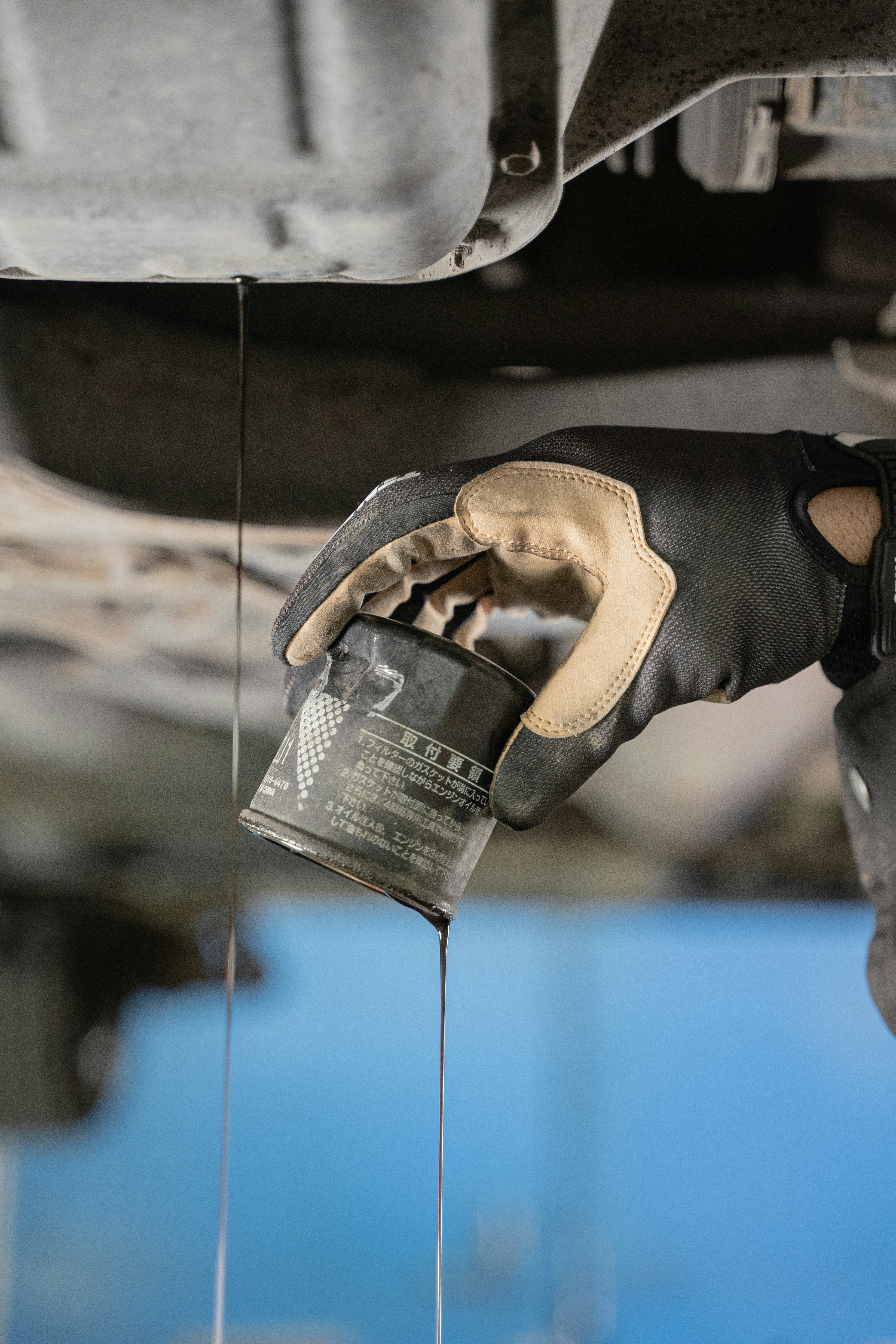
Introduction to the Importance of Oil Changes
Regular oil changes are a fundamental aspect of vehicle maintenance that plays a crucial role in ensuring the health and longevity of an engine. Oil serves as the lifeblood of an engine, facilitating smooth operation by lubricating moving parts, reducing friction, and aiding in temperature regulation. Over time, motor oil can become contaminated with dirt, debris, and combustion byproducts, which diminishes its effectiveness and can lead to engine wear and tear.
Neglecting to change the oil at recommended intervals can result in serious consequences for vehicle performance and durability. For instance, old oil loses its ability to properly lubricate the engine components, which can cause overheating and increased friction. This, in turn, may lead to engine damage, reduced fuel efficiency, and ultimately expensive repairs or replacements. Additionally, worn-out oil can fail to remove engine sludge, which can accumulate and block vital passages, contributing to further engine complications.
Understanding oil change basics is essential for vehicle owners, as it empowers them to make informed decisions regarding their maintenance routines. Regular oil changes not only enhance vehicle performance but also contribute to overall safety on the road. By recognizing the significance of timely oil changes, drivers can mitigate the risk of breakdowns and extend the lifespan of their vehicles. In the following sections, this guide will explore common mistakes made during oil changes, providing insights into how to avoid them and ensure optimal engine performance.
Mistake 1: Ignoring Oil Change Intervals
One of the most prevalent mistakes drivers make is ignoring the recommended oil change intervals outlined in their vehicle’s owner manual. These intervals are not arbitrary; they are specifically designed to ensure the optimal functioning of the engine and to prolong its lifespan. Engine oil serves as a lubricant, cooling agent, and cleanser, and over time, it can break down and lose its effectiveness due to heat, contaminants, and normal wear and tear. By neglecting timely oil changes, individuals risk diminishing their engine’s performance and efficiency, which could lead to costly repairs and reduced vehicle longevity.
It is essential to understand that oil change intervals may vary depending on the type of oil used—conventional or synthetic, and the driving conditions in which the vehicle operates. For example, those who frequently drive in extreme temperatures, stop-and-go traffic, or on rough roads may require more frequent oil changes compared to those who mostly drive on highways. As such, adhering to the manufacturer’s recommendations is crucial for maintaining engine health.
To keep track of oil change schedules effectively, vehicle owners can employ various methods. Many modern vehicles come equipped with oil life monitoring systems that provide reminders based on driving habits and engine conditions. Alternatively, drivers may choose to maintain a logbook where they record dates and mileage from their last oil change. Another effective strategy is to set calendar alerts or use mobile apps dedicated to vehicle maintenance management. By following these guidelines and diligently tracking oil change intervals, car owners can significantly reduce the risk of engine wear and damage caused by insufficient lubrication.
Mistake 2: Using the Wrong Oil Type
Choosing the appropriate oil type for your vehicle is crucial for its optimal performance and longevity. One of the most common mistakes made during oil changes is the use of an incorrect oil type, often stemming from a misunderstanding of oil specifications and requirements. This includes selecting the wrong viscosity, opting for conventional oil when synthetic oil is recommended, or neglecting to consider the manufacturer’s guidelines.
To avoid this pitfall, it is essential to familiarize oneself with the oil labels. Each oil container typically displays its viscosity grade and the type of oil, such as conventional, synthetic, or a blend. Viscosity grades are represented by the numbers preceded by the letter ‘W’ (for winter), followed by another number that indicates the oil’s performance at higher temperatures. For instance, an oil labeled 5W-30 maintains its viscosity at both low and high temperatures, making it suitable for a range of operating conditions. Consulting the owner’s manual can provide valuable insights into the recommended oil viscosity and type, tailored to the specific engine requirements.
Additionally, the chemistry of oil plays a significant role in engine health. While conventional oil may suffice for older vehicles, modern engines often benefit from the enhanced performance characteristics of synthetic oils, including better lubrication under high temperatures and improved resistance to breakdown. Thus, using the recommended oil type promotes better fuel economy, increases engine protection, and extends the intervals between oil changes.
In instances of doubt, seeking professional advice from qualified technicians can elucidate these oil change basics further. They can help decipher the specifications of the recommended oil types and guide customers in making informed choices, ensuring their vehicles receive the best possible care.
Mistake 3: Skipping the Oil Filter Change
One of the prevalent mistakes made during oil changes is overlooking the importance of changing the oil filter concurrently. The oil filter plays a crucial role in maintaining engine health by removing contaminants and debris from the engine oil as it circulates. When an oil filter becomes clogged or fails to function efficiently, it can severely impact engine performance and longevity. Neglecting to replace the old oil filter can lead to poor oil flow, increasing the risk of engine wear and tear.
In a conventional oil change process, the oil filter should always be changed alongside the old oil. This preserves the integrity of the new oil and ensures that the engine is receiving purified lubrication. When the filter is not replaced, it can trap dirt and grime, which can corrupt the newly added oil, leading to an accumulation of harmful particles within the engine. Ultimately, failing to change the oil filter may diminish the advantages of a fresh oil change.
To establish an effective routine for changing both oil and the filter, vehicle owners should consider adhering to a maintenance schedule based on manufacturer recommendations or regular usage patterns. It is advisable also to maintain a record of the oil change dates and filter replacements, which can help monitor both the oil and filter conditions over time. Additionally, make it a habit to inspect the oil filter at every oil change interval; this practice enables early detection of wear and ensures that you are not compromising lubricating quality due to a neglected filter. In conclusion, ensuring that both the oil and oil filter are changed together is a fundamental aspect of oil change basics that cannot be overlooked to maintain optimal engine performance.
Mistake 4: Overfilling or Underfilling Engine Oil
When it comes to oil change basics, one of the most crucial aspects is maintaining the correct oil level in your engine. Both overfilling and underfilling engine oil can lead to serious issues that may compromise the performance and longevity of your vehicle. Therefore, understanding how to check oil levels accurately is essential to prevent these common pitfalls.
Overfilling engine oil can create excessive pressure in the crankcase, leading to foaming of the oil and inadequate lubrication of essential engine components. This foaming can impede the oil pump’s ability to circulate oil effectively, potentially resulting in engine damage over time. Furthermore, the excess oil may also find its way into the combustion chamber, causing increased emissions and potentially damaging spark plugs and catalytic converters.
On the other hand, underfilling engine oil presents its own set of problems. When the oil level is too low, vital engine components may not receive sufficient lubrication, leading to increased friction and wear. This scenario can also result in overheating, as oil serves not only as a lubricant but also as a coolant for the engine. If the oil warning light appears on your dashboard, it’s crucial to check oil levels immediately to avoid catastrophic engine failure.
To ensure that engine oil levels remain within the recommended range, checking the oil with proper procedures is essential. Begin by keeping the vehicle on a level surface and allowing the engine to cool down. Remove the dipstick, wipe it clean, and reinsert it fully before taking a reading. The oil level should fall between the designated markers on the dipstick. If necessary, add oil gradually and reassess until the correct level is achieved. By adhering to these oil change basics, you can contribute to the overall health of your engine and prevent costly repairs.
Mistake 5: Neglecting to Check for Leaks
A common oversight that many vehicle owners make during an oil change is neglecting to check for leaks. Ensuring there are no leaks post-service is crucial for maintaining the engine’s health and performance. Oil leaks can lead to significant engine damage if left unaddressed. Therefore, it’s essential to incorporate leak inspection as an integral part of oil change basics.
After completing an oil change, one of the first steps should be to carefully inspect the areas around the oil filter and drain plug. These components are often the primary sites for potential leaks. A visual check can reveal any signs of oil pooling under the vehicle or spots on the pavement. If any oil seems to be seeping from these areas, it could indicate a poorly secured filter or drain plug that requires immediate attention.
Additionally, it is wise to perform a thorough check both before and after the oil change. Before beginning, reviewing the engine compartment for any pre-existing leaks is beneficial. This not only helps in identifying previous issues but also prepares you for what to expect after the oil change is completed. Following the oil change, let the vehicle run for a few minutes and then turn it off, allowing time for oil to settle. Check again for leaks under the vehicle and around the engine compartment, ensuring that everything remains secure and intact.
Overall, incorporating leak inspection into your oil change routine can prevent costly repairs and ensure that your vehicle operates efficiently. Detection of minor leaks early can save you from major issues down the line. By dedicating a few moments to this task, you are taking a critical step in adhering to proper oil change basics, safeguarding your engine’s longevity.
Mistake 6: Using Dirty or Contaminated Oil
Using clean oil is vital for the optimum performance and longevity of an engine. Many vehicle owners may overlook the importance of oil cleanliness, mistakenly believing that the brand or type of oil is the sole factors in engine care. However, utilizing old or contaminated oil can cause severe damage, leading to expensive repairs. Oil serves the crucial role of lubricating engine parts, removing debris, and minimizing friction. When oil becomes dirty or contaminated, it loses these functions, resulting in increased wear and tear on engine components.
Contaminated oil can manifest in various ways, including unusual engine noises, a decline in fuel efficiency, or the presence of sludge. If you notice any of these signs, it is essential to assess the oil condition immediately. Regularly checking the oil level and its appearance can help prevent these complications. Clean oil should be clear and smooth, while contaminated oil may appear dark and gritty. Recognizing these changes is a significant step in following oil change basics.
Proper storage of oil is also crucial in maintaining its quality. When purchasing oil for an oil change, ensure that it is stored in a cool, dry place and kept tightly sealed to prevent contamination. Additionally, always check the oil’s expiration date and ensure compatibility with your vehicle’s engine specifications. Avoid mixing different types or brands of oil, as this can lead to unexpected chemical reactions that compromise engine performance.
Ultimately, understanding the consequences of using dirty or contaminated oil allows vehicle owners to adopt better maintenance practices. Maintaining clean oil in your engine protects against potential damages and ensures optimal performance, paving the way for a reliable and efficient vehicle.
Mistake 7: Not Properly Disposing of Old Oil
Proper disposal of used engine oil is a critical aspect of oil change basics that is often overlooked by vehicle owners. Disposing of old oil improperly can have significant environmental consequences, as used engine oil contains harmful substances that can contaminate soil and water sources. When oil is dumped down drains, in landfills, or on the ground, it poses a risk to local ecosystems and wildlife. Furthermore, oil spills can lead to severe long-term pollution issues that affect the health of communities and the quality of natural resources.
To avoid these pitfalls, it is essential to educate yourself on responsible disposal options available in your area. Many communities have recycling programs specifically designed for hazardous materials like used motor oil. These programs ensure that the oil is processed and recycled correctly, preventing it from causing environmental harm. Additionally, local auto shops and service centers often accept used oil, making it convenient for vehicle owners to drop off their old oil at a designated location.
It may also be helpful to check if your area has any designated collection events, where residents can bring hazardous waste, including old engine oil, for safe disposal. Participating in such events not only ensures the oil is disposed of responsibly but can also contribute to community efforts aimed at reducing environmental impact.
In conclusion, understanding the importance of proper disposal can help mitigate the negative effects associated with used engine oil. By adopting responsible practices, you not only take care of your vehicle through regular oil change but also play an essential role in protecting the environment for future generations. Always seek out recycling options and take the necessary steps to ensure that your old oil is disposed of safely and ethically.
Best Practices for Effective Oil Changes
Performing an oil change is a vital task in vehicle maintenance, ensuring optimal engine performance and longevity. To execute successful oil changes, adhering to best practices can significantly reduce the risks of common mistakes and enhance the efficiency of the process.
First and foremost, it is essential to gather all necessary tools and materials before starting the oil change. This includes a wrench, oil filter wrench, oil drain pan, funnel, and fresh oil. Additionally, having the correct type and amount of oil specified for your vehicle is crucial. Refer to the owner’s manual for specifications to avoid inadvertently using unsuitable oil, which could lead to complications later on. Investing in quality tools can also streamline the oil change, minimizing the potential for errors.
Working safely is another critical aspect. Always engage the parking brake and work on a flat surface. Use jack stands if the vehicle is lifted, ensuring it is stable. Wearing appropriate protective gear, such as gloves and safety goggles, can guard against accidents and oil spills. It is advisable to allow the engine to cool before starting the oil change to prevent burns and skin irritation.
Utilizing a checklist can further enhance the oil change process. This checklist should encapsulate steps like draining the old oil, replacing the oil filter, and filling with new oil. By following a systematic approach, you ensure that nothing is overlooked, thereby avoiding potential issues in the future. Furthermore, consider scheduling oil changes at regular intervals, depending on the manufacturer’s recommendations, to maintain your vehicle’s health effectively.
By integrating these best practices for oil change basics, DIY enthusiasts will improve not only their efficiency but also maintain the integrity of their vehicles.
Conclusion: Key Takeaways for Successful Oil Changes
In the realm of vehicle maintenance, comprehending oil change basics is essential for ensuring optimal automotive performance. Regular oil changes contribute significantly to the longevity of your engine, enhancing its efficiency and preventing costly repairs. Throughout this blog post, we have explored several common mistakes made during oil changes, emphasizing the importance of adhering to recommended practices.
One of the main points discussed was the necessity of utilizing the correct type and grade of oil. Using inappropriate oil can lead to inadequate lubrication, resulting in increased friction and engine wear. Additionally, it is crucial to respect oil change intervals as outlined by manufacturers. Many drivers often underestimate the significance of following these guidelines, leading to potential engine damage over time.
Another critical aspect we highlighted is the importance of replacing the oil filter during each oil change. This simple task ensures that impurities do not compromise the quality of the new oil. Furthermore, adhering to best practices for monitoring oil levels and conducting regular checks can avert situations where running low on oil could damage the engine.
Finally, utilizing the right tools and ensuring a safe working environment during the oil change process cannot be overlooked. Accidents can occur when proper precautions are not observed, and having the right equipment can make the process smoother and more efficient.
In conclusion, avoiding common mistakes during oil changes is vital for maintaining a vehicle’s health. By implementing the insights gained from this discussion, readers can enhance their automotive knowledge and practices. Regular oil changes, performed correctly, will greatly contribute to the overall functionality and longevity of their engines, ensuring a smooth driving experience.