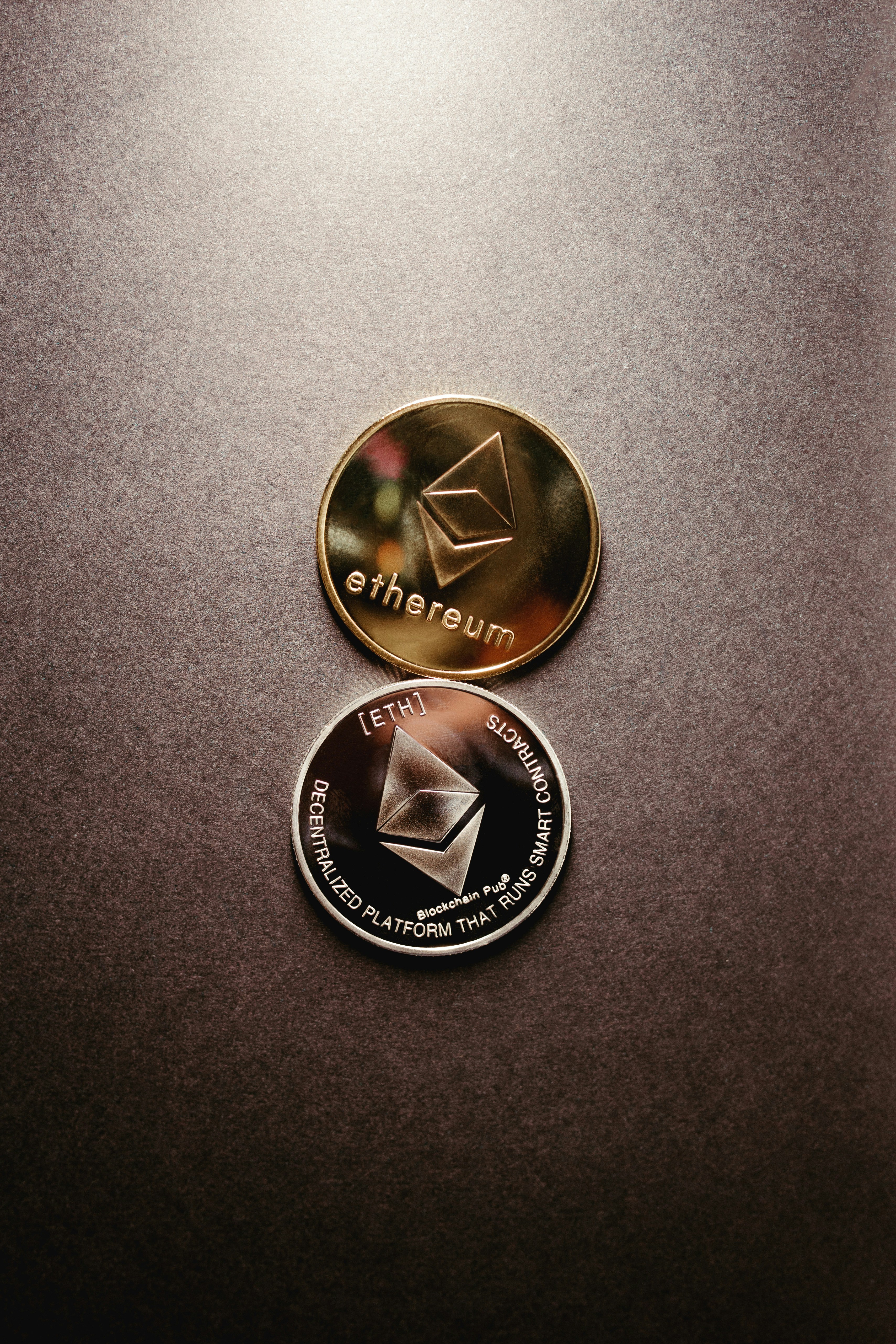
Introduction to Ethereum
Ethereum is a decentralized open-source blockchain platform that enables developers to build and deploy smart contracts and decentralized applications (dApps). Launched in July 2015 by a team led by Vitalik Buterin, Ethereum has established itself as a cornerstone of the blockchain ecosystem. The platform’s native cryptocurrency, Ether (ETH), serves not only as a medium of exchange but also as a necessary tool for executing smart contracts, thereby facilitating a wide range of decentralized solutions.
At its core, Ethereum was designed to improve upon Bitcoin by expanding the capabilities of blockchain technology beyond merely acting as a digital currency. While Bitcoin’s primary function is to facilitate peer-to-peer transactions, Ethereum introduces a programmable layer that allows developers to create complex applications directly on its blockchain. This functionality opens up numerous possibilities for innovation across various industries, from finance to gaming.
One of the critical features of Ethereum is its support for smart contracts, which are self-executing agreements with the terms directly written into code. These contracts automatically enforce the obligations agreed upon by the parties involved, eliminating the need for intermediaries and thus reducing transaction costs. Furthermore, decentralized applications (dApps) leverage these smart contracts to operate without a central authority, enhancing transparency and resilience against censorship. dApps can range from simple games to complex decentralized finance (DeFi) platforms and beyond, showcasing the versatility of Ethereum’s architecture.
As Ethereum continues to evolve, particularly with the upgrade towards Ethereum 2.0, its focus on scalability, security, and sustainability is set to enhance its influence on the global economy. With this groundbreaking technology, Ethereum redefines how value and trust are established in digital transactions, making it a pivotal component in the larger conversation surrounding blockchain solutions.
The Rise of Ethereum: Historical Context
Launched in 2015 by programmer Vitalik Buterin, Ethereum marked a significant evolution in the blockchain space, building upon concepts pioneered by Bitcoin. While Bitcoin successfully introduced the idea of decentralized digital currency, Ethereum expanded this vision by allowing developers to create decentralized applications (dApps) through smart contracts. Utilizing its native cryptocurrency, Ether (ETH), Ethereum empowers users and developers to participate in a variety of transactions and applications on its platform. This versatility has contributed to its rapid adoption and enduring relevance in the ever-evolving blockchain ecosystem.
Since its inception, Ethereum has undergone several pivotal upgrades aimed at enhancing its functionality and addressing scalability concerns. Notable upgrades, such as the Homestead release in 2016 and the Byzantium and Constantinople upgrades in 2017 and 2019, respectively, have introduced significant improvements in security, transaction speed, and overall user experience. Each of these milestones played a crucial role in establishing Ethereum as a leading platform for innovation in the blockchain space.
The last few years have witnessed the astounding rise of decentralized finance (DeFi) and non-fungible tokens (NFTs) on the Ethereum blockchain. The emergence of DeFi platforms has revolutionized traditional financial services by enabling users to lend, borrow, and trade cryptocurrencies without relying on centralized institutions. This shift redefined finance and attracted a new wave of users interested in exploring a decentralized economic system. Likewise, NFTs gained popularity, enabling digital ownership of unique assets and reshaping the art and entertainment industries. Together, these developments underscored Ethereum’s pivotal role in the blockchain ecosystem, making it indispensable for many users and part of the broader conversation about the future of decentralized technologies.
Key Features of Ethereum
Ethereum, as a leading blockchain platform, offers a range of distinctive features that set it apart from its alternatives. Central to its appeal are smart contracts, which are self-executing contracts with terms directly written into code. This functionality allows for automation in transactions and agreements, eliminating the need for intermediaries and reducing the risk of fraud. The ability to create decentralized applications (dApps) further enhances Ethereum’s versatility, enabling developers to build a wide variety of services ranging from finance to gaming.
Another integral aspect of Ethereum is the concept of gas fees. These fees are essential for the execution of transactions and smart contracts on the network, providing an incentive for miners to validate these operations. Gas fees can vary based on network congestion and the complexity of transactions, making it crucial for users to understand how these costs can impact their activities on the platform. By optimizing gas fees and selecting appropriate times for transactions, users can save considerably, thereby enhancing their experience in utilizing Ethereum.
The Ethereum Virtual Machine (EVM) is another key feature, serving as the runtime environment for executing smart contracts. The EVM allows for the seamless execution of code and is crucial for maintaining the decentralized nature of the network. Its ability to support several programming languages adds to Ethereum’s flexibility, attracting a broad developer community.
Moreover, the upcoming transition from Proof of Work (PoW) to Proof of Stake (PoS) with Ethereum 2.0 is a significant development. This change promises to enhance scalability, security, and sustainability for the network. By reducing energy consumption and increasing transaction throughput, Ethereum 2.0 aims to solidify its standing in the blockchain space and address network limitations currently experienced under the PoW mechanism.
An Overview of Alternative Blockchains
As the landscape of blockchain technology continues to expand, several alternative blockchains to Ethereum have emerged, each with unique features and functionalities. One notable alternative is Binance Smart Chain (BSC). BSC operates in parallel with the Binance Chain, offering smart contract capabilities while maintaining low transaction fees and high throughput. Its compatibility with the Ethereum Virtual Machine (EVM) allows developers to easily migrate their Ethereum-based dApps, making it an appealing option for those seeking alternatives without significant adjustments.
Another noteworthy contender is Solana, which has gained significant traction due to its high-speed transaction capabilities and robust scalability. Utilizing a unique consensus mechanism called Proof of History (PoH), Solana allows for faster and more efficient processing of transactions compared to Ethereum. This distinct approach positions Solana as a favorable platform for decentralized applications (dApps) that prioritize speed and performance, such as decentralized finance (DeFi) and non-fungible tokens (NFTs).
Cardano presents an alternative approach with its research-driven model and a focus on sustainability and scalability. Using the Ouroboros consensus algorithm, Cardano emphasizes security while facilitating the development of dApps through its multi-layer architecture. Designed to be energy-efficient, Cardano aims to offer a more eco-friendly solution in comparison to Ethereum’s current Proof of Work system.
Lastly, Polkadot distinguishes itself by promoting interoperability among multiple blockchains. Its unique multi-chain architecture enables different blockchains to communicate and share information, simplifying cross-chain functionality. Polkadot’s dynamic governance model allows token holders to influence protocol changes, fostering an environment conducive to innovation and adaptability.
In summary, the diverse alternatives to Ethereum each possess distinct advantages and target different use cases, from transaction speed to eco-friendliness and interoperability. As the blockchain ecosystem evolves, understanding these alternatives can help users make informed decisions regarding their technology choices.
Performance Metrics
When evaluating Ethereum basics against its alternatives, performance metrics such as transaction speed, throughput, and scalability solutions take center stage. Ethereum, the leading platform for decentralized applications, traditionally faced challenges related to scalability, particularly during peak network usage. In contrast, several alternatives have emerged, each implementing various technological innovations to enhance performance.
Transaction Speed and Throughput
Ethereum typically processes between 15 to 30 transactions per second (TPS). This limitation often leads to network congestion, resulting in slower confirmation times and higher transaction fees during periods of high demand. Alternatives like Binance Smart Chain and Solana boast significantly higher TPS, with Solana processing up to 65,000 TPS, thanks to its unique consensus mechanism known as Proof of History. This stark difference in transaction speed highlights one of the key performance advantages that alternatives may offer over Ethereum.
Scalability Solutions
Scalability solutions play a pivotal role in handling network congestion. Ethereum has been actively implementing Layer 2 solutions, such as rollups and state channels, to improve its scalability and reduce transaction costs. Rollups, for instance, batch multiple transactions into a single one, effectively alleviating congestion on the Ethereum network. In comparison, alternative platforms often adopt native solutions, like sharding or different consensus algorithms, to enhance their scalability from the ground up. For instance, Polkadot utilizes a unique multi-chain architecture that allows different blockchains to operate concurrently, thus preventing congestion and ensuring scalability.
Conclusion
In essence, when comparing the performance and scalability of Ethereum basics to its alternatives, it becomes evident that while Ethereum is a pioneer in the blockchain space, it faces limitations in transaction speed and throughput. Alternative platforms, employing diverse technological approaches, may provide improved scalability and performance, thereby catering to the growing demands of decentralized applications.
Security and Decentralization: A Comparative Analysis
The security protocols and decentralization features of a blockchain are pivotal factors influencing user choice. Ethereum, as one of the pioneering platforms, employs a robust security model based on its consensus mechanism. Initially, Ethereum utilized Proof of Work (PoW), which, while effective, posed certain vulnerabilities to attacks, including mining monopolization and the potential for a 51% attack. However, the significant migration to Proof of Stake (PoS) has introduced an environment wherein actors are financially disincentivized from malicious activities. This transition not only enhances security but also promotes decentralization by encouraging a dispersed validator network.
In comparing Ethereum with its alternatives, one important aspect to note is the historical context of each platform’s vulnerabilities. For example, some alternatives, such as Binance Smart Chain, while offering quick transaction times, have encountered issues with centralization, leading to a concentration of power among fewer entities. This centralization compromises the inherent security benefits associated with a decentralized network, increasing risks of hacks and fraud.
The impacts of historical breaches illustrate the importance of strong security protocols. Ethereum faced notable challenges in its early days, particularly with the DAO hack in 2016, which, while a setback, spurred improvements in system security. Conversely, some alternatives have experienced recurrent vulnerabilities post-launch due to their rapid rollout without extensive auditing or community scrutiny, reflecting a trade-off between speed and security.
In essence, users should weigh Ethereum’s established security features against the potential pitfalls of less mature platforms. The integration of robust security measures, combined with a strong decentralized framework, makes Ethereum a compelling choice for those prioritizing security in their blockchain interactions. The evolving landscape requires careful consideration to ensure that users select a platform that not only meets their needs but also aligns with their security expectations.
Use Cases: When to Choose Ethereum vs Alternatives
The choice between Ethereum and its alternatives depends significantly on the specific use case and requirements of a given project. Ethereum, as one of the most prominent decentralized platforms, is particularly well-suited for various applications, spanning enterprise solutions, NFT (Non-Fungible Token) projects, and decentralized finance (DeFi) platforms. Understanding the nuances of each blockchain can aid developers and businesses in making informed decisions.
For enterprise applications, Ethereum offers robust smart contract capabilities and a vast ecosystem of developers and tools. This makes it an ideal choice for businesses looking to integrate blockchain tech into their operations. With Ethereum’s established infrastructure, companies can leverage existing frameworks to build and deploy applications efficiently. Alternatives such as Hyperledger or Corda could also be considered, especially for permissioned networks, which prioritize privacy and control, but may lack Ethereum’s broader community and resources.
In the realm of NFT projects, Ethereum holds a significant advantage due to its pioneering role in this space. The ERC-721 and ERC-1155 standards have become benchmarks for NFT creation, ensuring compatibility across numerous platforms and marketplaces. While alternatives like Solana and Tezos also offer NFT functionalities, they may not possess the same level of traction and user engagement as Ethereum. This is particularly important when projects aim to reach a wide audience, leveraging established networks for greater visibility.
When it comes to DeFi platforms, Ethereum remains the leader, hosting a majority of popular projects and offerings. Its liquidity, developer activity, and variety of protocols make it the go-to platform for DeFi innovation. Alternatives such as Binance Smart Chain and Avalanche provide quicker transaction times and lower fees; however, they may not offer the same extensive ecosystem that Ethereum does, which can be a critical factor for developers and users alike.
Ultimately, the decision to select Ethereum or an alternative blockchain will depend on the specific needs of a project, its audience, and the desired outcomes. Evaluating each option in relation to the project requirements can contribute to a successful deployment and adoption of blockchain technology.
The Future of Ethereum and Its Competitors
The evolution of blockchain technology is rapidly changing the landscape in which Ethereum operates, as well as that of its competitors. A significant aspect influencing this dynamic is the maturation of Ethereum itself, particularly with the impending upgrades set to enhance scalability, sustainability, and overall efficiency. The transition to Ethereum 2.0, which introduces a proof-of-stake consensus mechanism, marks a pivotal shift toward reducing energy consumption and improving transaction speeds. This progression is essential, as the network aims to accommodate the growing number of decentralized applications (dApps) and facilitate more users without succumbing to high fees associated with congestion.
In parallel, several alternative blockchains, such as Cardano, Solana, and Polkadot, are advancing their unique features and use cases. These platforms often prioritize scalability and ease of use, which may attract developers and users who favor lower costs and faster transaction times. Additionally, some competitors are focusing on interoperability, allowing seamless integration between multiple blockchain networks, potentially rendering Ethereum’s dominance less secure. Developers and investors are increasingly considering these alternatives, driven by a combination of factors including technology, costs, and community support.
Furthermore, market predictions suggest that as the blockchain space grows, competition will intensify. User choices may be significantly influenced by the perceived long-term viability of each platform. Innovations in decentralized finance (DeFi), non-fungible tokens (NFTs), and other emerging sectors will likely determine the future relevance of Ethereum and its rivals. As more projects emerge and mature, key trends such as user-centric design, enhanced protocols, and strategic partnerships will shape which platforms become leaders in the blockchain sphere. In conclusion, understanding Ethereum basics alongside the advancements of its competitors is vital for individuals looking to navigate this evolving landscape effectively.
Conclusion: Making an Informed Choice
As the landscape of blockchain technology evolves, understanding the Ethereum basics becomes increasingly essential for potential users and investors. Ethereum stands out as one of the premier blockchain platforms, known for its smart contract capabilities and extensive ecosystem. However, the necessity to evaluate alternatives cannot be overlooked, as various platforms present distinct advantages and features that cater to different needs.
When making a decision, it is crucial to prioritize your specific requirements, whether they pertain to personal projects, business applications, or investment strategies. Factors such as transaction speed, scalability, fees, security, and community support play a significant role in this evaluation. For instance, some alternatives to Ethereum might offer lower fees or faster transaction times, which can be advantageous depending on your objectives. Alternatively, Ethereum’s established reputation and robust developer community provide a level of trust and support that can be invaluable.
It is also important to consider the long-term outlook of the platforms you evaluate. While Ethereum continues to update and improve through its transition to Ethereum 2.0, addressing issues of scalability and environmental concerns, some alternatives may offer innovative solutions or specialized functionalities that present compelling opportunities. Engage with marketplaces, developer forums, and technical documentation to better grasp the nuances of each platform.
Ultimately, making an informed choice between Ethereum and its alternatives will stem from careful consideration of your specific needs, thorough research, and a clear understanding of the Ethereum basics in comparison to other blockchain technologies. By weighing these factors, you can determine which platform aligns best with your goals and aspirations in the ever-expanding world of blockchain.