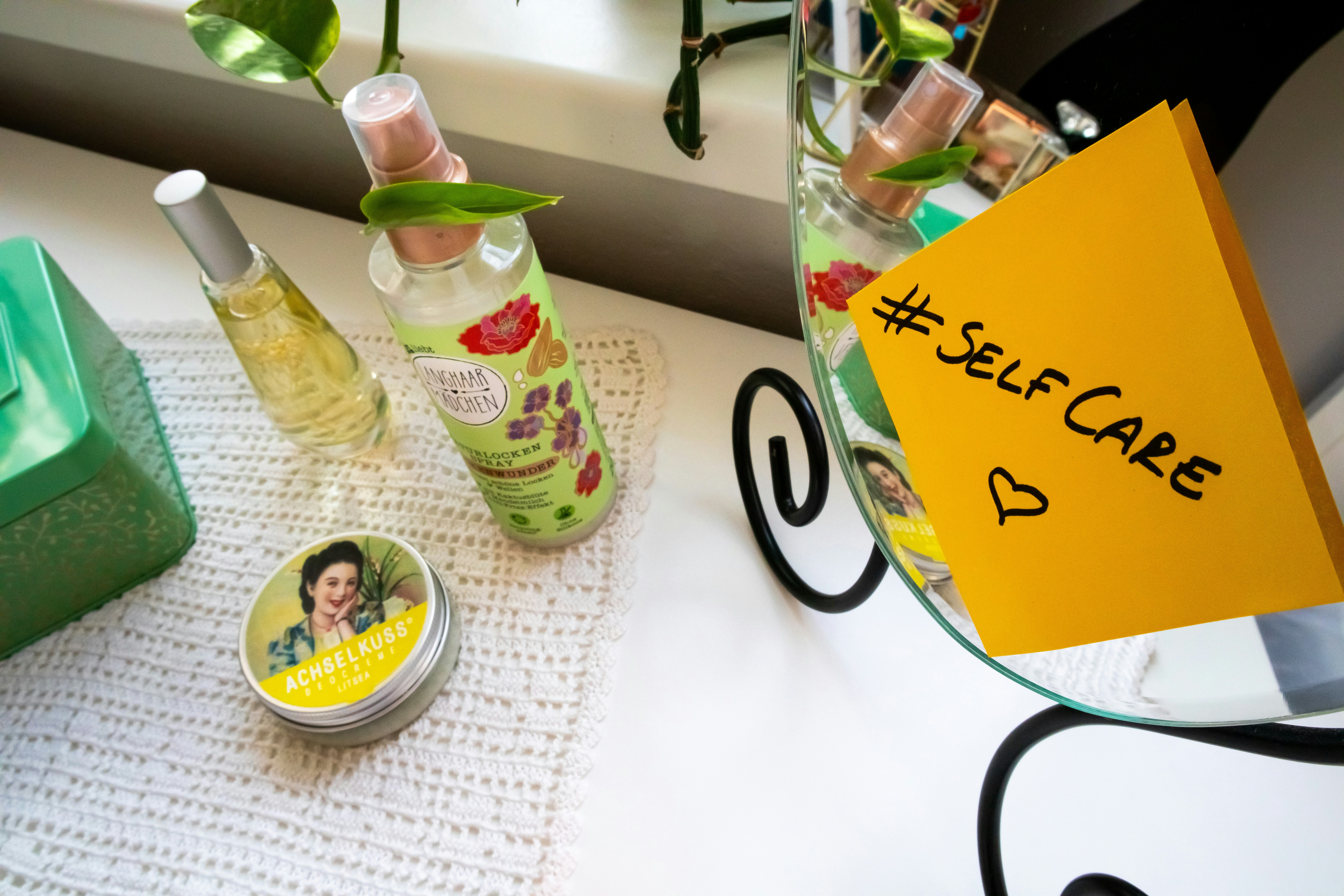
Introduction to Self-Care
Self-care is a multifaceted concept that encompasses a variety of activities and practices aimed at enhancing an individual’s overall well-being. It involves taking intentional actions to preserve or improve one’s physical, mental, and emotional health. In an era characterized by constant demands and relentless pace, self-care has transcended from being a mere luxury to an essential component of a balanced lifestyle. As the pressures of work, family, and societal expectations mount, the significance of cultivating a sustainable self-care routine becomes increasingly paramount.
The importance of self-care cannot be overstated. Engaging in regular self-care practices allows individuals to restore their energy, manage stress, and improve their emotional resilience. Physically, self-care includes activities such as maintaining a nutritious diet, exercising regularly, and ensuring adequate rest, all of which benefit bodily health. On the mental and emotional fronts, practices such as mindfulness, meditation, and journaling can foster a sense of calm and clarity amid life’s uncertainties.
A sustainable self-care routine not only addresses immediate needs but also incorporates practices that can be maintained over time. This involves assessing one’s preferences and values to ensure that the selected activities align with individual lifestyles. Adopting a long-term perspective is crucial; without sustainability, the chances of reverting to patterns of neglect in self-care can rise, especially during hectic periods.
As society becomes increasingly aware of the toll that neglecting self-care can take on overall health, there is a growing recognition of the need for a pragmatic and sustainable approach. Therefore, establishing a self-care regimen that is realistic, enjoyable, and manageable is imperative for fostering long-term well-being and resilience. As we delve further into this guide, we will explore effective strategies for building a personal self-care routine that not only enhances quality of life but also promotes sustained health benefits.
Understanding Your Needs
Establishing a sustainable self-care routine begins with a thorough understanding of one’s individual needs and preferences. This self-assessment process is crucial, as it enables individuals to tailor their self-care practices to effectively address their unique circumstances. Engaging in self-evaluation allows a person to gain insight into various aspects of their well-being, including physical health, emotional stability, and mental resilience.
To start, consider mapping out your physical health. Evaluate your current level of fitness, dietary habits, and sleep patterns. Acknowledging how these factors impact your daily energy levels and overall well-being can guide you in selecting appropriate activities. For instance, if you recognize that regular exercise boosts your mood, integrating activities such as walking, yoga, or swimming into your routine may be beneficial.
Next, focus on emotional health by reflecting on your feelings and how they fluctuate over time. Identifying stressors, triggers, and sources of joy can illuminate paths for emotional self-care. Journaling or practicing mindfulness meditation may reveal patterns in your emotional responses, thereby revealing what truly nurtures your sense of peace and relaxation. Consider the activities that elicit joy in your life; it could be creative endeavors, connecting with loved ones, or even quietude.
Mental health is equally important in the self-discovery journey. Assessing cognitive functions such as memory, concentration, and stress management is pivotal. Techniques such as mindfulness and cognitive-behavioral practices can enhance mental clarity. By reflecting on your current mental state and understanding what provides relief from stressors, you can identify strategies that support your mental well-being.
Incorporating these reflections into your self-care routine creates a personalized approach, ensuring that the strategies employed resonate with your individual needs. This groundwork lays the foundation for crafting a self-care routine that is not only sustainable but also enriching for your overall health and well-being.
Setting Realistic Goals
Establishing a sustainable self-care routine begins with the formulation of realistic goals. The significance of aligning these objectives with the SMART criteria—Specific, Measurable, Achievable, Relevant, and Time-bound—cannot be overstated. This methodology serves to create clarity and focus, ensuring that self-care practices are not only desirable but also attainable. For instance, instead of a vague goal like “exercise more,” one might set a specific target such as “attend a yoga class twice a week.” This clear intention allows one to track progress and maintain motivation.
Measurability is another critical component. By defining success in quantitative terms, individuals can evaluate their adherence to these self-care routines. For example, if one aims to increase hydration as part of their self-care regimen, a measurable goal could be “drink eight 8-ounce glasses of water daily.” Such measurements facilitate accountability and enable individuals to celebrate small victories along the way.
Achievability ensures that self-care goals do not become an additional source of stress. Goals should be challenging yet attainable, taking into consideration one’s current lifestyle and commitments. For instance, a busy professional might find it unrealistic to dedicate hours daily to meditation; thus, a more achievable goal could involve starting with five minutes of mindfulness practice each morning.
Relevance is equally essential; self-care routines should align with personal values and needs. A goal of “reading one new book on self-improvement monthly” may resonate deeply with someone pursuing growth in this area. Lastly, by establishing time-bound deadlines, individuals can create a sense of urgency and track their commitment effectively. A time-bound example could include “complete a monthly digital detox for three days.” By adhering to these guidelines, individuals can establish a self-care routine that fosters well-being without the risk of burnout.
Incorporating Physical Self-Care
Maintaining physical well-being is an essential aspect of a sustainable self-care routine. It encompasses various elements, including proper nutrition, regular exercise, and adequate sleep, all contributing to our overall health. Each of these components plays a critical role in ensuring we feel physically energized, mentally sharp, and emotionally balanced.
Nutrition is foundational when it comes to self-care. A balanced diet rich in fruits, vegetables, whole grains, and lean proteins not only fuels the body but also supports mental clarity and emotional stability. Meal planning is an effective strategy for incorporating healthy eating into daily life. By dedicating time each week to plan meals, you can prepare nourishing options that align with health goals, making it easier to resist the temptation of fast food or unhealthy snacks.
Alongside nutrition, regular physical activity is vital. Establishing a workout routine that fits your lifestyle can be a transformative element of your self-care strategy. Aim for at least 150 minutes of moderate-intensity exercise each week. Whether it’s brisk walking, cycling, or engaging in yoga, find activities that you enjoy to enhance motivation. Additionally, consider mixing different types of workouts, such as strength training, aerobics, and flexibility exercises, to keep the routine dynamic and enjoyable.
Furthermore, sleep is often overlooked yet is crucial for physical self-care. A consistent sleep schedule can significantly enhance the quality of your rest. Aim to go to bed and wake up at the same time each day, including weekends. Creating a relaxing bedtime routine, such as reading or practicing mindfulness, signals the body that it is time to wind down, thus improving sleep quality.
Incorporating these physical self-care practices into your daily routine not only enhances your physical health but also promotes mental and emotional well-being. Prioritizing nutrition, exercise, and sleep is essential for achieving a holistic approach to self-care that is sustainable in the long run.
Prioritizing Mental and Emotional Well-being
Prioritizing mental and emotional well-being is fundamental to maintaining overall health and achieving a balanced lifestyle. Mental health directly influences how individuals think, feel, and act in their daily lives. Engaging in mental and emotional self-care practices can significantly enhance one’s resilience to stress and improve overall quality of life.
One effective strategy for promoting emotional wellness is mindfulness, which involves becoming more aware of the present moment and accepting thoughts and feelings without judgment. Mindfulness practices, such as meditation and deep breathing, help individuals cultivate a sense of calm and clarity, reducing anxiety and fostering a positive mindset. By incorporating mindfulness into daily routines, individuals can learn to manage stressors more effectively and improve their emotional responses.
Journaling is another valuable practice for prioritizing mental health. Writing regularly allows individuals to articulate thoughts and emotions, providing insight into personal experiences and behaviors. Journaling can serve as a therapeutic outlet, enabling self-reflection and clarity during challenging times. This practice can also help identify patterns in emotions, facilitating the development of healthier coping mechanisms.
Furthermore, seeking professional help from a therapist or counselor can be a crucial component of emotional self-care. Trained professionals can offer personalized strategies and tools tailored to individual needs, supporting individuals as they navigate through life’s challenges. Many resources are available, including local mental health services, online therapy platforms, and support groups, which can make seeking help more accessible.
In addition to these strategies, developing a resilient mindset involves fostering positive relationships and surround oneself with supportive individuals. Engaging in conversations, sharing experiences, and participating in community activities can enhance emotional well-being, reinforcing the importance of connection in self-care practices.
Nurturing Relationships and Social Connections
Human connections are fundamental to a sustainable self-care routine. The relationships we cultivate with friends, family, and our community greatly influence our overall well-being. Positive social interactions not only provide emotional support but also foster a sense of belonging, which is essential for mental health. Through these connections, individuals can share experiences, exchange advice, and receive encouragement that can propel them towards personal growth.
To build and maintain a supportive social network, it is crucial to prioritize quality over quantity. Focus on nurturing deep and meaningful relationships with those who uplift and support you. Engaging in regular communication, whether through phone calls, text messages, or face-to-face meetings, can help keep these connections strong. Additionally, participating in community events or joining clubs based on shared interests can create new friendships and expand your social support system.
While nurturing relationships is vital, challenges may arise, particularly in the context of setting boundaries and managing toxic relationships. It is essential to recognize when a relationship is no longer beneficial to your mental and emotional health. Learning to assertively communicate your needs, as well as understanding when to distance yourself from negative influences, is a critical component of self-care. This might involve having difficult conversations or gracefully stepping back from relationships that are draining or detrimental.
Ultimately, the strength of your social connections can significantly enhance your self-care practice. Being surrounded by supportive individuals provides a buffer against stress and encourages personal resilience. By actively nurturing relationships and fostering social connections, individuals create a solid foundation that contributes to their overall health and well-being, forming an integral part of a sustainable self-care routine.
Creating a Daily Self-Care Ritual
Establishing a daily self-care ritual is essential for maintaining mental, emotional, and physical well-being. By dedicating time to self-care, individuals can enhance their resilience against daily stressors and create a balanced lifestyle. The key to success is integrating self-care activities into one’s daily routine in a manner that is both enjoyable and sustainable.
To begin crafting a daily self-care ritual, it is crucial to identify specific times during the day when these activities can be seamlessly incorporated. Many find that mornings and evenings provide the best opportunities for personal reflection and relaxation. For instance, starting the day with mindful practices, such as meditation or gentle yoga, can set a positive tone for the hours ahead. Engaging in activities that awaken the senses, such as a refreshing shower or savoring a nutritious breakfast, can significantly enhance the beginning of the day.
In the evening, it is equally important to allocate time for unwinding and reflecting on the day’s experiences. Activities such as reading, journaling, or taking a calming bath can serve as effective self-care practices. Creating a soothing environment with dim lighting, scented candles, or calming music can help foster relaxation, making it easier to disconnect from the stresses of daily life.
Moreover, ensuring consistency in these rituals is paramount. Scheduling self-care activities on a daily planner or setting reminders can help individuals prioritize these moments in their busy lives. It is also essential to personalize the self-care routine to fit one’s interests and preferences, as enjoyment is a significant contributor to sticking with these practices over time.
Ultimately, a daily self-care ritual should feel like an organic extension of one’s lifestyle, rather than an obligation. By embracing this daily commitment to self-care, individuals can cultivate a rewarding practice that nurtures their well-being and enriches their overall quality of life.
Adapting Self-Care for Different Seasons of Life
Life is characterized by constant change, and as we navigate through various stages, our self-care needs evolve accordingly. It is essential to recognize that self-care is not a one-size-fits-all approach but rather a dynamic practice that requires adaptation to ensure its effectiveness. New parents, for instance, may initially find themselves overwhelmed by the demands of caring for an infant. Their self-care routine might need to shift towards quick, restorative activities, such as short meditation sessions or brief periods of physical exercise that accommodate their unique time constraints. The importance of flexibility in such transitions cannot be overstated.
Similarly, individuals who are grappling with grief may require a different approach. Their self-care regimen might emphasize emotional processing through journaling or therapy, allowing for the expression of feelings in a safe space. During this season of life, self-care may also involve surrounding oneself with supportive friends and family, as social connections can play a vital role in healing. Establishing a routine that prioritizes moments of reflection and gives the individual grace to navigate their emotions is paramount.
Career changes also necessitate a re-evaluation of self-care practices. The stress associated with job transitions can manifest in various ways, making it crucial to engage in self-care activities that promote resilience and adaptability. This might include dedicating time to professional development through online courses, which can boost confidence and provide a sense of direction. Additionally, engaging in hobbies that bring joy can help to balance the stressors of change.
Ultimately, adapting self-care routines to align with life’s evolving seasons is an ongoing process that requires introspection and responsiveness. It encourages individuals to remain attuned to their personal needs and modify their practices accordingly, ensuring that self-care remains relevant and effective at every stage of life.
Evaluating and Adjusting Your Routine
The process of evaluating and adjusting your self-care routine is crucial for maintaining personal growth and ensuring that your practices continue to meet your evolving needs. Regular assessment allows individuals to identify what is working well and what might need modification. This reflection process can be carried out through various techniques, ensuring that self-care remains relevant and effective in enhancing well-being.
One effective method for evaluating your routine is to keep a self-care journal. Documenting your thoughts, experiences, and feelings related to your practices enables you to track progress over time. By reviewing this journal, you can identify patterns and recognize which activities contribute positively to your mental, emotional, and physical health.
Consider establishing a regular review period—such as monthly or quarterly—dedicated to assessing your self-care strategies. During these reviews, reflect on your energy levels, mood, and overall satisfaction with life. Are there specific activities that consistently uplift you? Conversely, are there practices that you find burdensome or unfulfilling? This critical thinking can provide valuable insights into your self-care effectiveness.
It is equally important to remain flexible in your approach. As life circumstances change, your self-care routine may require adjustments to reflect new priorities or goals. For example, if you find yourself with increased responsibilities at work, you might need to incorporate shorter, more efficient self-care practices, such as brief mindfulness exercises or walking breaks. Modifying your routine to suit your lifestyle’s demands is not indicative of failure; rather, it demonstrates an understanding of your needs and a commitment to self-care.
In conclusion, evaluating and adjusting your self-care routine is a vital practice that promotes ongoing personal development. By employing reflective techniques and remaining adaptable, you can create a sustainable self-care framework that nurtures your growth and well-being over time.