Understanding Hormonal Balance
Hormonal balance plays a crucial role in maintaining overall health and well-being. Hormones, which are biochemical messengers produced by the endocrine system, significantly influence various bodily functions, including mood, metabolism, and physical vitality. When hormonal levels are optimized, individuals often experience improvements in energy, mood stability, and metabolic efficiency. Conversely, hormonal imbalances can lead to a multitude of health issues, emphasizing the importance of understanding and addressing these delicate biochemical interactions.
Common hormonal imbalances can manifest in various ways and are often triggered by factors such as diet, stress, sleep patterns, and lifestyle choices. Symptoms may include mood swings, unexplained weight gain or loss, fatigue, or reproductive issues. For instance, an imbalance of estrogen and progesterone can lead to premenstrual syndrome (PMS), while insufficient cortisol can result in adrenal fatigue. Similarly, thyroid hormone imbalances can affect metabolic rates and energy levels. Recognizing these symptoms is essential in identifying an imbalance and taking corrective measures.
A balanced diet plays a pivotal role in supporting hormonal health. Nutrient-dense foods that are rich in vitamins, minerals, healthy fats, and proteins help regulate hormone production and maintain equilibrium within the body. Incorporating a variety of whole foods such as fruits, vegetables, lean proteins, and healthy fats can provide the necessary building blocks for hormone synthesis. Additionally, avoiding processed foods, excessive sugar, and trans fats are crucial in preventing further imbalances and promoting optimal hormonal function.
In summary, understanding hormonal balance is vital for maintaining overall health. By recognizing the symptoms of imbalances and making necessary dietary adjustments, individuals can help support their hormonal health and experience improved physical and emotional well-being.
Key Hormones and Their Dietary Needs
The human body relies on hormones to regulate numerous physiological processes, including metabolism, mood, and overall health. Among the critical hormones are insulin, cortisol, estrogen, and testosterone, each with specific dietary requirements that influence their production and balance.
Insulin, produced by the pancreas, plays a vital role in glucose metabolism. A diet high in refined carbohydrates can lead to insulin resistance, increasing the risk of type 2 diabetes. To maintain healthy insulin levels, it is advisable to consume complex carbohydrates, such as whole grains, legumes, vegetables, and fruits, which provide a slow release of glucose. Additionally, incorporating fiber-rich foods and healthy fats can help stabilize blood sugar levels and promote optimal insulin sensitivity.
Cortisol, often referred to as the stress hormone, is produced by the adrenal glands in response to stressors. An excessive intake of sugar and caffeine can lead to elevated cortisol levels and imbalance. To support adrenal health and cortisol regulation, it is beneficial to include anti-inflammatory foods such as nuts, seeds, leafy greens, and fatty fish. Adaptogens, like ashwagandha and rhodiola, can also be included in the diet to help the body cope with stress and maintain hormonal balance.
Estrogen and testosterone, the key sex hormones, have different dietary needs. Estrogen levels may be supported by consuming phytoestrogens, which can be found in foods such as flaxseeds, soy products, and whole grains. Incorporating healthy fats and antioxidants from fruits and vegetables can aid in the production of testosterone. Nutrients like zinc found in nuts and seeds are essential for optimal testosterone levels, while Vitamin D helps regulate both estrogen and testosterone.
Recognizing the specific dietary needs of these key hormones is crucial for maintaining hormonal balance and overall health. A well-rounded diet emphasizing whole, nutrient-dense foods can support the body in regulating hormone levels effectively.
Food Groups to Include in a Hormone-Friendly Diet
Creating a balanced hormone diet plan requires a careful selection of food groups that support hormonal balance and overall wellbeing. This section outlines essential categories that should be incorporated into such a diet, emphasizing the role they play in promoting hormone health.
First and foremost, healthy fats are pivotal for hormone production and regulation. Foods rich in omega-3 fatty acids, such as fatty fish (salmon, mackerel), walnuts, and flaxseeds, can significantly enhance hormonal function. These fats are not only essential for cellular health but also help in managing inflammation levels, which is crucial for maintaining hormonal balance.
Lean proteins serve as another foundational element in a hormone-friendly diet. Sources such as chicken, turkey, legumes, quinoa, and tofu provide amino acids necessary for hormone synthesis and repair. Incorporating a variety of protein sources ensures adequate intake of all essential amino acids, which play critical roles in the body’s biochemical processes.
Whole grains should also be a staple in a balanced diet aimed at hormone regulation. Options like brown rice, barley, and oats are rich in fiber, which aids in digestion and helps to regulate blood sugar levels. By stabilizing blood sugar, these grains can prevent spikes in insulin that may disrupt hormonal balance.
Furthermore, fruits and vegetables are vital in any balanced diet due to their abundance of vitamins, minerals, and antioxidants. Leafy greens like spinach and kale, along with colorful fruits such as berries and citrus, are excellent choices that support detoxification processes. These foods assist in eliminating excess hormones and toxins, which is important for sustaining hormonal equilibrium.
Incorporating these food groups into a balanced hormone diet plan provides a comprehensive approach to ensuring that hormonal health is prioritized and maintained. By focusing on healthy fats, lean proteins, whole grains, fruits, and vegetables, individuals can cultivate a diet that promotes optimal hormone function.
Foods to Avoid for Hormonal Balance
Maintaining hormonal balance is essential for overall health, and certain foods and substances can significantly disrupt this delicate equilibrium. To support hormonal health, it is crucial to identify and limit the consumption of specific items that are known to negatively impact hormone levels.
One of the primary categories of foods to avoid is refined sugars. These sugars are often found in processed foods, sugary beverages, and desserts. When consumed, refined sugars can cause spikes in insulin levels, which may result in insulin resistance over time. This condition can lead to various health issues, including increased fat storage, metabolic syndrome, and difficulties in weight management. Moreover, high sugar intake may contribute to mood swings, which can further disrupt hormone balance.
Another significant group that warrants attention is trans fats. Present in many fried foods and commercially baked goods, trans fats are linked to inflammation and oxidative stress, both of which can have adverse effects on hormone production and regulation. Furthermore, the consumption of trans fats is associated with increased levels of bad cholesterol (LDL) and decreased levels of good cholesterol (HDL), potentially leading to cardiovascular issues alongside hormonal imbalances.
Excessive caffeine is also a substance that can interfere with hormonal health. While moderate caffeine intake may have its benefits, overconsumption can lead to heightened cortisol levels, the stress hormone. Elevated cortisol may negatively affect mood, sleep quality, and metabolic functions, creating a cycle of hormonal chaos. As such, limiting caffeine consumption is advisable for those aiming to achieve a more balanced hormonal state.
In conclusion, avoiding refined sugars, trans fats, and excessive caffeine is fundamental to preserving hormonal balance. By being mindful of these foods, individuals can take significant steps toward achieving and maintaining optimal hormone health.
Sample Hormone Balance Meal Plan
Creating a meal plan that emphasizes hormone balance through nutrition involves selecting foods that support the body’s hormonal functions. Below is a sample one-week meal plan featuring breakfast, lunch, dinner, and snacks designed to promote hormonal health.
Day 1:
- Breakfast: Oatmeal topped with sliced bananas and chia seeds.
- Lunch: Quinoa salad with mixed greens, chickpeas, and a lemon-tahini dressing.
- Dinner: Grilled salmon with steamed broccoli and sweet potatoes.
- Snack: A small handful of almonds.
Day 2:
- Breakfast: Greek yogurt with blueberries and a sprinkle of flaxseeds.
- Lunch: Turkey and avocado wrap with whole grain tortillas.
- Dinner: Stir-fried tofu with bell peppers and brown rice.
- Snack: Sliced apple with almond butter.
Day 3:
- Breakfast: Smoothie with spinach, banana, and protein powder.
- Lunch: Lentil soup served with a side of whole grain bread.
- Dinner: Baked chicken breast with asparagus and quinoa.
- Snack: Carrot sticks with hummus.
Following the same structure, Days 4 through 7 can include diverse options such as:
- Breakfast: Whole grain toast with avocado and poached eggs.
- Lunch: Grilled vegetable salad with feta cheese.
- Dinner: Shrimp stir-fry with vegetables over brown rice.
- Snack: Cottage cheese with pineapple.
This sample meal plan comprises nutrient-rich foods that support hormonal harmony. Each day provides a balance of proteins, healthy fats, fibers, and vitamins, which contributes to overall well-being. Incorporating a range of ingredients helps to ensure that meals remain enjoyable and varied, thus fostering adherence to a hormone-friendly dietary regimen.
Nutritional Supplements for Hormonal Health
Maintaining a balanced hormonal system is essential for overall health, and nutritional supplements can play a significant role in achieving this balance. Certain supplements, such as omega-3 fatty acids, vitamin D, and probiotics, have been researched for their potential benefits in hormonal regulation. Understanding these options and their effects is crucial for anyone considering supplementation as part of their diet plan.
Omega-3 fatty acids, found in fish oil and certain plant oils, are renowned for their anti-inflammatory properties. They are thought to support hormone production and balance by promoting cellular health. Studies have shown that omega-3s may help alleviate symptoms of hormonal imbalance, such as mood swings and irregular menstrual cycles. A common recommendation is to consume 1,000 to 2,000 milligrams of fish oil daily, though individual needs can vary significantly. It is advisable to consult a healthcare professional before integrating omega-3 supplements into one’s routine.
Vitamin D, a fat-soluble vitamin synthesized by the skin upon exposure to sunlight, is vital for hormonal health. It aids in calcium absorption and plays a role in the regulation of insulin and reproductive hormones. Low levels of vitamin D have been associated with various hormonal imbalances. For optimal health, many experts suggest a daily dosage ranging from 600 to 2,000 IU, depending on individual factors. Again, consulting with a healthcare provider is essential to determine appropriate levels for each person’s needs.
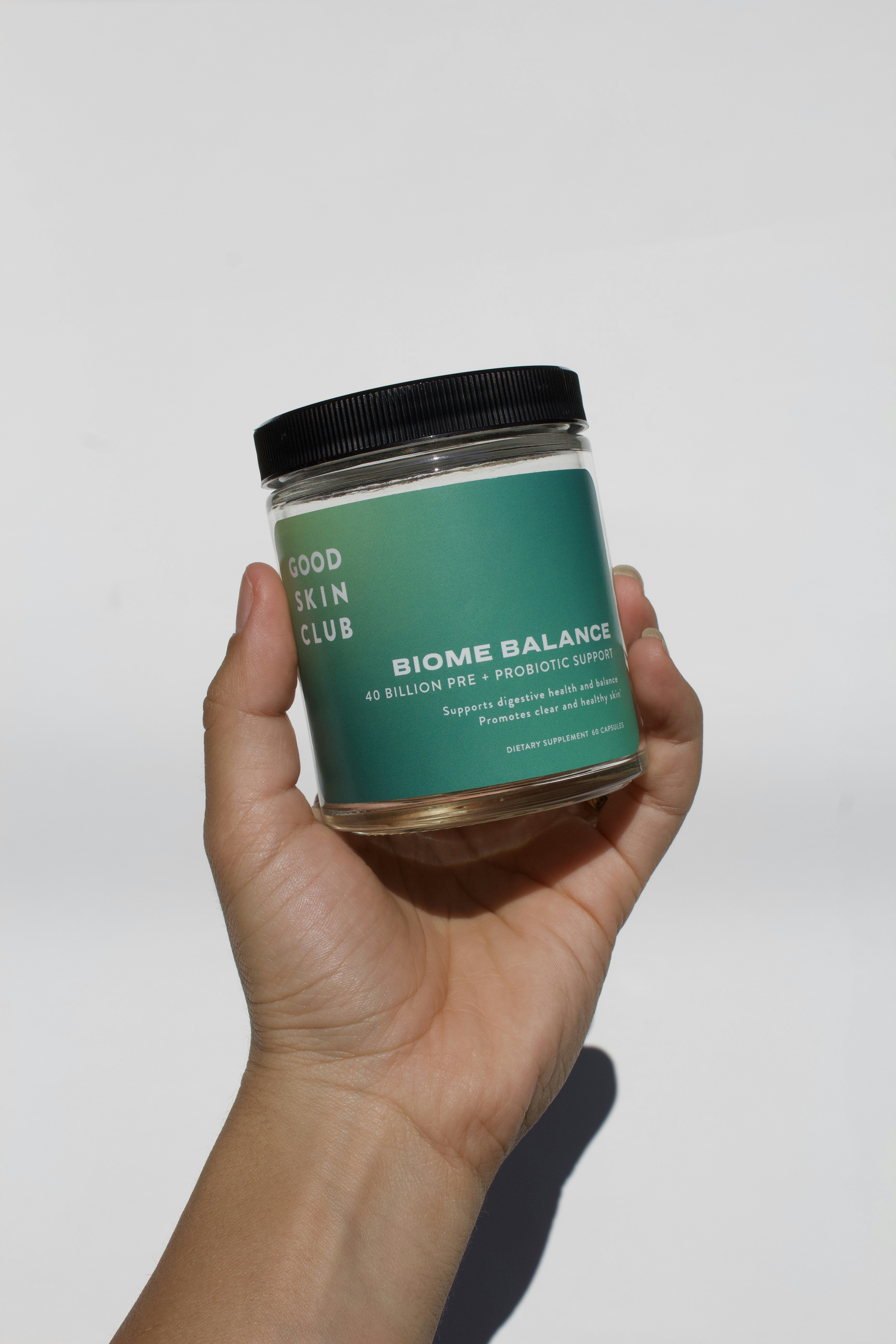
Probiotics, often termed “good bacteria,” are critical for gut health and can influence hormone balance through their role in digestion and inflammation modulation. An imbalance in gut microbiota can lead to disruptions in hormone levels, making probiotics potentially beneficial for restoring equilibrium. A daily intake of 1 to 10 billion CFUs (colony-forming units) is typically recommended, but individuals should seek guidance from a healthcare professional to ensure safe and effective use.
Lifestyle Changes to Support Hormonal Balance
Achieving hormonal balance requires a comprehensive approach that extends beyond dietary modifications. Lifestyle changes play a crucial role in enhancing the effectiveness of a hormone-focused diet. Among these adjustments, regular physical activity, effective stress management, and proper sleep hygiene are foundational to maintaining optimal hormonal health.
Regular exercise is a powerful tool for regulating hormones. Engaging in physical activity can help reduce levels of the stress hormone cortisol, which often disrupts hormonal equilibrium. This disruption can lead to a myriad of issues, including weight gain and mood swings. Aim for a combination of aerobic exercises, such as walking or cycling, and strength training activities to foster not only hormonal balance but also overall physical health. Additionally, incorporating practices like yoga or tai chi can provide both physical benefits and promote mindfulness, which is particularly beneficial for reducing stress.
Effective stress management is vital for hormonal stability. Techniques such as deep breathing exercises, meditation, or engaging in hobbies can significantly lower stress levels. Chronic stress can lead to an imbalance in hormones such as insulin and cortisol, which can have cascading effects on overall health. Finding effective ways to manage stress can create a more favorable environment for restoring hormonal balance.
Moreover, sleep hygiene is paramount in regulating hormones. Inadequate sleep can disrupt the hormonal signaling necessary for appetite regulation and metabolism. Prioritizing quality sleep by establishing a consistent sleep schedule, creating a restful environment, and limiting screen time before bed can enhance sleep quality. Studies show that improvements in sleep can significantly affect hormonal health, thereby facilitating the success of dietary efforts aimed at balance.
Incorporating these lifestyle changes—regular exercise, stress management techniques, and proper sleep hygiene—can create a supportive backdrop for any dietary plans aimed at achieving hormonal balance. By addressing both diet and lifestyle, individuals foster a holistic approach toward optimal hormonal health.
Monitoring Your Progress and Making Adjustments
To ensure the effectiveness of your balanced hormone diet plan, consistent monitoring of your progress is crucial. The impact of dietary changes on hormonal health can vary significantly among individuals, making it essential to understand how your body responds over time. One effective method for tracking your progress is to keep a detailed food and symptom journal. This should include daily records of what you eat, when you eat, and any symptoms experienced throughout the day. By identifying patterns between your diet and hormonal symptoms, you can make informed adjustments to better suit your needs.
In addition to a food and symptom journal, consider using wearable technology or mobile applications that can help monitor certain health metrics. For example, these tools can track factors such as sleep quality, menstrual cycle variations, and energy levels. This quantitative data can complement your qualitative observations, offering a more rounded view of how your balanced hormone diet plan is working. Regular assessments of such data can reveal important trends that inform necessary dietary modifications.
When observing the results of your dietary adjustments, it is vital to allow sufficient time for changes to take effect. Hormonal balances do not shift overnight; hence, patience is key. A typical timeframe for initial changes to manifest is typically around six to eight weeks. During this period, evaluate your well-being and any alterations in symptoms of hormonal imbalance. If you notice consistent improvement, it may be appropriate to continue with the current plan, whereas stagnation may necessitate further modifications.
In some cases, despite monitoring and adjustments, you may encounter persistent hormonal issues that warrant professional attention. Consulting with a healthcare provider or a nutritionist specializing in hormonal health can provide deeper insights and tailored recommendations. Ensuring that you remain proactive about your hormonal health through meticulous tracking and timely professional guidance will ultimately lead to a more successful and balanced diet.
Conclusion and Key Takeaways
In this comprehensive guide on creating a balanced hormone diet plan, we have explored several essential components that contribute to hormonal health. The foundation of a balanced hormone diet lies in understanding the intricate relationship between nutrition and hormone regulation. By focusing on whole foods, rich in nutrients, fiber, and healthy fats, individuals have the opportunity to positively influence their hormonal balance.
Throughout this blog post, we emphasized the significance of incorporating a variety of food groups into one’s diet. This includes fruits, vegetables, lean proteins, and whole grains, all of which provide essential nutrients. Specific foods such as avocados, nuts, seeds, and leafy greens are particularly beneficial, as they not only promote overall health but also support hormone production and balance. Likewise, maintaining adequate hydration and minimizing processed foods can further assist in regulating hormones effectively.
It is also crucial to acknowledge the impact of lifestyle factors, such as stress management, sleep quality, and physical activity on hormone health. Engaging in regular exercise can enhance hormonal function and improve mood, while practicing stress-reduction techniques can foster a more balanced hormonal environment. One should strive for a holistic approach when aiming for hormonal health, integrating dietary strategies with beneficial lifestyle habits.
As we conclude, the importance of a balanced hormone diet cannot be overstated. It serves as a vital tool for managing hormonal imbalances and promoting overall well-being. We encourage readers to take actionable steps towards implementing the strategies discussed in this guide. By making informed dietary choices, embracing healthy habits, and paying attention to the body’s signals, individuals can achieve a more harmonious balance in their hormonal health, leading to improved vitality and quality of life.