
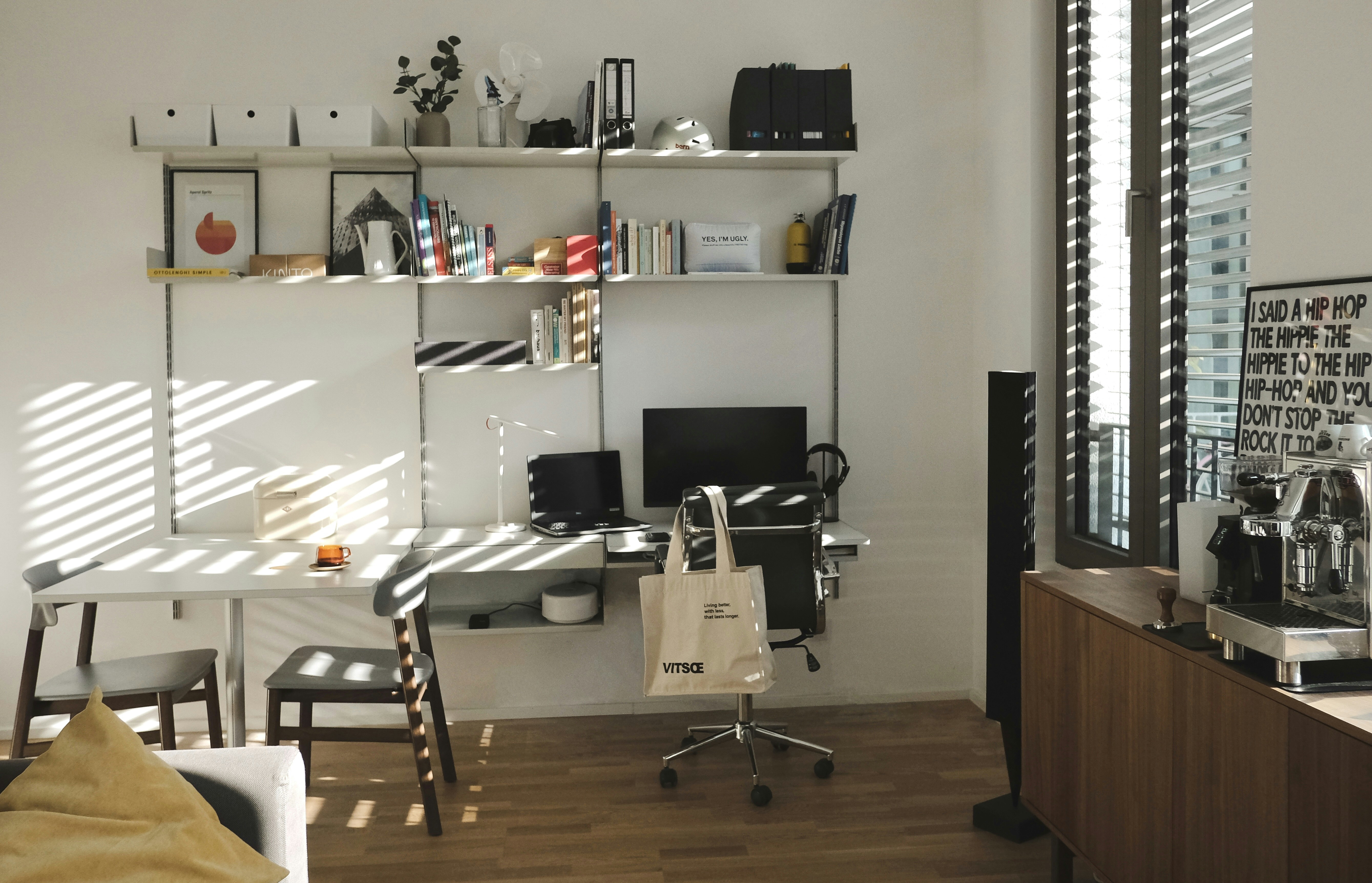
Introduction to Home Office Setup
In recent years, the landscape of work has undergone a significant transformation, particularly due to the increasing prevalence of remote work. As more individuals find themselves transitioning from traditional office environments to their homes, the importance of establishing a well-structured home office setup has never been more paramount. A thoughtfully designed workspace not only promotes productivity but also enhances comfort and contributes positively to overall work-life balance.
The concept of a home office transcends mere functionality; it encompasses a blend of ergonomics and aesthetics that can profoundly influence an individual’s work experience. A well-organized home office setup equips individuals with the necessary tools to work efficiently and comfortably. Ergonomic furniture, such as adjustable chairs and desks, can significantly reduce the risk of strain and discomfort, while also allowing for better posture during prolonged work sessions. Moreover, an aesthetically pleasing environment can uplift one’s mood and inspire creativity, thus contributing to enhanced productivity.
The rising significance of a home office reflects the broader shifts in workplace culture, where flexibility, comfort, and personalization are increasingly prioritized. Creating a dedicated workspace that resonates with one’s personal style can evoke a sense of ownership and drive, making it easier to separate personal and professional responsibilities. Furthermore, establishing a conducive home office environment can help mitigate distractions typical in a home setting, leading to improved focus and efficiency.
As we navigate this new era of work, understanding the essentials of a functional and aesthetically appealing home office setup has become crucial. This section sets the stage for exploring various aspects of home office design and functionality that cater to both physical well-being and visual appeal.
Understanding Ergonomics
Ergonomics is the scientific discipline focused on understanding human interactions with other elements in a system. In the context of a home office setup, ergonomics seeks to design a workspace that accommodates the user’s physical requirements, thereby promoting comfort and efficiency. An ergonomic workspace is not merely about aesthetics; it significantly enhances well-being by minimizing discomfort and the risk of strain-related injuries. These benefits contribute to improved posture and increased productivity, vital for those working from home.
One essential aspect of ergonomics is the consideration of body mechanics during various tasks. For instance, desk height should be adjustable to ensure that the elbows remain at a 90-degree angle when typing. This alignment can prevent unnecessary strain on the wrists and shoulders. Moreover, the chair selected should provide adequate lumbar support, encouraging a neutral spine position and reducing the likelihood of back pain. An ergonomic chair promotes not only comfort during long hours of work but also encourages regular movement and postural changes.
In addition to furniture, other equipment such as monitors and keyboards should adhere to ergonomic principles. The monitor should be positioned at eye level to prevent neck strain, while the keyboard should be placed at a distance that allows for relaxed shoulders and straight wrists. Utilizing external devices like wrist rests or ergonomic mice can further alleviate strain on the upper limbs.
Beyond physical comfort, an ergonomic workspace can significantly boost productivity. Employees and home-based professionals report that a well-structured environment allows them to focus better and accomplish tasks more efficiently. Consequently, investing in ergonomic furniture and equipment is not merely beneficial; it is essential for fostering a productive home office experience that prioritizes health and efficiency.
Choosing the Right Desk
When it comes to creating an effective home office setup, the desk is arguably one of the most essential components. The right desk not only enhances productivity but also contributes significantly to comfort and aesthetics. Various desk styles are available, including standing desks, adjustable desks, and traditional desks, each catering to different preferences and needs.
Standing desks have gained popularity for promoting an more active work style, minimizing the health risks associated with prolonged sitting. These desks often feature adjustable heights, allowing users to switch positions throughout the day, which can enhance energy levels and focus. On the other hand, adjustable desks offer similar benefits while retaining a more traditional appearance. They often come in various designs and materials, ensuring they can fit seamlessly into your home décor.
Traditional desks remain a staple in many home offices, featuring solid construction and a classic aesthetic. When selecting a traditional desk, it is essential to consider both the surface area and the materials used. A larger surface area allows for more workspace, accommodating essential tools such as monitors, keyboards, and documents. Choosing a desk made from high-quality materials will not only ensure durability but also contribute to the overall visual appeal of your workspace.
Height adjustment is also a critical feature to consider when choosing a desk. Ergonomics play a significant role in maintaining good posture and reducing strain during long working hours. A desk that can be tailored to your height will encourage healthier work habits. Thus, whether opting for a standing desk or a traditional model, prioritize ergonomics by assessing the desk’s adjustable capabilities, surface dimensions, and construction quality.
By carefully evaluating these aspects, you can select a desk that aligns with both your ergonomic needs and aesthetic preferences, creating a conducive environment for productivity in your home office.
Selecting an Ergonomic Chair
Choosing the right ergonomic chair is an essential step in establishing a home office that promotes comfort and productivity during long hours of work. An ergonomic chair is designed to support the body in a natural position, reducing the risk of strain and injury. The following features are significant when selecting an ergonomic chair: lumbar support, seat height adjustment, material, and wheel functionality.
Firstly, lumbar support is pivotal in maintaining the natural curve of your spine. A chair should provide adequate lumbar support that aligns with the lower back, preventing slouching. Look for models that allow you to adjust the lumbar support to ensure it fits your back perfectly. Adjustability is another vital feature; an ergonomic chair should have seat height adjustment capabilities. This allows users to ensure that their feet are flat on the ground, promoting proper posture and reducing fatigue over extended periods.
Next, consider the material of the chair, as it affects both comfort and aesthetics. High-quality fabrics or leather provide durability and ease of cleaning, while soft padding enhances comfort. Furthermore, breathable materials can help regulate temperature, keeping you comfortable even during long working sessions.
Wheel functionality cannot be overlooked either. A good ergonomic chair should have smooth-rolling wheels suitable for the flooring in your home office, enabling easy movement without strain. This mobility aspect is beneficial for reaching different areas of your workspace without awkward stretching.
Popular ergonomic chair options include the Herman Miller Aeron, known for its iconic design and advanced ergonomics, and the Steelcase Leap, which adapts to various postures. By carefully considering these essential features, you can select an ergonomic chair that not only complements your office’s aesthetic but also ensures long-term comfort and productivity.
Optimal Lighting for Productivity
Lighting plays a pivotal role in establishing an effective home office setup, as it significantly influences both mood and productivity. The right lighting can help reduce eye strain, enhance focus, and create an inviting atmosphere conducive to work. To achieve optimal illumination, it is essential to consider various types of lighting, including natural lighting, task lighting, and ambient lighting.
Natural lighting is often the most beneficial option, as it mimics daylight, enhances alertness, and supports overall well-being. Whenever possible, position your desk near a window to take advantage of natural light. This approach not only brightens the workspace but also creates an uplifting environment. However, it is essential to manage glare; using sheer curtains can soften the light and reduce harsh shadows.
Task lighting is equally critical, particularly for focused work that requires precision, such as writing or drawing. Desk lamps with adjustable brightness are excellent for providing concentrated light directly on your workspace. Dimmable task lights are advantageous, as they allow you to modify the intensity based on your current task or time of day. When selecting a desk lamp, consider a model with an adjustable arm to direct light exactly where it is needed, enhancing comfort and productivity.
Ambient lighting should not be overlooked, as it helps to create a balanced and harmonious environment. This type of lighting is generally softer and fills the entire room, reducing shadows and contributing to an overall inviting atmosphere. Incorporating multiple light sources, such as overhead lights or floor lamps, can improve the ambient light quality. In addition, using warm-toned bulbs can foster a calming effect, ideal for long periods of work.
To optimize your home office lighting, pay attention to the layering of these light types, strategically positioning them to promote an effective workflow. Balancing natural, task, and ambient lighting not only enhances productivity but also contributes to the overall aesthetic of your workspace.
Organization and Storage Solutions
Maintaining an organized workspace is paramount for fostering efficiency and enhancing focus within a home office. When all tools, documents, and resources are systematically arranged, distractions are minimized, allowing for a smoother workflow. Implementing suitable storage solutions not only contributes to a clutter-free environment but also plays a crucial role in improving productivity.
One of the most effective ways to ensure organization is through the use of filing cabinets. These cabinets are ideal for categorizing and storing important documents, keeping them out of sight yet easily accessible when needed. The advantage of a filing cabinet lies in its ability to provide a systematic approach to document management, which can significantly reduce time spent searching for vital papers. Opting for a cabinet with a lock can also add an extra layer of security for confidential information.
In addition to filing cabinets, shelving units serve as a versatile storage solution that can accommodate books, decorative items, and office supplies. By utilizing vertical space, shelving not only maximizes storage capacity but also enhances the aesthetic aspect of your home office. Consider incorporating open shelving to display meaningful items that inspire creativity while keeping necessities organized. This blend of function and style can contribute to an inviting office atmosphere.
Desk organizers are another essential component of an organized workspace. These tools facilitate the easy arrangement of smaller items such as pens, notepads, and electronic devices, effectively reducing clutter on the desk surface. By designating specific areas for different types of supplies, a desk organizer can streamline tasks and improve overall efficiency.
To maintain organization, it is effective to establish a routine for decluttering. Regularly assessing the workspace can prevent the accumulation of unnecessary items and ensure that only essentials remain. Adopting these organization and storage solutions will undoubtedly lead to a more functional and aesthetically pleasing home office environment.
Aesthetic Elements to Enhance Your Space
Creating a visually appealing home office is essential for fostering an environment that encourages creativity and productivity. The combination of thoughtful color schemes, art pieces, plants, and decorative accents can significantly enhance the ambiance of your workspace. One of the initial steps in this process is selecting a color scheme that resonates with your personal style while promoting a positive work atmosphere. Soft hues like blues and greens are known to induce calmness, whereas brighter colors like yellows and oranges can stimulate energy and creativity.
Wall art plays a pivotal role in establishing the overall aesthetic of your home office. Incorporating pieces that inspire you or reflect your interests can create a personal connection to the workspace. This can range from motivational quotes and abstract art to photographs and prints that evoke nostalgia. A well-chosen piece of art not only serves to beautify the space but also acts as a source of inspiration during long work hours.
In addition to color and art, integrating plants into your office setup can improve air quality and contribute to a serene atmosphere. The presence of greenery, such as succulents, ferns, or even larger potted plants, can introduce a touch of nature that promotes relaxation and focus. Studies have shown that plants can reduce stress levels, making them a perfect addition to any home office environment.
Lastly, decorative accents such as stylish desk organizers, unique lighting fixtures, and comfortable textiles can further enhance the aesthetic appeal of your workspace. These elements should harmonize with the overall theme of the room while adding functionality. By carefully curating your home office with these thoughtful aesthetic elements, you can create a space that not only looks appealing but also enhances motivation and creativity.
Technology and Accessories for Efficiency
In an era where remote work is increasingly prevalent, equipping a home office with the right technology and accessories is crucial for fostering productivity and maintaining comfort. The foundation of an efficient workspace often begins with a quality monitor. A screen that offers a high resolution and adequate size can significantly reduce eye strain, thereby enhancing workflow. Dual monitor setups are particularly beneficial for multitasking, allowing users to streamline tasks without constant switching between applications.
Complementing your monitor, an ergonomic keyboard and mouse can transform your typing experience. Keyboards that are designed to reduce wrist strain, such as split or mechanical options, can contribute to overall well-being during prolonged working hours. Similarly, an ergonomic mouse facilitates a natural hand position, which can prevent repetitive strain injuries. It is essential to select these tools based on personal comfort and typing habits, ensuring they integrate smoothly into the workspace.
Effective cable management tools are essential in maintaining the aesthetic appeal of a home office. Utilizing cable clips, sleeves, or under-desk trays can help conceal unsightly wires, creating a tidy environment. This organization not only enhances the visual aspect of the workspace but also promotes safety by reducing the risk of tripping hazards. Additionally, sound systems or quality headphones can further augment the working environment, providing clarity and focus during tasks. Acoustic panels may also be considered to minimize distractions from external noise, creating a conducive atmosphere for productivity.
In conjunction with these essentials, integrating technology such as adjustable desks or smart lighting can significantly uplift both functionality and visual appeal. With thoughtful consideration of technology and accessories, professionals can build a home office that not only promotes efficiency but also remains visually pleasing.
Personalizing Your Workspace
Creating a home office that truly resonates with your personality can significantly enhance your productivity and overall satisfaction. Personalization is not merely an aesthetic endeavor; it plays an essential role in making you feel more comfortable and inspired during working hours. When considering how to personalize your workspace, think about integrating items that reflect your unique style and interests while still maintaining a professional outlook.
One effective way to add personal touches is through family photos or treasured memorabilia. Framing photographs of loved ones or displaying meaningful keepsakes on your desk or shelves can provide a sense of warmth and connection, reminding you of your support system even when you are immersed in work. However, it is crucial to curate these items thoughtfully to avoid clutter, which can detract from a professional appearance.
In addition to personal photos, consider incorporating creative items that resonate with you. Artworks, inspirational quotes, or even small sculptures can add character to your workspace. Opting for decor that aligns with your branding or professional mission can also strengthen your office’s aesthetic while reinforcing your goals. For instance, a vision board can serve as both an artistic display and a motivational tool, visually guiding you toward your professional aspirations.
Plants are another excellent option for personalizing your home office. They not only enhance the decor but also improve air quality and create a calming atmosphere. Choose a few low-maintenance varieties to ensure that they thrive despite your busy schedule. A balance of personal touches, aesthetic appeal, and a functional layout is essential to crafting a home office that truly reflects who you are while supporting your professional endeavors.