
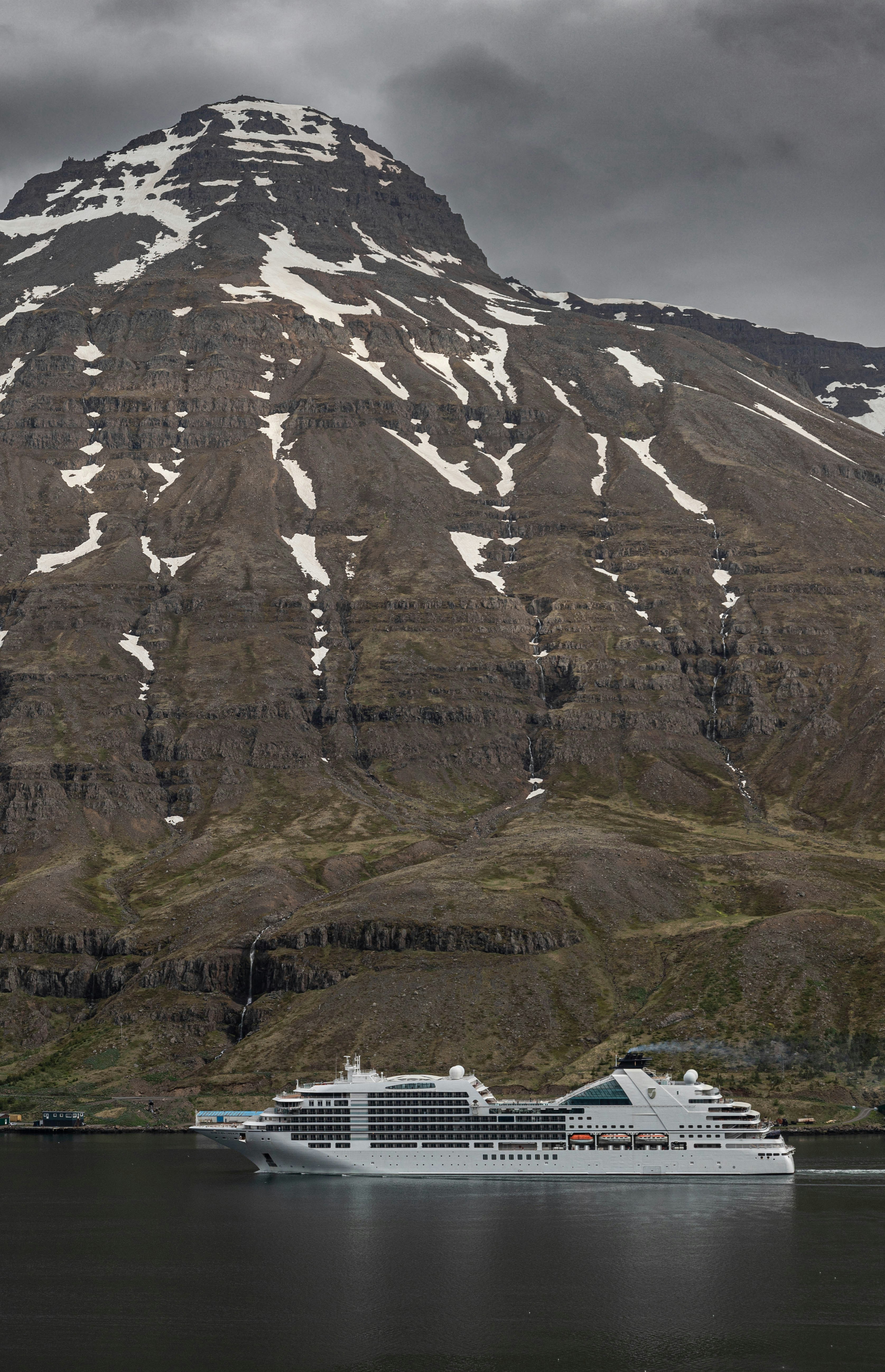
Understanding Vacation Styles
Choosing a vacation style is a significant aspect of travel planning, as it can greatly influence the overall experience. Two popular vacation styles are cruises and overland travel, each offering unique advantages and catering to different traveler preferences. Understanding the distinctions between these two approaches is crucial for travelers seeking to maximize their enjoyment and satisfaction during their journeys.
Cruising typically involves traveling on a large ship, where the vessel serves as both transport and accommodation. This style allows travelers to visit multiple destinations without the inconvenience of frequent packing and unpacking. Onboard amenities, such as dining options, entertainment, and leisure activities, add to the convenience and comfort of cruising. Many travelers appreciate the all-inclusive nature of cruises, which often encompass meals, accommodations, and onboard activities, allowing for streamlined planning and fewer logistical concerns.
In contrast, overland travel emphasizes exploring destinations through land transport, be it via cars, buses, or trains. This style offers a more immersive experience, allowing travelers to engage with local communities, landscapes, and cultures in a way that a cruise may not facilitate. Overland travel can include extended road trips or guided tours, providing the opportunity to discover hidden gems and off-the-beaten-path locations. The flexibility in itinerary and the chance to interact directly with locals often appeal to those seeking depth in their travel experiences.
The choice between cruises and overland travel heavily depends on individual preferences, interests, and travel goals. Factors such as the desired pace of travel, types of destinations, budget, and social interaction level will influence a traveler’s decision. By examining the unique characteristics of each vacation style, travelers can better align their choice with their passions, ensuring a rewarding and memorable adventure.
Overview of Cruise Vacations
Cruise vacations have gained significant popularity as a preferred choice for travelers seeking a seamless getaway. Offering a unique blend of relaxation and adventure, cruises allow passengers to explore multiple destinations while enjoying luxurious amenities onboard. Generally, cruise options can be classified into two main categories: ocean cruises and river cruises. Ocean cruises typically embark on expansive seas, catering to those looking for grand voyages that include multiple port calls, whereas river cruises focus on exploring the quaint charm of cities and towns along inland waterways.
One of the distinguishing features of cruise vacations is the convenience they offer. Travelers enjoy the ease of unpacking once in their staterooms while their floating hotel transports them to various locales, from the Caribbean islands to the scenic fjords of Norway. This ability to traverse diverse countries and cultures, all while indulging in luxurious accommodations, makes cruises highly appealing.
In addition to convenience, cruise vacations provide a wide array of experiences tailored to various preferences. Many cruise lines pride themselves on their all-inclusive amenities, which typically cover meals, entertainment, and accommodations. Passengers can enjoy gourmet dining options, captivating live performances, and numerous recreational activities while sailing. Whether it’s lounging by the pool, participating in fitness classes, or enjoying spa treatments, cruise vacations ensure there is something for everyone.
Popular cruise destinations abound, with each offering unique landscapes and experiences. The Caribbean remains a staple, known for its azure waters and vibrant cultures. Alternatively, European river cruises unveil the rich history and architecture of cities like Budapest and Amsterdam, allowing travelers to dock directly in the heart of urban centers. In conclusion, cruise vacations offer a compelling option for those looking to explore diverse destinations while enjoying premium amenities and a hassle-free travel experience.
Overview of Overland Travel
Overland travel represents a distinct style of vacationing that prioritizes immersion and exploration over traditional holiday experiences. Encompassing various methods such as road trips, train journeys, and backpacking, this mode of travel allows adventurers to traverse landscapes and cultures in a manner that often leads to memorable encounters and discoveries. Travelers opting for overland experiences can enjoy a level of flexibility in their itineraries, providing them the chance to linger in captivating locations or alter their routes spontaneously, based on personal interests and recommendations from fellow travelers.
One of the significant benefits of overland travel lies in the ability to explore off-the-beaten-path destinations that may be inaccessible via mainstream tourist routes. These hidden gems often offer a glimpse into authentic local lifestyles, allowing immersive experiences that are rarely afforded in more conventional travel formats. Whether it’s trekking through picturesque mountain ranges or meandering along scenic coastal roads, overland journeys invite individuals to connect deeply with their surroundings and engage meaningfully with local communities.
Common means of transportation in overland travel vary widely and can cater to different preferences and budgets. Comfortable tour buses or rugged 4×4 vehicles may be used for group excursions, while independent travelers often rely on personal vehicles, bicycles, or even hitchhiking for their explorations. Additionally, trains present a fusion of nostalgia and practicality, allowing passengers to sit back and enjoy panoramic views of the passing landscapes, enhancing the overall travel experience. Ultimately, overland travel stands as an appealing option for those seeking adventure and an authentic connection to the places they visit, setting it apart from more leisurely vacation alternatives.
Comparing Itineraries: Cruises vs. Overland
When considering a vacation, the choice between a cruise and overland travel largely depends on one’s preferences for itinerary structure and travel experience. Cruises offer a well-defined schedule with port visits, meaning travelers enjoy a predetermined number of days spent at sea followed by structured stops at various destinations. These itineraries are meticulously planned, often featuring multiple activities and excursions curated by the cruise lines. Passengers typically engage in guided tours that showcase local attractions, landmarks, and cultural experiences as part of their cruise excursions. While this format is convenient for those seeking a hassle-free experience, it can also limit the degree of spontaneity associated with travel.
In contrast, overland travel is characterized by a greater degree of flexibility and freedom. The itineraries in this style of vacationing can range from completely structured guided tours to loose itineraries that allow for self-directed exploration. Overland travelers can customize their plans to include off-the-beaten-path destinations, allowing for a deeper engagement with the local culture and environment. This flexibility often translates into opportunities for discovering hidden gems, participating in local activities, and adjusting plans based on personal interests and timing. Moreover, the travel style can encompass various modes of transport such as buses, trains, or even biking, enhancing the overall adventure.
Ultimately, both cruise and overland travel can offer enriching experiences, but the nature of the itineraries varies significantly. The structured environment of cruise itineraries caters to those who prefer a planned approach, while overland travel appeals to those who value adaptability and a more immersive experience. Travelers should assess their personal preferences and consider how each vacation style aligns with their expectations for exploration and adventure.
Cost Considerations for Each Style
When it comes to planning a vacation, understanding the cost implications of different travel styles is crucial. Cruises and overland travel often appeal to different types of travelers, and each has its own unique cost structure. For cruises, expenses typically encompass cabin pricing, onboard dining, excursions, and gratuities. The pricing for cabins varies significantly depending on location, size, and amenities. Many trips feature incremental costs for shore excursions, which can enhance the experience but may also accumulate quickly. Additionally, travelers should budget for onboard expenses like drinks, specialty dining, and additional entertainment options, which can lead to unexpected charges if not accounted for in advance.
On the other hand, overland travel offers a more flexible budget approach. However, it comprises its own set of financial considerations. Travelers must account for expenses such as fuel, which can fluctuate based on destination and vehicle efficiency. Accommodations vary widely in price, ranging from budget-friendly hostels to luxury hotels, offering options for travelers with different financial capacities. Food costs may also vary, depending on whether one opts for dining out at local restaurants or preparing meals. Moreover, activities and entertainment may add additional costs but can often provide more immersive experiences at lower prices compared to cruise excursions.
When weighing the budget between cruises and overland travel, one must consider personal preferences along with intended travel experiences. While cruises provide an all-inclusive feel with structured itineraries, the additional expenses related to onboard luxuries can rise substantially. Conversely, overland travel offers flexibility and potentially lower costs, provided one manages expenses such as accommodation and fuel effectively. Identifying which vacation style aligns best with your financial goals can significantly enhance overall satisfaction. In conclusion, exploring the cost structures of both options will enable travelers to make informed decisions based on their budget and travel expectations.
The Social Experience: Cruising vs. Overland
When considering the social dynamics of travel, cruising and overland adventures present distinct experiences that cater to varying preferences for interaction and community engagement. Cruise ships are often described as floating cities, designed to facilitate social interaction among passengers. The communal atmosphere is palpable, as guests are encouraged to participate in shared dining experiences, onboard activities, and entertainment options. From live performances to game nights, cruise liners provide numerous opportunities for individuals to mingle and forge friendships with fellow travelers. The sheer size of these vessels facilitates a vibrant social environment where diverse groups come together, creating a sense of belonging even amongst strangers.
In contrast, overland travel tends to emphasize a more intimate approach, frequently consisting of smaller groups or even solo exploration. This style can foster a different kind of social interaction, where travelers may engage more deeply with a limited number of companions. While this can lead to strong bonds within small groups, it may lack the spontaneity of the larger, more diverse social settings found on cruise ships. Many overland trips prioritize cultural immersion, inviting social engagement with local communities rather than relying solely on interactions with fellow travelers. Such experiences can lead to meaningful connections, albeit often in a more subdued and structured environment.
The choice between cruising and overland travel hinges significantly on an individual’s social preferences. Those who thrive in vibrant, energetic communal settings may gravitate toward the cruise experience, while those who value deeper connections within smaller circles should consider overland options. Regardless of the preference, each travel style offers unique opportunities to meet new people and create lasting memories, underscoring the varying social dimensions of both methods of exploration.
Environmental Impact of Each Travel Style
When considering the environmental impact of travel styles, both cruises and overland journeys present distinct ecological footprints. Cruise ships are notorious for their significant emissions, with large vessels often consuming vast amounts of fuel while traversing oceans. The combustion of these fuels leads to the release of greenhouse gases and pollutants, contributing to climate change and ocean acidification. Additionally, cruise ships can generate substantial waste, including sewage and garbage, which may find its way into pristine waters if not managed properly. Some estimates suggest that a single cruise ship can produce waste equivalent to that of a small city.
In contrast, overland travel typically varies in its environmental impact based on the mode of transportation. For instance, traveling by bus or train generally results in a lower carbon footprint compared to individual car travel or air transportation. Public transportation can reduce emissions per passenger significantly, promoting a more sustainable way to explore new destinations. Moreover, hiking and cycling are among the most eco-friendly travel options, allowing travelers to engage with nature while minimizing their ecological impact. However, the use of fossil fuel-powered vehicles for overland travel can still contribute to environmental degradation if not managed with sustainability in mind.
Both the cruise and overland industries are increasingly aware of their environmental responsibilities and are implementing initiatives to reduce their ecological footprints. Cruise lines are investing in cleaner technologies, such as liquefied natural gas (LNG), which emits fewer pollutants. They are also adopting waste management practices that adhere to strict regulations to protect marine environments. Meanwhile, many overland companies are focusing on reducing carbon emissions, utilizing electric vehicles, and promoting eco-tourism, encouraging travelers to participate in responsible and sustainable travel practices. Understanding these factors is essential for making informed choices and minimizing our impact on the planet.
Travel Demographics: Who Prefers What?
The decision between choosing a cruise or overland travel often correlates with specific demographic factors including age, family status, and lifestyle preferences. Understanding these demographics can help potential travelers identify which vacation style aligns with their personal circumstances and travel companions.
In general, cruises tend to attract a diverse age range of travelers. Families with children appreciate the kid-friendly amenities and organized activities offered on cruise ships, making this option appealing for family vacations. On the other hand, older adults might favor cruises for their ease and comfort, as many cruise lines cater specifically to this demographic with accessible facilities and medical services onboard. Popular cruise itineraries to warm destinations also appeal to retirees seeking relaxation. In contrast, younger travelers, particularly millennials and Gen Z, often gravitate towards overland travel. This preference is driven by an eagerness to explore off-the-beaten-path destinations and engage in immersive cultural experiences that overland trips can provide.
Another key demographic factor is lifestyle. Adventure enthusiasts are more likely to choose overland travel, as it allows for activities such as hiking, biking, or wildlife expeditions that are less common on cruises. Furthermore, individuals who prioritize flexibility and spontaneity in their travel plans may find overland tours more suitable, as they often allow for dynamic itineraries compared to the fixed schedules of cruise itineraries.
Travelers who prioritize convenience and a worry-free experience might lean toward cruises, where accommodation, dining, and entertainment are all bundled together. Understanding these travel demographics enables individuals to better assess their preferences and aids in selecting a vacation style that best fits their group composition and desired experience.
Making Your Decision: Factors to Consider
When contemplating whether to embark on a cruise or engage in overland travel, it is essential to evaluate several key factors to ensure your vacation aligns with your expectations and desires. Firstly, consider your travel goals. Are you seeking relaxation and luxurious experiences, or do you yearn for adventure and cultural immersion? Cruises often provide a variety of onboard amenities, entertainment, and the opportunity to visit multiple destinations with ease. In contrast, overland travel offers a more intimate connection with the landscapes, allowing for deeper exploration of local cultures and interactions with residents.
Next, reflect on your personal preferences. If you thrive in social settings, you may find the communal aspects of a cruise appealing, as they allow interaction with fellow travelers in a controlled environment. Conversely, if solitude, independence, or a customized itinerary resonate more with you, overland travel might be the better choice. This mode of travel often caters to those who appreciate spontaneity and wish to create their own unique experiences away from the conventional tourist paths.
Budget limitations also play a crucial role in making your decision. Cruises can initially appear as an all-inclusive option, but additional costs for excursions, beverages, and onboard activities may add up. Overland travel, on the other hand, can vary greatly in price depending on accommodation choices, transportation, and dining preferences. This flexibility enables you to control expenses, though it may require more planning and research to secure the best deals.
Lastly, assess the types of experiences you desire. Cruises typically focus on a blend of relaxation and travel, while overland trips can provide a rich assortment of activities like hiking, local cuisine sampling, and community engagement. By evaluating these factors carefully, you will be better positioned to select the vacation style that fulfills your expectations and enriches your travel experience.