
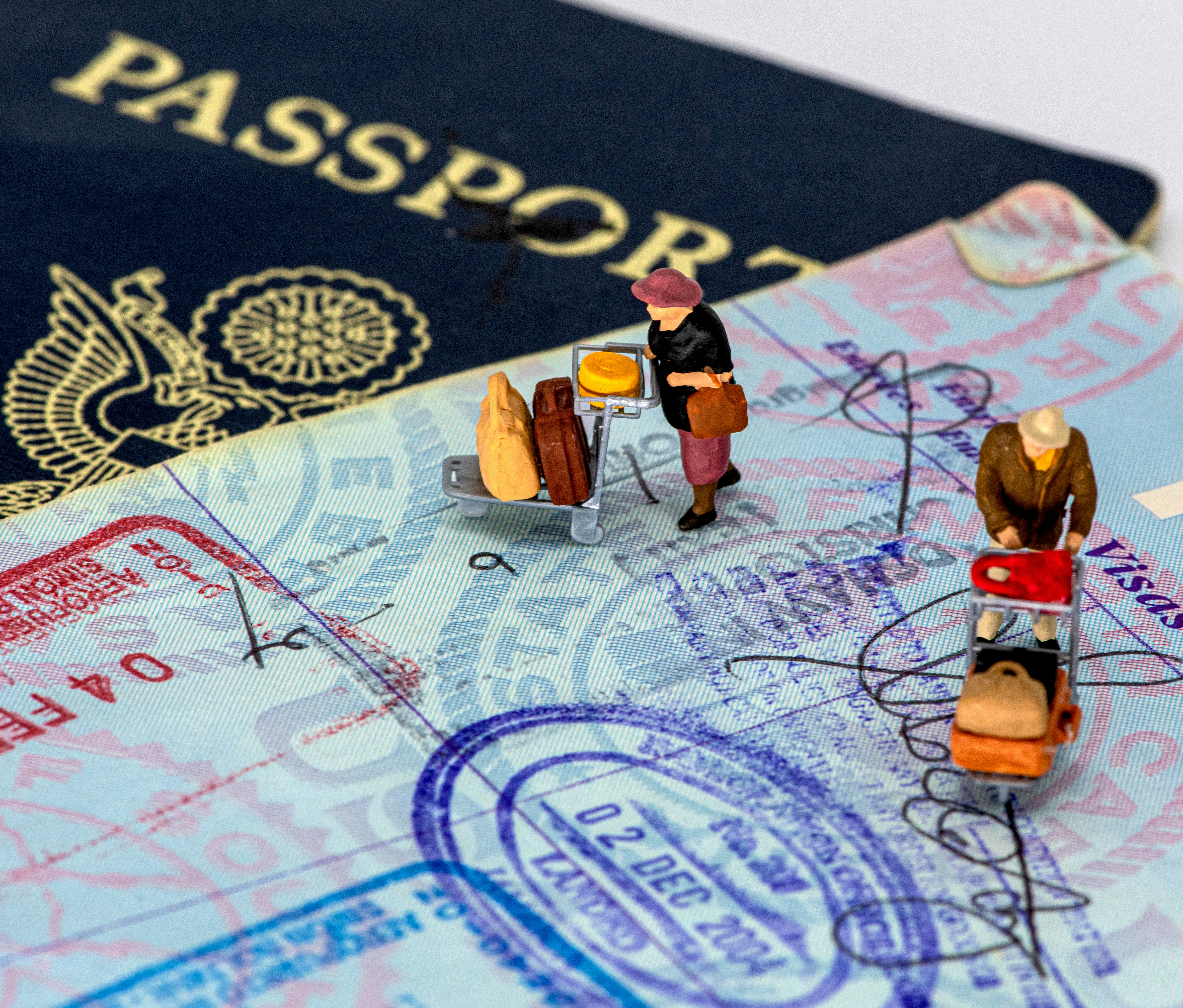
Introduction to Digital Nomad Visas
In recent years, the concept of remote work has gained significant momentum, shifting the traditional paradigms of employment and lifestyle. This rise in digital nomadism has resulted in the introduction of specialized visa programs tailored specifically for remote workers, known as digital nomad visas. These visas cater to individuals who can work from anywhere, offering them the opportunity to reside in a foreign country while actively engaging in their professional endeavors.
The primary purpose of digital nomad visas is to attract skilled professionals who wish to live and work remotely within another country. By allowing these individuals to settle temporarily, countries not only tap into a new demographic of residents but also benefit from the economic contributions they make during their stay. Digital nomads often spend money on accommodation, dining, and local services, thereby bolstering the economy of their host nation.
The increasing trend of remote work, accelerated by advancements in technology and changing workplace cultures, has led many countries to recognize the potential advantages of such visa programs. As a result, numerous nations are now rolling out digital nomad visas, each with specific eligibility requirements and benefits. These programs are designed to simplify the process for remote workers, allowing them to focus on their work while enjoying the unique cultural experiences that come with living abroad.
Overall, digital nomad visas represent a significant evolution in the way countries approach migration and labor markets, reflecting a broader acceptance of flexibility in work arrangements. As more individuals embrace the digital nomad lifestyle, the demand for these visa options will likely continue to grow, shaping future immigration policies and enhancing global connectivity.
Benefits of Obtaining a Digital Nomad Visa
The increasing popularity of the digital nomad lifestyle has prompted several countries to introduce digital nomad visas, which offer numerous benefits to remote workers. One significant advantage of obtaining a digital nomad visa is the opportunity for long-term stays in countries that might otherwise impose strict limits on tourist durations. Unlike standard tourist visas, which typically permit stays of up to 90 days, many digital nomad visas allow applicants to reside in a foreign country for extended periods, often ranging from one to three years. This extended time frame creates a stable environment for individuals to immerse themselves in a new culture, language, and community.
Another noteworthy benefit of a digital nomad visa is the legal work status it provides. Applying for this type of visa grants individuals the authorization to work remotely while residing in the host country. This legal status is crucial for digital nomads as it not only assures compliance with local laws but also opens up opportunities for networking with other professionals and locals. By being legally allowed to work, digital nomads can participate in courses, workshops, and community events, enhancing their professional skills and fostering personal growth.
Additionally, many countries offering digital nomad visas offer tax incentives tailored for remote workers. In some cases, these tax benefits may include exemptions or reduced rates on income earned abroad, thus allowing digital nomads to optimize their financial situation while living overseas. These fiscal advantages can be a strong motivation for individuals to pursue this lifestyle.
Furthermore, the freedom associated with being a digital nomad greatly enhances one’s lifestyle. The autonomy to choose where to live and work fosters a sense of independence, allowing individuals to craft their routines. Engaging with diverse cultures and perspectives can significantly enrich personal development and create unique professional experiences. Overall, acquiring a digital nomad visa not only facilitates work abroad but also broadens horizons, making it an attractive option for those pursuing a more flexible lifestyle.
Top Countries Offering Digital Nomad Visas
As the digital nomad lifestyle continues to gain popularity, several countries have introduced specialized visas aimed at attracting remote workers. These digital nomad visas enable individuals to live and work legally while enjoying the local culture and environment. Below are some of the most popular countries offering such opportunities.
Portugal is frequently highlighted for its appealing mix of vibrant cities, stunning coastlines, and affordable living costs. The country offers a Digital Nomad Visa, allowing individuals to stay for up to one year, with the possibility of extending their stay. The visa also provides the chance to explore Portugal’s rich culture, exquisite cuisine, and friendly locals, making it a preferred destination for remote workers.
Estonia is another appealing option, especially known for its advanced digital infrastructure. The country launched its Digital Nomad Visa in 2020, allowing remote workers to live and work in Estonia for up to a year. With a rich history, beautiful landscapes, and a strong emphasis on innovation, Estonia is particularly suitable for tech-savvy individuals. The application process is streamlined and can often be completed online, further facilitating the experience for potential residents.
Then there’s Bali, Indonesia, which has long attracted nomadic workers for its picturesque beaches and vibrant community. While Indonesia recently announced plans for a specific Digital Nomad Visa, many remote workers currently reside in Bali under different visa categories. The island offers a cost-effective living environment, lush nature, and a unique cultural tapestry that fosters connection among like-minded individuals.
Each of these countries has its own distinct features that appeal to digital nomads. From climate and cost of living to cultural experiences and simplified application processes, they create favorable conditions for remote work. Embracing the opportunity to explore diverse environments is just one of the many benefits that come with obtaining a digital nomad visa in these locations.
Eligibility Criteria for Digital Nomad Visas
The eligibility criteria for digital nomad visas can differ significantly from one country to another, but there are certain common requirements that aspiring applicants should be aware of. Generally, to qualify for a digital nomad visa, an individual must provide sufficient documentation that illustrates their capacity to work remotely and sustain themselves financially while residing in the host country.
One of the primary requirements is proof of employment or business ownership. Applicants typically must submit documentation that confirms their current employment status or ownership of a business. This may include employment contracts, pay stubs, or business registration documents. It is essential that the documentation clearly indicates the remote nature of the position or business activities, as this directly relates to the overarching purpose of the digital nomad visa.
Minimum income requirements also play a crucial role in the application process. Each country sets its own threshold for the minimum income that applicants must demonstrate to ensure that they can support themselves during their stay. This requirement serves to confirm that visa holders will not rely on local resources or welfare systems. Typically, applicants will need to present bank statements or salary slips that reflect income levels meeting or exceeding the specified amount.
Another common prerequisite is health insurance coverage. Many countries require digital nomads to have valid health insurance that provides adequate coverage for the duration of their stay. This ensures that applicants can access healthcare services if needed without placing a burden on the local healthcare system. The specifics concerning insurance coverage, including whether it must be sourced locally or can be international, may vary, thus thorough research is advised.
While these essential criteria are often mandated, applicants should also be vigilant regarding additional requirements that may be specific to certain countries. Therefore, a comprehensive understanding of the digital nomad visa application process is vital to ensure compliance and a successful application.
Application Process for Digital Nomad Visas
The application process for obtaining a digital nomad visa is a structured journey that begins with thorough research and preparation. It is crucial for prospective applicants to familiarize themselves with the specific visa requirements of their desired destination. Each country offers unique eligibility criteria, which may include proof of employment, income thresholds, and insurance coverage. Thus, gathering all necessary information is vital before initiating the application process.
Once an individual has identified the destination and verified eligibility, the next step is to gather the necessary documents. Common requirements include a valid passport, proof of remote employment, bank statements demonstrating sufficient income, health insurance, and sometimes a criminal background check. It is essential to ensure that all documents are complete, up-to-date, and translated into the local language if required. This diligence will facilitate a smoother application process and reduce the chance of delays due to incomplete submissions.
The actual submission of the application can vary depending on the destination. Some countries offer an online application system, while others may require applicants to submit documents in person at a consulate or embassy. Carefully following the instructions provided on the official immigration website of the chosen country is crucial at this stage. After submission, applicants should remain patient as they await approval, which can take several weeks or even months.
Finally, maintaining communication with the relevant authorities is a critical part of the process. Applicants should not hesitate to follow up on their application status. This ensures that any potential issues can be addressed promptly, thereby facilitating a successful outcome. By adhering to these steps, individuals can navigate the application process more effectively and embark on their digital nomad journey with confidence.
Tips for a Successful Visa Application
Securing a digital nomad visa can be a straightforward process if applicants approach it with the right strategies. One of the primary pieces of advice is to thoroughly understand the specific requirements of the country they intend to apply to. Each nation has its own criteria for digital nomad visas, such as proof of employment, minimum income thresholds, and required documentation. By familiarizing themselves with these requirements, applicants can ensure they prepare the correct paperwork and avoid potential pitfalls that could delay or jeopardize the application process.
In many instances, enlisting the services of a local consultant or lawyer can significantly enhance the likelihood of a successful application. These professionals have extensive knowledge of immigration laws and visa application processes in their respective countries. They can provide invaluable assistance in interpreting requirements, preparing documents, and submitting applications. Furthermore, leveraging local expertise may also help applicants navigate any unforeseen challenges that arise during the process, thus reducing stress and increasing efficiency.
Another crucial aspect of a strong visa application is the preparation of a comprehensive portfolio that effectively showcases remote work capabilities. This portfolio should not only include proof of employment, such as contracts or letters from employers, but also examples of past work that demonstrate an applicant’s skills and accomplishments. Additionally, highlighting a consistent income stream through various projects or contract work can reinforce the applicant’s ability to support themselves while living and working in a foreign country. Including testimonials or references from clients can further bolster credibility.
In conclusion, by understanding the unique requirements of their chosen destination, considering professional assistance, and crafting a robust portfolio, applicants can significantly improve their chances of successfully obtaining a digital nomad visa.
Challenges Faced by Digital Nomad Visa Holders
Digital nomad visas present a unique opportunity for individuals to work remotely while exploring new countries. However, visa holders often encounter several challenges that can impact their experience abroad. One of the primary hurdles is cultural adaptation. Moving to a new country means adjusting not only to a different physical environment but also to a new cultural context. Digital nomads may find themselves grappling with language barriers, differing social norms, and customs that may seem alien to them. For instance, a digital nomad from the United States might struggle to navigate the communal dining customs of countries like Japan, which value politeness and specific dining etiquette.
Legal issues pose another significant challenge for those on digital nomad visas. Many countries have specific regulations regarding remote work, which may not be thoroughly communicated. This ambiguity can lead to unintentional violations of local labor laws. For example, a remote worker in Portugal might be unsure if their work arrangement meets the country’s labour requirements, resulting in potential legal consequences. In addition, some countries have limited guidelines on proper tax obligations for digital nomads, leaving individuals unsure about how to comply with local tax laws.
Finally, dealing with bureaucratic hurdles is a common theme among digital nomads. Paperwork, applications, and renewals can be convoluted processes that require meticulous attention to detail. In many cases, visa holders must frequently interact with government offices that can be overwhelmed and understaffed, leading to delays and frustrations. A digital nomad in Thailand reported waiting weeks for a simple extension paperwork to be processed; such experiences can hinder the ability to enjoy the nomadic lifestyle fully. Navigating these challenges is an essential aspect of the digital nomad experience, often requiring patience and resilience as individuals adapt to their new surroundings.
Living as a Digital Nomad: Tips for Thriving Abroad
Embarking on a journey as a digital nomad can be an enriching experience, allowing individuals the freedom to travel while maintaining their careers. However, thriving in a new country requires a thoughtful approach to adaptation and lifestyle management. One of the first steps to ensuring success is understanding and integrating into the local culture. This means not only learning about local customs and traditions but also being respectful of the societal norms. Engaging with locals can offer insights that deepen your appreciation of the culture while fostering positive relationships.
Finding community and networking opportunities is crucial for any digital nomad. Consider joining online forums, social media groups, or local meetups designed for remote workers. These platforms can provide support and companionship, facilitating connections that may lead to both friendship and professional networking. Additionally, co-working spaces are excellent venues for meeting like-minded individuals. Such settings not only allow you to work efficiently but also support a sense of camaraderie among fellow digital nomads.
Managing time zones effectively is another essential skill for those working remotely from abroad. It is important to set clear boundaries regarding work hours to ensure productivity while respecting local time differences. Utilizing tools like world clocks and scheduling apps can help balance meetings and deadlines, allowing for a seamless workflow. Furthermore, creating a daily routine that accommodates both work and leisure can enhance your experience. Allocate time each day for exploration, relaxation, or social activities, ensuring that your travels are not solely centered around work.
In summary, living as a digital nomad involves adapting to new cultures, cultivating community relationships, and balancing professional obligations with leisure pursuits. By following these tips, individuals can thrive abroad and enrich their journey as digital nomads.
Conclusion and Future Trends of Digital Nomad Visas
Digital nomad visas have revolutionized the landscape of remote work, allowing professionals to embrace a lifestyle that blends travel with their careers. As more individuals opt for this flexible way of working, the relevance of digital nomad visas becomes increasingly evident. They not only provide legal statuses for remote workers but also foster cultural exchange and economic growth in host countries. This trend underscores the vital role that digital nomad visas play in the modern global workforce, offering opportunities to thrive in an interconnected world.
Looking ahead, it is anticipated that the landscape for digital nomad visas will continue to evolve. Governments worldwide are beginning to recognize the benefits of attracting remote workers as a strategic move to bolster their economies. As a result, more countries are likely to introduce or expand their visa programs catering specifically to digital nomads. This could lead to more favorable terms, such as longer durations of stay and simplified application processes, which would further facilitate cross-border mobility for remote professionals.
Additionally, as the idea of remote work continues to gain traction, we may see more data-driven policies being implemented. Countries will likely consider feedback from current digital nomads to refine their programs. Moreover, as technological advancements reshape the nature of work, digital nomad visas may adapt to better suit emerging job trends, ensuring that these visas remain relevant in this dynamic environment. Overall, the future of digital nomad visas appears promising, with significant potential to influence the global workforce and redefine how we approach work and travel.