Introduction to High-Protein Vegan Diets
The concept of high-protein vegan diets has gained significant traction in recent years, driven by an increasing awareness of nutrition and sustainability. A high-protein vegan diet primarily consists of plant-based foods that are rich in protein, essential for the maintenance of muscle mass, overall physical health, and metabolic functions. Protein, being a vital macronutrient, plays an integral role in various bodily processes, including tissue repair, enzyme production, and immune response. For individuals following a vegan lifestyle, ensuring adequate protein intake is crucial, as traditional protein sources like meat, dairy, and eggs are eliminated.
As veganism continues to grow in popularity, many are embracing high-protein vegan diets for various reasons, including ethical considerations, environmental concerns, and health benefits. Compared to conventional diets, vegan diets tend to be lower in saturated fats and cholesterol while higher in dietary fiber, aiding in overall health improvement. However, a common worry among those adopting a vegan diet is the risk of inadequate protein consumption. Understanding how to effectively incorporate high-protein plant foods can help alleviate these concerns and ensure that nutritional needs are met.
A high-protein vegan diet typically comprises a variety of foods such as legumes, seeds, nuts, whole grains, and plant-based protein powders. These foods not only contribute substantial protein levels but also provide essential amino acids, vitamins, and minerals that promote overall well-being. Lentils, chickpeas, quinoa, edamame, and tofu are prime examples of protein-rich options that can easily be integrated into daily meals. The key to mastering a high-protein vegan diet is to create balanced meal plans that encompass a diverse mix of these foods while maintaining adequate energy levels and optimal health.
Benefits of a High-Protein Vegan Diet
A high-protein vegan diet offers numerous health advantages that cater to various lifestyle needs and personal goals. One of the primary benefits is its ability to support muscle building and maintenance. When combined with regular physical activity, a diet rich in plant-based protein sources such as legumes, tofu, and quinoa can enhance muscle mass, making it an excellent choice for athletes and fitness enthusiasts.
In addition to muscle development, this dietary approach also plays a significant role in weight management. High-protein foods are known to promote satiety, which helps individuals feel fuller for longer periods. This can reduce overall calorie intake and assist in weight loss or maintenance efforts. For those looking to shed extra pounds or maintain a healthy weight, incorporating a variety of high-protein vegan foods can be an effective strategy.
Furthermore, a high-protein vegan diet can contribute to a reduced risk of chronic diseases. Research has shown that plant-based diets are associated with lower incidences of heart disease, hypertension, and diabetes, largely due to their rich nutrient profiles and lower saturated fat content. The heart health benefits are especially notable; plant-based proteins often come alongside fiber, vitamins, and antioxidants that are known to promote cardiovascular health.
On another front, adopting a high-protein vegan diet aligns with ethical and environmental imperatives. By choosing plant-based sources, individuals contribute to a sustainable food system and minimize their environmental footprint. This dietary shift not only supports personal health but also addresses broader ecological concerns, ultimately promoting a lifestyle that respects animal welfare and biodiversity.
Top High-Protein Foods for Vegans
For those adhering to a vegan diet, ensuring adequate protein intake is essential, and numerous plant-based foods can serve as excellent sources. Legumes, such as lentils and chickpeas, are among the top choices. Lentils contain approximately 18 grams of protein per cooked cup, while chickpeas offer around 15 grams in the same serving size. These versatile ingredients can be effortlessly incorporated into salads, soups, and stews, enhancing both the protein content and flavor of meals.
Seeds also play a critical role in a high-protein vegan diet. For instance, hemp seeds provide about 10 grams of protein per 3 tablespoons and can be sprinkled onto yogurt, smoothies, or salads. Chia seeds, another nutritious option, deliver about 5 grams of protein in the same serving. These seeds not only contribute protein but also add essential fatty acids to the diet.
Nuts, such as almonds and pistachios, are not only tasty but rich in protein as well. Almonds offer approximately 6 grams of protein per ounce, making them a convenient snack that can enhance the protein profile of various meals. Proteins from nuts can be integrated into breakfast dishes or consumed as standalone snacks throughout the day.
Soy products are notable staples in a high-protein vegan regimen. Tofu, with approximately 20 grams of protein per cup, and tempeh, which contains about 31 grams, serve as excellent substitutes for meat. Both can be marinated, grilled, or sautéed, making them adaptable for a variety of cuisines.
Whole grains, such as quinoa and farro, are equally important. Quinoa boasts around 8 grams of protein per cooked cup, while farro contains about 6 grams. These grains can be enjoyed in salads or as side dishes. Lastly, certain vegetables, including broccoli and spinach, contribute additional protein content, making it easier to achieve dietary protein goals while enjoying the benefits of a high-protein vegan diet.
Combining Protein Sources for Complete Amino Acids
When considering a high-protein vegan diet, understanding the importance of combining different plant-based protein sources is crucial. Proteins are made up of amino acids, and there are twenty of these fundamental building blocks. Among them, nine are classified as essential amino acids, which cannot be synthesized by the body and must be obtained through diet. Depending on their amino acid profiles, plant-based proteins are often categorized as complete or incomplete. A complete protein contains all nine essential amino acids, while an incomplete protein lacks one or more of these vital components.
Common sources of complete proteins in the vegan diet include quinoa, soy products, and hemp seeds. However, many plant-based proteins are incomplete, such as legumes, grains, and nuts. This raises the question of how vegans can ensure they receive a balanced intake of essential amino acids. The solution lies in combining different protein sources throughout the day. This practice, known as protein complementing, involves pairing foods that, together, provide the complete amino acid profile necessary for optimal health.
One of the classic examples of complementary protein pairings is rice and beans. When consumed together, they create a complete protein profile, as rice provides the amino acids lacking in beans and vice versa. Other successful combinations include hummus and whole grain pita, peanut butter on whole-grain toast, and corn tortillas with black beans. To effortlessly incorporate these combinations into daily meals, one can consider preparing meals that incorporate various protein sources in dishes like stir-fries, salads, or grain bowls. Additionally, meal prepping can help ensure that a variety of protein options are readily available, making it easier to consume complementary proteins consistently throughout the day. By strategically combining plant-based protein sources, individuals can attain a balanced and nutritious vegan diet that meets all their amino acid needs.
Sample High-Protein Vegan Meal Plans
Crafting a high-protein vegan meal plan can be both enjoyable and nutritious, allowing individuals to explore diverse foods while meeting their protein needs. Below are sample meal plans for varying caloric intake levels: 1500, 2000, and 2500 calories. Each plan includes breakfast, lunch, dinner, and snacks, showcasing a range of high-protein vegan foods.
1500-Calorie Plan
For those aiming for a caloric intake of 1500 calories, this plan provides approximately 100 grams of protein:
- Breakfast: Chia seed pudding made with 1/4 cup chia seeds, 1 cup almond milk, and topped with 1/2 cup mixed berries.
- Snack: A smoothie containing 1 banana, 1 tablespoon peanut butter, and 1 scoop of plant-based protein powder.
- Lunch: A quinoa salad featuring 1 cup cooked quinoa, 1/2 cup black beans, 1/2 avocado, and assorted vegetables.
- Snack: 1/4 cup of roasted chickpeas seasoned with spices.
- Dinner: Stir-fried tofu (1/2 cup) with a variety of vegetables served over 1 cup of brown rice.
2000-Calorie Plan
This meal plan, totaling around 130 grams of protein, is suitable for a 2000-calorie diet:
- Breakfast: A smoothie bowl made with 1 banana, 1 cup spinach, 1/2 cup almond milk, topped with 2 tablespoons hemp seeds.
- Snack: 2 tablespoons of hummus with raw veggies.
- Lunch: A wrap filled with 1/2 cup lentils, 1 whole grain wrap, mixed greens, and a tahini dressing.
- Snack: 1/4 cup edamame beans.
- Dinner: 1 cup of tempeh stir-fried with bell peppers and served over 1.5 cups of quinoa.
2500-Calorie Plan
For those with higher caloric requirements, this plan offers around 150 grams of protein:
- Breakfast: Overnight oats made with 1/2 cup rolled oats, 1 cup almond milk, topped with 1/4 cup walnuts and sliced banana.
- Snack: Rice cakes with almond butter.
- Lunch: A Buddha bowl with 1 cup cooked farro, a mix of vegetables, 1/2 cup chickpeas, and a lemon-tahini dressing.
- Snack: 1/2 cup of trail mix containing nuts, seeds, and dried fruit.
- Dinner: 1 cup of seitan served with 1.5 cups of roasted vegetables and quinoa.
These sample meal plans illustrate the feasibility of achieving a high-protein vegan diet across varying caloric needs, promoting both nutritional balance and variety.
Protein Supplements: Do Vegans Need Them?
When adopting a high-protein vegan diet, individuals may question the necessity of protein supplements. Unlike omnivorous diets, vegan dietary patterns exclude animal products, which are typically rich in complete proteins. Therefore, it is crucial for vegans to ensure they consume adequate protein from various plant sources. While many can achieve their protein needs through whole foods—such as legumes, nuts, seeds, and whole grains—some might find it challenging to meet their daily requirements, particularly athletes or those with higher protein demands.
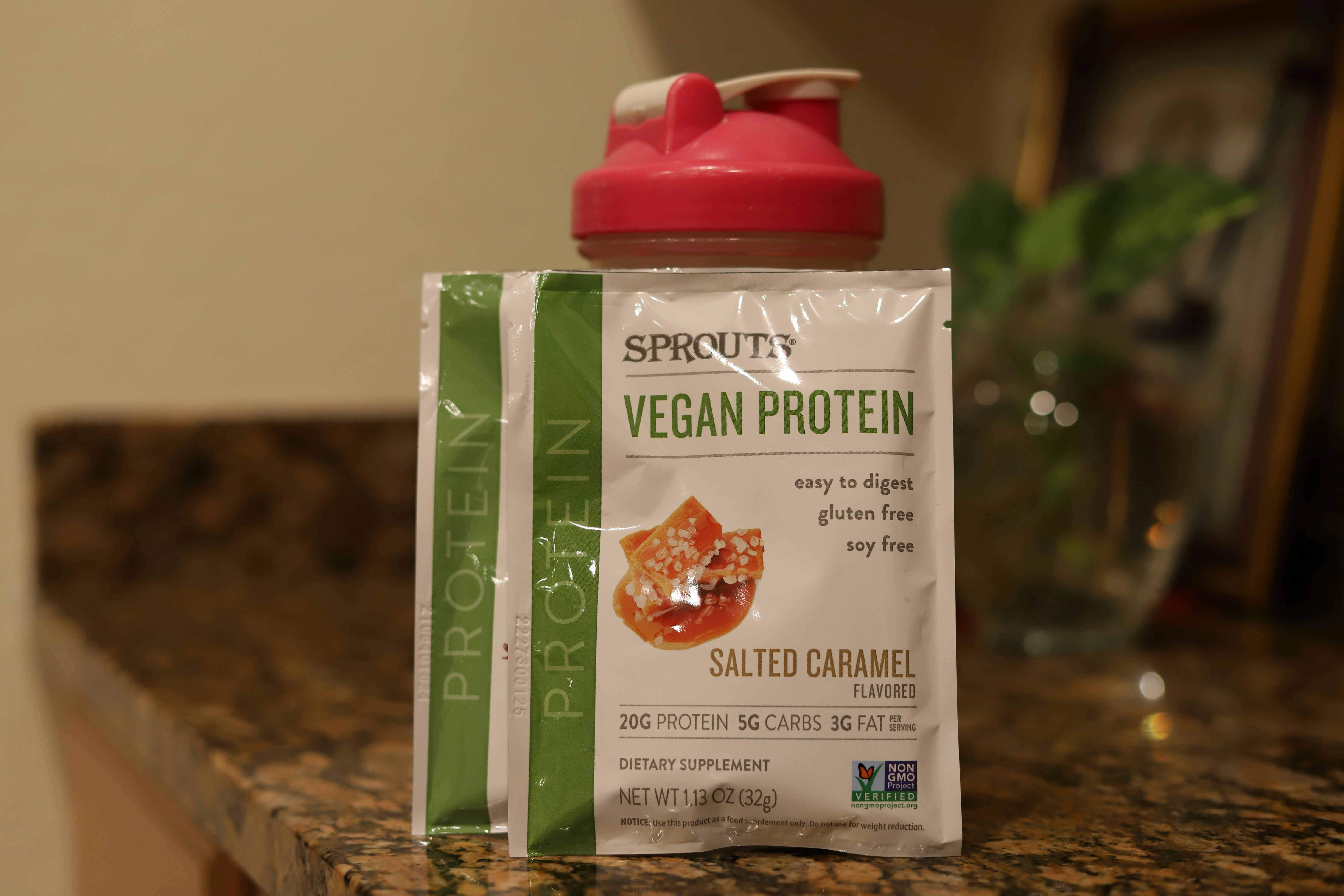
Protein supplements can serve as a convenient, effective means to bridge any gaps in protein intake. Several types of vegan protein powders are available on the market, each with unique nutritional profiles. Pea protein, derived from yellow split peas, is a popular option due to its rich amino acid profile, particularly in branched-chain amino acids that support muscle recovery and growth. Similarly, brown rice protein provides a good source of energy and is easily digestible, making it suitable for various meal plans. Another noteworthy option is hemp protein, which contains a balanced ratio of omega fatty acids and essential amino acids, beneficial for overall health.
For those considering integrating protein supplements into their diets, it is essential to do so thoughtfully. They should complement whole food sources rather than completely replace them. A recommended approach is to incorporate protein powder into smoothies or oatmeal, where it can enhance the overall nutritional profile without overwhelming the taste. Additionally, maintaining balance through diverse food choices is crucial to ensure the intake of other vital nutrients, such as vitamins, minerals, and fiber. In conclusion, while protein supplements can be beneficial, they are not universally necessary; an individual’s dietary goals and lifestyle should ultimately dictate their inclusion in a high-protein vegan diet.
Common Misconceptions About Vegan Protein Sources
The rise in popularity of vegan diets has led to a myriad of misconceptions surrounding the adequacy and quality of plant-based protein sources. One prevalent myth is that individuals following a vegan diet cannot meet their protein needs. This belief often stems from a misunderstanding of protein requirements and the sources from which they can be obtained. In reality, numerous plant-based foods are rich in protein, enabling vegans to achieve their nutritional goals effectively. Legumes, quinoa, nuts, seeds, and soy products, such as tofu and tempeh, are excellent sources of protein that can easily be incorporated into daily meals.
Another common fallacy is the notion that plant proteins are inferior to animal proteins. While it is true that animal proteins are considered “complete” because they contain all essential amino acids, many plant-based proteins can also provide these necessary compounds. By consuming a diverse array of plant foods throughout the day, such as whole grains paired with legumes, individuals can easily obtain all essential amino acids. Foods like brown rice and black beans or hummus with whole-grain pita offer complementary amino acids, providing a complete protein profile.
Moreover, some critics assert that plant-based diets require excessive planning and meal preparation to ensure adequate protein intake. While it is essential to be mindful of food choices, many vegans find that with a little knowledge of protein-rich options, maintaining a high-protein intake can be both simple and enjoyable. Commercial vegan protein powders and fortified foods can also supplement dietary protein when needed, making it easier to reach personal nutrition goals without resorting to animal products.
In summary, the understanding of protein sources on a vegan diet is evolving. By debunking these misconceptions, we can empower individuals to embrace plant-based diets as a viable and nutritious option for meeting protein needs.
Tips for Transitioning to a High-Protein Vegan Diet
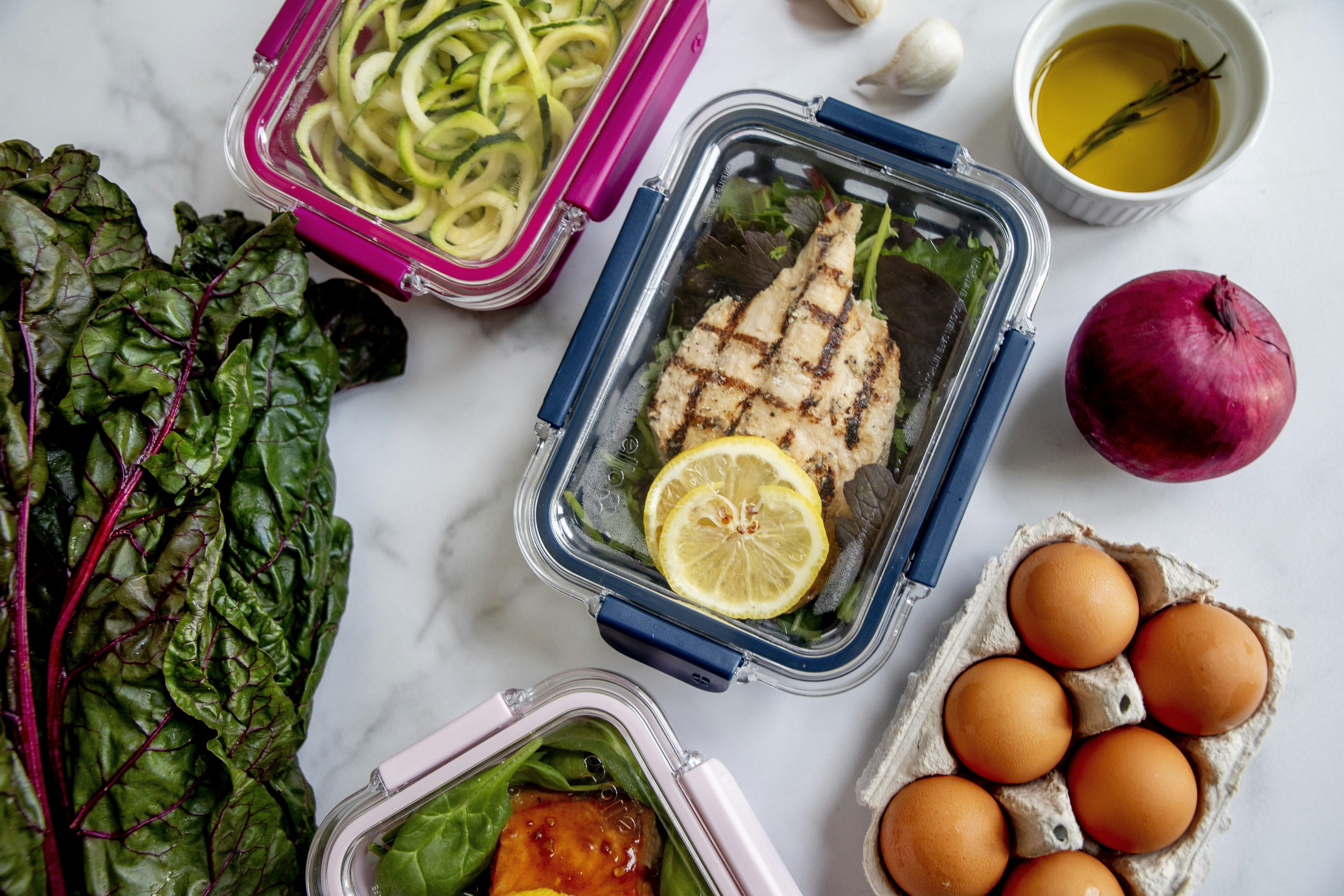
Transitioning to a high-protein vegan diet can be an enriching journey, but it requires careful planning and consideration. To start, meal prep is an essential strategy that can save time and ensure nutritional balance. Begin by dedicating a day each week to prepare meals in advance. This might include cooking larger portions of protein-rich foods such as legumes, tofu, or seitan, which can be stored and used throughout the week. Portioning out these proteins alongside vegetables and whole grains ensures you have balanced meals readily available.
When it comes to shopping for a high-protein vegan diet, it is crucial to be intentional in your choices. Aim to fill your cart with a variety of protein sources, including lentils, chickpeas, quinoa, edamame, nuts, and seeds. Whole grains like farro and brown rice are also beneficial, as they not only add protein but also provide essential nutrients and fiber. Reading labels can help you identify proteins hidden in unexpected products, such as plant-based dairy alternatives or meat substitutes.
Maintaining a nutritional balance on a vegan diet, particularly when focusing on protein, involves being aware of other essential nutrients. Ensure you are getting enough vitamin B12, iron, calcium, and omega-3 fatty acids, as these can sometimes be more challenging to obtain on a vegan diet. Consider incorporating fortified foods or supplements into your diet as necessary.
Support is vital for sustaining motivation during your transition. Look for local or online communities of like-minded individuals who share your dietary goals. These groups can provide encouragement, share recipes, and offer advice tailored to your high-protein vegan aspirations. Websites, apps, and social media platforms dedicated to veganism can also be excellent resources for recipe ideas and meal inspiration.
Conclusion: Embracing a High-Protein Vegan Lifestyle
In recent years, the high-protein vegan diet has garnered substantial attention, showcasing the potential to meet protein needs without compromising on ethical principles or health considerations. This dietary choice is not merely a trend; it is a lifestyle that promotes sustainable eating habits while ensuring adequate nutrient intake. As discussed, numerous plant-based foods are rich in protein, including legumes, nuts, seeds, and whole grains. Incorporating these protein sources into daily meals can empower individuals to achieve their health goals.
Furthermore, the benefits of adhering to a high-protein vegan diet extend beyond protein intake. It can lead to improved overall health, enhanced energy levels, and a lower risk of chronic diseases. The emphasis on whole, unprocessed foods is a cornerstone of this dietary approach, which encourages feelings of satiety and satisfaction. By planning meals thoughtfully and incorporating a variety of protein-rich vegan options, individuals can create nutritious and delicious dishes that challenge the notion that a vegan diet lacks adequate protein.
While transitioning to a high-protein vegan diet may pose initial challenges, the rewards are significant. It serves as a powerful reminder of the interconnectedness of food choices, personal health, and the environment. As people explore different meal preparations and recipes that align with a high-protein vegan lifestyle, they may find new favorites and culinary delights that motivate them to stay committed to this path.
Ultimately, embracing a high-protein vegan diet fosters not only a sustainable lifestyle but also instills a sense of purpose aligned with ethical consumption. With careful planning and a focus on variety, anyone can successfully incorporate wholesome plant-based proteins into their meals, paving the way for a healthier, more compassionate future.