
Understanding Wet Rooms
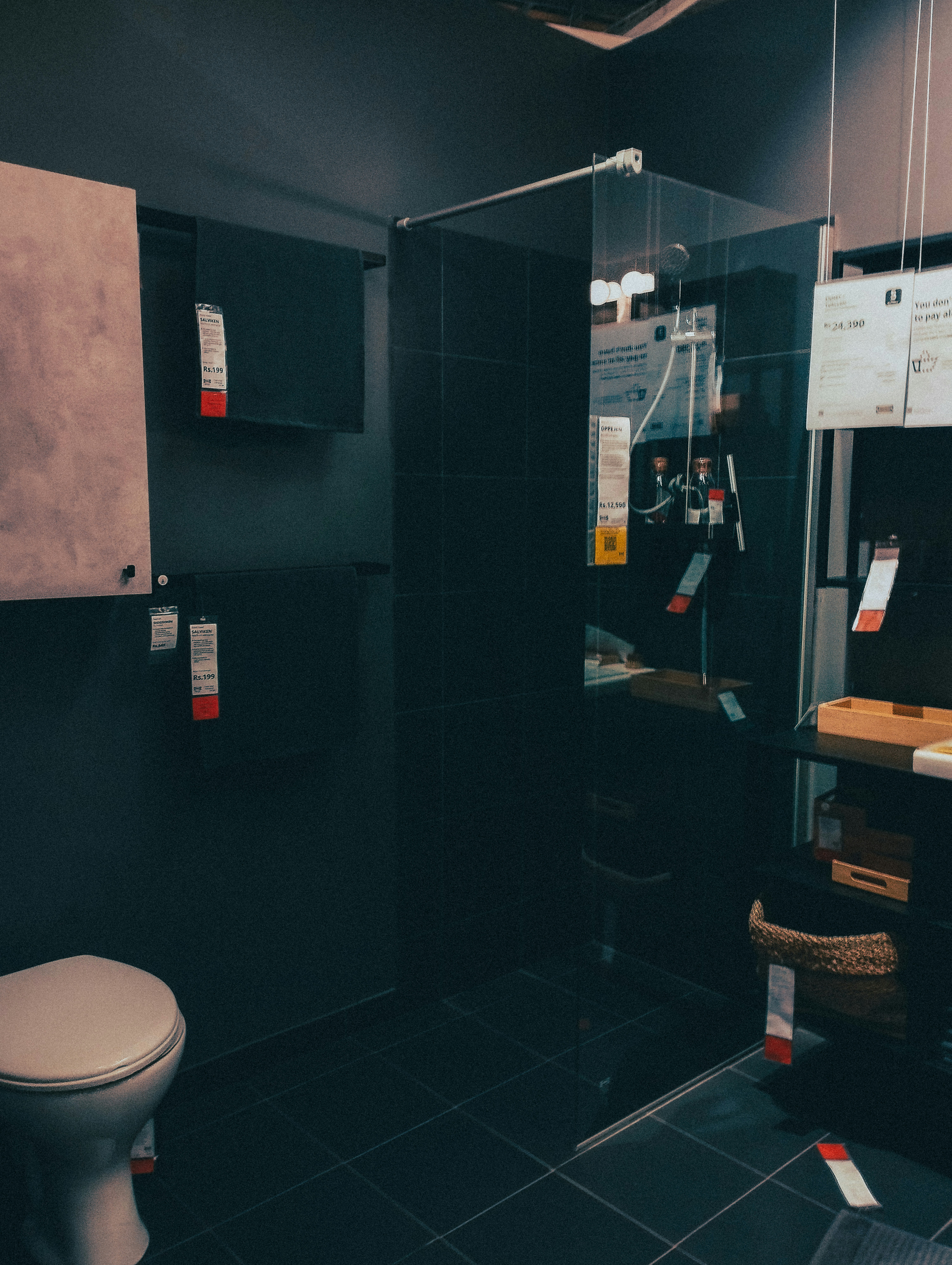
A wet room is a modern bathroom design that epitomizes the concept of open space and seamless functionality. Unlike traditional bathrooms, which have enclosed areas for showers and baths, wet rooms lack barriers and often feature a single, continuous floor that allows water to freely flow towards a drain. This design brings forth a minimalist aesthetic that not only maximizes space but also enhances the sense of freedom and luxury. Wet rooms can accommodate various layouts and can be designed to fit almost any home, making them a popular choice for homeowners looking to upgrade their bathing experience.
One key advantage of installing a wet room is the ease of access it provides, particularly for individuals with mobility issues. The absence of thresholds and curbs allows for a safe and comfortable bathing experience, catering to all users, including the elderly or disabled. Furthermore, wet rooms can be easier to clean than traditional bathrooms since their open layout prevents the accumulation of grime and mold typically found around shower doors and bathtubs.
When constructing a wet room, specific materials play a crucial role in ensuring longevity and functionality. Waterproof membranes are essential in wet room construction, as they act as a barrier to prevent water from penetrating into walls or floors. High-quality tiles, often made from porcelain or ceramic, are commonly used for wet room floors and walls due to their inherent water-resistant properties. In addition, a well-designed drainage system is vital to prevent flooding and water damage; a linear drain can effectively channel water away from the floor, while maintaining the clean lines typical of a modern wet room design.
Planning Your Wet Room Layout
When embarking on a DIY wet room project, careful planning of the layout is crucial for both functionality and aesthetics. Initially, assess the size of your available space. Wet rooms are engineered to utilize the entirety of a designated area, allowing for a seamless integration between various fixtures. A compact space may not accommodate bulky fixtures, while a larger area permits more creativity with layout choices.
Next, consider the placement of plumbing fixtures, which are vital components in any wet room design. The positioning of the shower, sink, and toilet should be arranged with convenience and accessibility in mind. Ensure that the shower is situated away from doors to prevent water spillage while also allowing for easy access. Departing from traditional layouts, think about wall-mounted sinks or toilets to maximize floor space, enhancing movement within the wet room.
Another essential aspect of your wet room layout is the drainage system. Proper drainage is critical to prevent water pooling, which can lead to structural damage and mold growth. Position the shower at the lowest point of the floor to facilitate excellent drainage. In addition, incorporating a linear drain can create a streamlined appearance while effectively managing water flow.
Accessibility should also be a priority when designing your wet room. If it is intended for use by individuals with mobility challenges, ensure pathways are wide enough, and fixtures are within easy reach. Consider installing grab bars and slip-resistant surfaces to enhance safety. Furthermore, it is imperative to adhere to local building regulations and acquire necessary permits prior to commencing the project. Compliance not only guarantees safety but also protects your investment in the long run, ensuring that your wet room meets all required standards.
Gathering Materials and Tools
Constructing a DIY wet room requires careful planning and the right selection of materials and tools to ensure a successful outcome. The first step is to procure several essential materials, including waterproof membranes, tiles, drainage systems, and wall materials. Waterproof membranes are critical as they create a moisture barrier, protecting your structure from water damage. Popular choices include liquid membranes and sheet membranes, with each offering different benefits based on your specific wet room design.
Tiles not only enhance the aesthetic appeal of your wet room but also play a vital role in water resistance. Porcelain or ceramic tiles are often recommended due to their durability and non-porous nature. Additionally, consider installing a sloped floor to facilitate water drainage, requiring a suitable drainage system. A linear drain is a common choice, providing both functionality and a modern look.
When it comes to tools, a tile cutter is indispensable for creating precise tile cuts suited for corners and edges. Furthermore, a level ensures that both the floor and wall installations are even, which is crucial in preventing water pooling. A trowel will be needed for applying adhesives, and a waterproofing roller can efficiently apply the membrane. Invest in high-quality tools, as they will not only ease the installation process but also enhance the overall finish of your wet room.
To source affordable yet durable materials, consider visiting local home improvement stores, online marketplaces, or specialized building supply companies. Often, seasonal sales and clearance sections can yield significant savings without compromising quality. Choosing high-quality components is vital for longevity and water resistance, reinforcing the overall success of your DIY wet room project.
Step-by-Step Construction Process
Constructing a wet room can be a rewarding yet intricate project. The first step involves preparing the space, which includes clearing the area and ensuring adequate drainage. It is essential to create a level floor to facilitate proper water flow. Additionally, make sure to check for existing plumbing and electrical lines that could affect your renovation plans.
Once the space is prepped, the next crucial phase is installing the waterproof membranes. This step is vital to prevent water damage in adjoining rooms. Use a high-quality waterproof membrane, following the manufacturer’s guidelines to ensure an effective barrier against moisture. Start by applying the membrane along the walls and floor, ensuring all seams are sealed properly to create a continuous waterproof surface. Pay special attention to corners and joints, as these are common areas where leaks occur.
After successfully installing the membranes, you can move on to tiling the walls and floors. When selecting tiles, opt for non-slip materials to enhance safety. Begin tiling from the bottom upwards on the walls, allowing for a clean and professional look. Similarly, for the floor, ensure that tiles are laid evenly, maintaining the slope towards the drain to avoid water pooling. Consider using spacers for uniform grout lines.
Once tiling is completed, the final phase involves fitting plumbing fixtures such as the showerhead, faucets, and drainage systems. It is crucial to follow local plumbing codes and ensure all connections are watertight to minimize the risk of leaks. During this stage, always wear appropriate safety gear and work cautiously to avoid injuries.
Throughout the construction process, anticipate challenges such as uneven subfloors or potential plumbing mishaps. Being prepared with the right tools and materials will facilitate a smoother build. Take the time to plan each step carefully, ensuring that your DIY wet room project is both successful and sustainable.