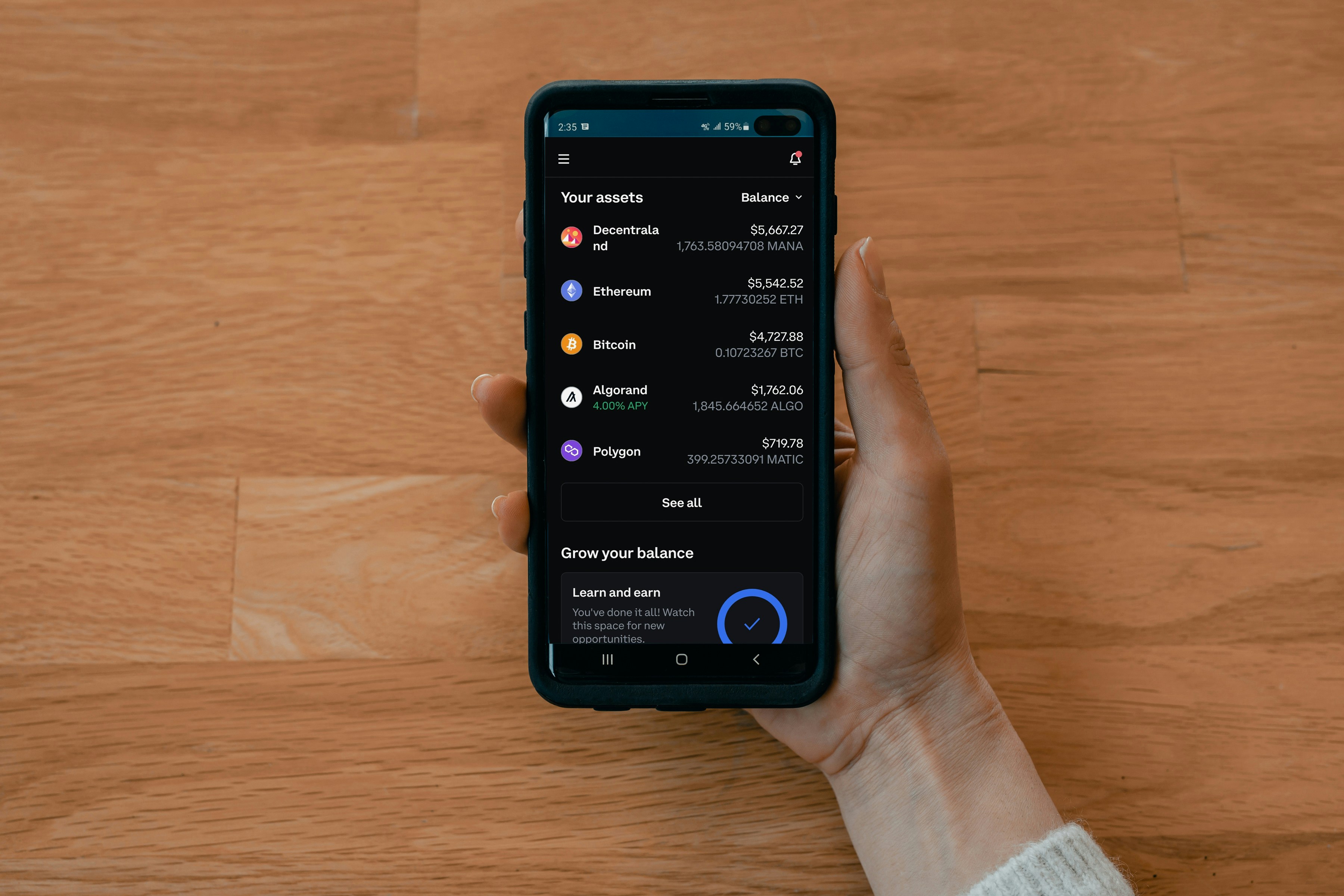
Introduction to DeFi
Decentralized Finance, commonly referred to as DeFi, represents a transformative movement in the financial sector, aiming to revolutionize the way individuals engage with financial services. At its core, DeFi leverages blockchain technology to facilitate financial transactions and operations without the need for traditional intermediaries such as banks or financial institutions. This innovative approach utilizes smart contracts—self-executing contracts with the terms of the agreement directly written into code—enabling automated and transparent transactions.
The DeFi ecosystem encompasses a wide array of financial activities, including lending, borrowing, trading, investing, and yield farming, among others. By providing these services on a decentralized platform, users can hold greater control over their funds and engage in financial processes directly with one another. This paradigm shift not only enhances accessibility for individuals internationally, particularly those who remain unbanked or underbanked, but also fosters an environment that encourages innovation and competition.
<pone a="" algorithms.="" all="" and="" are="" as="" assets="" associated="" become="" blockchain="" by="" can="" central="" code="" confidently,="" counterparty="" cryptographic="" defaults.="" defi="" elimination="" employing="" engage="" ensuring="" framework.<pmoreover, a="" advancement="" allow="" and="" are="" as="" assets="" attention="" both="" defi="" ecosystem,="" efficiency="" engage="" evolution="" farming="" financial="" for="" from="" garnered="" has="" how="" in="" inclusivity,="" institutional="" investment="" investors,="" it="" of="" opportunities="" overall,="" p="" practices,="" presents="" profitable="" promoting="" prompting="" represents="" retail="" returns.="" rise="" shift="" significant="" strategies="" substantial="" the="" to="" tokenomics="" transactions.
Understanding DeFi Platforms
Decentralized Finance (DeFi) platforms have reshaped the landscape of traditional finance by offering a diverse array of financial services through blockchain technology. These platforms operate without central authorities, allowing users to engage in various activities such as lending, trading, and earning interest on their assets. The primary categories of DeFi platforms include lending protocols, decentralized exchanges (DEXs), yield farming platforms, and liquidity pools.
Lending protocols, such as Aave and Compound, enable users to lend their cryptocurrencies to others and earn interest on their deposits. In this model, borrowers can take out loans without undergoing the traditional credit checks and collateral requirements typical of conventional banks. Users can easily deposit funds and receive interest, which is usually competently more lucrative than traditional savings accounts.
Decentralized exchanges (DEXs) like Uniswap facilitate peer-to-peer transactions without the need for an intermediary. These platforms allow users to trade various cryptocurrencies directly from their wallets, ensuring security and privacy. DEXs operate on an automated market maker (AMM) model, where liquidity providers contribute funds to pools, enabling seamless trading for other users. The trading fees generated are distributed among these liquidity providers, creating an incentive for participation.
Yield farming platforms take advantage of the vast liquidity pools within DeFi by allowing users to stake their assets in return for rewards, typically in the form of additional tokens. This practice not only enhances liquidity in the ecosystem but also provides users with higher returns compared to traditional methods. Additionally, liquidity pools enable users to contribute to the trading liquidity of specific assets, maximizing asset utilization and earning potential.
As DeFi continues to evolve, platforms like Aave, Uniswap, and Compound exemplify the innovation and potential within the industry. Each offers unique functionalities that cater to diverse user needs, contributing to the growing adoption of decentralized finance in our financial landscape.
Risks Associated with DeFi Investments
Investing in decentralized finance (DeFi) presents an innovative yet complex landscape, laden with notable risks that investors must navigate. One of the most significant risks is the vulnerabilities associated with smart contracts. These self-executing contracts are designed to automate transactions without the need for intermediaries; however, coding errors or flaws can lead to severe consequences. For instance, the infamous hack of the DAO in 2016 saw $60 million worth of Ether stolen due to an exploit in the smart contract, highlighting the necessity for thorough audits and testing before deployment.
Another risk that DeFi investors encounter is impermanent loss, which occurs when providing liquidity to decentralized exchanges. This phenomenon arises when the price of the tokens deposited diverges significantly from their price at the time of deposit. For example, if an investor supplies a pair of tokens to a liquidity pool and the value of one token increases drastically compared to the other, they may find that withdrawing their assets results in less value than if they had simply held onto their tokens. While impermanent loss is not realized until withdrawal, it remains a critical consideration for those participating in liquidity pools.
Regulatory uncertainties also pose a considerable risk to DeFi investments. As the DeFi sector accelerates in prominence, regulators worldwide are grappling with how to address its challenges. Changes in legislation could impact the legality and operation of DeFi platforms. For instance, countries like China have restricted cryptocurrency transactions, raising concerns over the future of such investments in those markets.
Lastly, the inherent market volatility within the cryptocurrency space cannot be ignored. Prices of DeFi tokens can fluctuate widely within short periods, driven by market sentiment, speculative trading, and broader economic factors. This volatility heightens the risk of financial loss, making it crucial for investors to undertake thorough research and risk assessment before committing their capital to these innovative yet uncertain financial products.
Evaluating DeFi Projects
Investing in decentralized finance (DeFi) projects can be a lucrative endeavor, but it is essential to conduct thorough due diligence to mitigate potential risks associated with these investments. A critical aspect of evaluating DeFi projects is examining the team behind the project. Successful DeFi ventures typically have an experienced team with a strong track record in blockchain technology, finance, and software development. Look for transparency in team profiles and their previous accomplishments, as this may indicate their capability to deliver on the project’s promises.
Another vital component of assessment is the technology that underpins the DeFi project. Review the architecture, security features, and scalability of the platform, as these factors significantly impact its long-term viability. Additionally, accessing the whitepaper can provide insights into the project’s utility and the problems it aims to solve, allowing potential investors to gauge its relevance and innovation within the broader decentralized ecosystem.
Community support plays a crucial role in the sustainability of DeFi projects. High engagement levels across platforms such as Telegram, Discord, and social media are indicative of active community involvement, which can help drive the project’s growth. Investigating community sentiment can also reveal potential red flags, including controversies or growing dissatisfaction among users.
Furthermore, tokenomics should be thoroughly evaluated. This entails understanding the supply, distribution, and utility of the project’s tokens. A well-structured tokenomics model can promote healthy growth and align incentives for users, developers, and investors.
Lastly, auditing is essential for ensuring security within DeFi projects. Audit reports from reputable firms offer insights into existing vulnerabilities and the project’s commitment to safeguarding user assets. Prioritizing projects that have undergone rigorous audits can significantly reduce the risks associated with investing in DeFi.
Strategies for Safe Investment in DeFi
Decentralized Finance (DeFi) presents alluring opportunities for investors seeking high returns; however, it also comes with significant risks. To navigate this evolving landscape securely, employing effective strategies is paramount. One of the foremost strategies is diversification. By spreading investments across various DeFi platforms and assets, investors can mitigate potential losses stemming from particular projects or protocols that may underperform or face operational issues.
Utilizing reputable DeFi platforms is another critical strategy. Investors should conduct thorough research to identify platforms with solid track records, robust security measures, and positive community feedback. Well-established platforms often provide additional safeguards against volatility and fraud, allowing investors to engage with more confidence. Be wary of lesser-known or unverified platforms, as they might expose investors to higher risks.
For those new to DeFi, it is advisable to start with small investments. This approach allows investors to familiarize themselves with the nuances of the market, including transaction mechanisms, liquidity processes, and varying levels of risk inherent in different DeFi solutions. As comfort and knowledge expand, investors can progressively increase their stakes, ensuring that they are not overexposed to potential downswings in a volatile market.
Employing risk management techniques is crucial in safeguarding investments. Set clear investment objectives and establish exit strategies to prevent emotional decision-making during market fluctuations. Tools such as stop-loss orders and portfolio rebalancing can assist in managing risk and maintaining financial health over time. Furthermore, being aware of the different types of risks, such as smart contract vulnerabilities or regulatory uncertainties, will arm investors with the knowledge needed to make informed decisions in the DeFi ecosystem.
Understanding DeFi Tax Implications
As decentralized finance (DeFi) continues to gain traction, understanding the tax implications of participating in this innovative sector is paramount for investors. DeFi operates on blockchain technology, allowing users to lend, borrow, trade, and earn from their digital assets. However, the tax treatment of these transactions varies significantly from traditional finance, requiring careful consideration and record-keeping.
In many jurisdictions, transactions conducted in DeFi, such as trading tokens or earning yield through liquidity pools, may be subject to capital gains tax. This means that any profit realized from the sale of cryptocurrencies could be taxed based on the difference between the purchase price and the selling price. It is crucial for DeFi investors to accurately calculate these gains, as failure to report them may lead to fines or legal issues. Additionally, even interactions considered ‘swaps’ or trading one cryptocurrency for another can trigger tax obligations, as most countries recognize these exchanges as taxable events.
Maintaining comprehensive documentation of all DeFi transactions can simplify this process. Investors should keep detailed records of the dates, parties involved, amounts, and market values of assets at the time of each transaction. Doing so not only helps in calculating potential capital gains but also ensures compliance with any reporting requirements laid out by tax authorities.
Given the complexities surrounding DeFi taxation, seeking professional tax advice is highly recommended. Tax laws are continually evolving, and a tax advisor knowledgeable about cryptocurrency regulations can provide personalized guidance on how to navigate these intricacies effectively. Ultimately, being proactive regarding tax implications can safeguard DeFi investors against unforeseen liabilities and foster a more sustainable approach to cryptocurrency investments.
The Role of Community and Governance in DeFi
Decentralized Finance (DeFi) represents a significant shift towards community-centric financial systems, where traditional intermediaries are replaced by smart contracts and decentralized applications. At the heart of this movement is community involvement, which plays a critical role in the governance of DeFi platforms. Governance models in DeFi projects are often structured to allow token holders to participate in decision-making processes, thus empowering the community to influence the direction of the project.
Decentralized governance typically involves the use of voting mechanisms, where token holders can propose and vote on a range of issues, from changes to protocol parameters to the allocation of funds. This participatory approach not only enhances transparency but also contributes to a sense of ownership among community members. By aligning the interests of token holders with the success of the project, decentralized governance helps foster a collaborative environment where stakeholders are incentivized to contribute positively to the platform’s development.
Furthermore, the engagement of the community is invaluable for the sustainability and longevity of DeFi projects. Active community participation can lead to innovative ideas and solutions, driving development and enhancement of services. Engaged communities often support one another, amplifying the reach of projects through word-of-mouth and social media, which can significantly boost user adoption. As community members advocate for the platform, their collective actions can create a robust network effect, thereby increasing the value of the associated tokens and services.
Ultimately, the significance of community and governance in DeFi cannot be overstated. As projects prioritize decentralized governance structures and foster active communities, they are more likely to sustain growth and innovation in an increasingly competitive landscape. This collaborative spirit not only enhances project reliability but also aids in overcoming challenges associated with traditional finance systems.
Evaluating Rewards in DeFi
Decentralized Finance (DeFi) has emerged as a significant avenue for investors seeking high yields and innovative financial products. The rewards associated with DeFi investments can be substantial, primarily derived from activities such as yield farming, staking, and participation in liquidity pools. Understanding how these rewards function is crucial for investors looking to maximize their returns.
Yield farming is one of the most popular ways to earn rewards within the DeFi ecosystem. This process involves lending or staking cryptocurrency in exchange for interest or additional tokens. The returns from yield farming can vary significantly based on several factors, including the platform’s liquidity, the type of asset being farmed, and market volatility. Typically, platforms offering higher yields may carry greater risks, necessitating a careful evaluation of the associated trade-offs.
Staking is another rewarding opportunity present in the DeFi landscape. By locking up tokens in a network, investors can receive staking rewards in the form of additional tokens or transaction fees. Many DeFi protocols incentivize this process to secure their networks and ensure stability. The returns from staking are often influenced by the length of time the assets are staked and the staking model employed by the protocol.
Additionally, investors can benefit from various incentives such as governance tokens, which grant voting rights in the protocol, or bonus rewards for participating in network enhancements. These methods of earning rewards can complement an overall investment strategy, diversified among different DeFi platforms, thus mitigating risks while enhancing potential returns.
Overall, the ability to earn substantial rewards in DeFi, notably through yield farming and staking, presents a compelling case for investors. However, a thorough understanding of the mechanisms behind these rewards is essential to effectively navigate this evolving financial landscape.
Future Trends in DeFi
The decentralized finance (DeFi) space has experienced rapid growth and transformation, leading to the emergence of various trends that actively shape its future. One significant trend is the integration of layer 2 scaling solutions, which aim to enhance the transaction speed and lower the cost of operating on DeFi platforms. These solutions mitigate congestion on primary blockchains like Ethereum, making it more feasible for users to engage in DeFi activities such as lending, borrowing, and trading efficiently. As these technologies mature, they are likely to create a more robust foundation for a wider range of applications.
Moreover, the rise of cross-chain functionality is a vital development in enabling users to transact across different blockchains seamlessly. This trend addresses a crucial limitation within existing DeFi ecosystems by fostering interoperability among disparate platforms. As developers create bridges and protocols that facilitate these interactions, investors could benefit from diversified opportunities and find access to a broader array of financial products without being confined to a single blockchain.
In addition to technological advancements, regulatory changes are expected to shape the DeFi landscape further. As governments around the world become increasingly aware of the implications of DeFi, regulatory measures may be put in place to address concerns related to security, fraud, and consumer protection. While this creates a landscape of uncertainty, it also presents an opportunity for growth, as clear regulatory frameworks could legitimize DeFi platforms, attract institutional investments, and foster consumer trust.
Furthermore, the focus on user experience and accessibility will likely continue to improve, making DeFi more approachable for the average investor. As educational resources and user-friendly interfaces evolve, a wider demographic may engage with DeFi products, expanding its user base. These trends collectively signal a dynamic future for DeFi, presenting both challenges and significant opportunities for investors willing to navigate this ever-changing environment.