
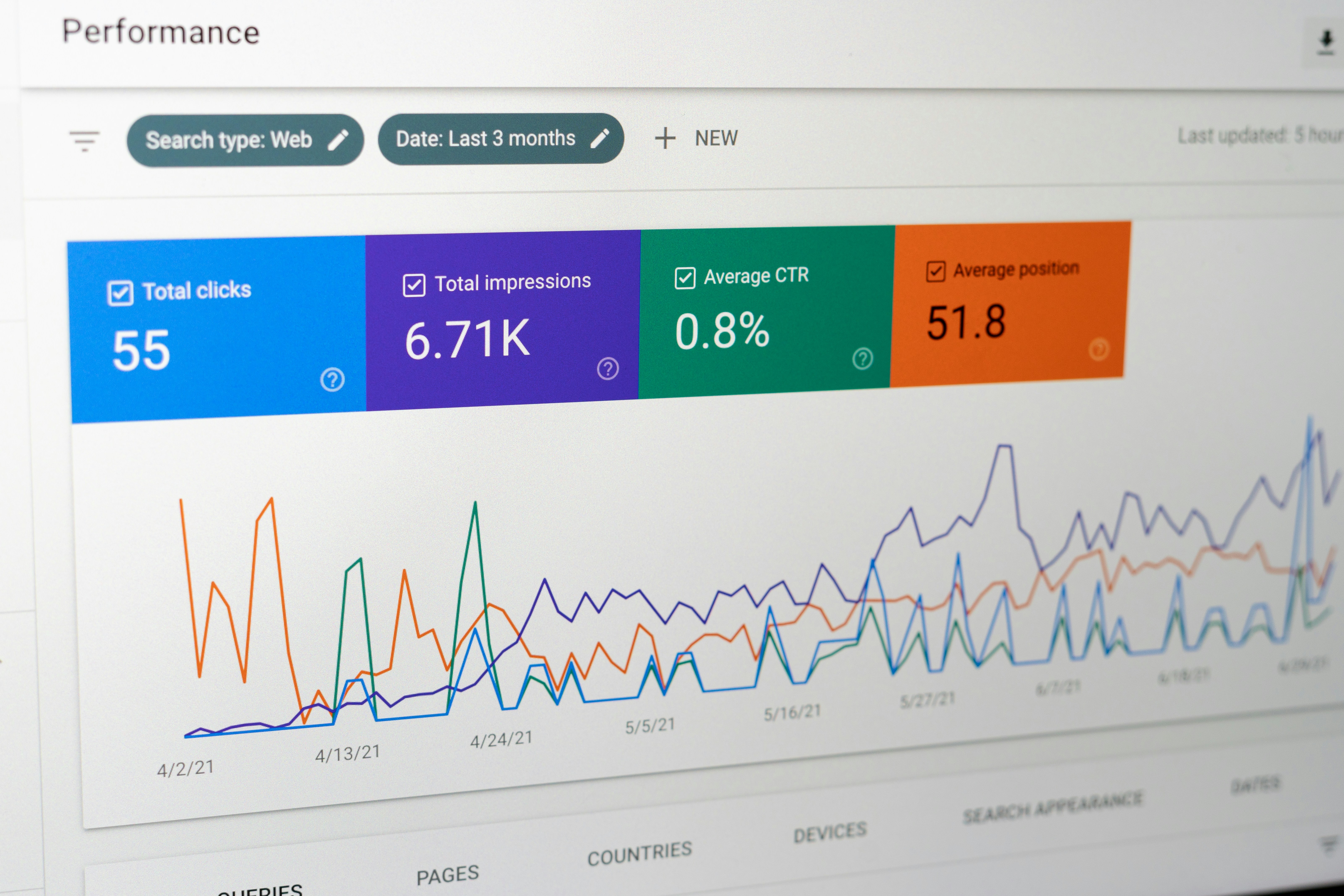
Introduction to SEO Success
Search Engine Optimization (SEO) has become a crucial aspect of digital marketing, yet the definition of SEO success encompasses more than just achieving high rankings on search engines. While many marketers equate successful SEO efforts solely with the position of their website in search results, this narrow perspective overlooks other essential metrics that reflect the effectiveness of a comprehensive SEO strategy. Instead, a broader definition of SEO success must include various Key Performance Indicators (KPIs) that provide insights into user engagement, conversion rates, and overall website performance.
KPIs are quantifiable measures used to gauge the performance of various strategies and activities, including SEO initiatives. They help to evaluate how well a website meets its goals and objectives, revealing not just where it ranks in search engine results, but also how effectively it fulfills user intentions. By leveraging KPIs, marketers can assess the strengths and weaknesses of their SEO strategies, allowing for data-driven adjustments that lead to improved outcomes.
For instance, evaluating organic traffic growth can provide context on SEO success and engagement levels. It reveals whether the target audience finds the content relevant and valuable. Moreover, metrics such as bounce rates, conversion rates, and time spent on site are indispensable in understanding user behavior. Implementing a holistic approach to measure SEO effectiveness moves the focus from rankings alone to a broader spectrum of user engagement and satisfaction.
Incorporating diverse KPIs into the SEO evaluation process enables marketers to craft strategies that not only aim for high search engine positions but ultimately create a more meaningful interaction with their audience. As we delve deeper into the various KPIs that can be utilized for measuring SEO success, it is important to recognize that these metrics collectively offer a more comprehensive view of a website’s overall performance in a competitive digital landscape.
Understanding the Limitations of Rankings
While search engine rankings are often considered a primary indicator of SEO success, relying solely on this metric can be misleading. Search algorithms are complex and frequently updated, meaning that rankings can fluctuate considerably within short periods. Changes in an algorithm can unexpectedly impact a website’s visibility and position in search engine results pages (SERPs), rendering a temporary ranking high or low less meaningful in understanding long-term SEO performance. Adapting to these algorithm changes requires a strategic approach, making rankings a less stable benchmark for evaluating overall effectiveness.
Furthermore, the variety of keywords one targets can significantly influence ranking outcomes. Different keywords hold varying levels of relevance and competitiveness, with some generating more traffic and engagement than others. Therefore, obtaining a high ranking for a low-traffic keyword does not necessarily correlate to meaningful engagement or conversions. Successful SEO requires not just ranking for keywords, but for the right keywords that align with user intent and business objectives.
Additionally, there is often a misalignment between rankings and business goals. For instance, a website may achieve a top ranking for a target keyword but might not yield the desired return on investment (ROI) or conversion rate. This disconnect underscores the importance of employing a more comprehensive set of performance metrics. Focusing only on rankings might obscure a full understanding of user engagement, brand visibility, and revenue generation. Hence, businesses must look beyond ranking alone to capture a complete picture of their SEO success by integrating various metrics that correspond to their specific goals.
Traffic Metrics: Beyond Search Rankings
When evaluating the success of an SEO strategy, it is crucial to look beyond just search rankings and delve into various traffic-related key performance indicators (KPIs). These metrics provide a more comprehensive understanding of a website’s performance and its overall engagement levels. Among the most pertinent traffic metrics are organic traffic, direct traffic, and referral traffic. Each of these metrics offers unique insights into how users are finding and interacting with a website.
Organic traffic pertains to visitors who arrive at your site through unpaid search results. This metric is a significant indicator of how well your SEO efforts are performing, as a steady increase in organic traffic often signifies effective keyword targeting and content optimization. In contrast, direct traffic is comprised of visitors who type your URL directly into their browser or those who access it through bookmarks. This metric suggests strong brand recognition and loyalty, highlighting the importance of a solid online presence.
Referral traffic, which comes from links on other websites, complements these metrics by demonstrating the effectiveness of your outreach and partnerships. High referral traffic can indicate successful collaboration with influencers or other websites, enhancing your brand’s visibility and reach. Additionally, it can offer insight into the quality of content shared across the web.
In tandem with traffic metrics, user engagement metrics such as session duration and pages per session play a pivotal role in evaluating the effectiveness of your SEO strategy. A longer session duration typically indicates that users are finding your content valuable, while an increased number of pages per session suggests that they are exploring your site thoroughly. By analyzing these comprehensive metrics, businesses can gain clarity into their site’s performance and its effect on conversion rates, ultimately contributing to a more effective SEO strategy.
User Engagement and Behavioral Metrics
User engagement is a fundamental aspect of measuring SEO success, as it reflects how effectively a website attracts and retains its visitors. Key metrics such as bounce rate, click-through rate (CTR), and conversion rate provide valuable insights into user behavior, helping to assess the overall performance of a website beyond just its rankings on search engines.
Bounce rate is a critical indicator of user engagement; it measures the percentage of visitors who leave a site after viewing only one page. A high bounce rate may suggest that the content is not meeting user expectations or that users find it unappealing. Conversely, a lower bounce rate indicates that visitors are finding relevant information and are more likely to explore additional pages. Thus, reducing bounce rate is vital for enhancing user experience and can also positively influence SEO rankings as search engines prioritize sites that keep users engaged.
Click-through rate (CTR) is another essential metric that gauges how well a website’s listing performs in search engine results. It measures the percentage of users who click on a site’s link after it appears in search results. A higher CTR often signifies that the content, title, or meta description is compelling, leading to increased visitor traffic. By optimizing these elements, webmasters can enhance CTR, which can indirectly benefit SEO by signaling to search engines that the site is relevant to user queries.
Conversion rate is perhaps the most crucial metric for evaluating user engagement, as it measures the percentage of visitors who complete desired actions, such as making a purchase or signing up for a newsletter. A strong conversion rate reflects not only effective traffic acquisition but also the quality of user experience and content relevancy. In the competitive landscape of SEO, focusing on user engagement metrics allows site owners to refine strategies, thereby driving both traffic and conversions, which are essential for sustainable online success.
Conversion Tracking: The Ultimate Metric
In the realm of search engine optimization (SEO), a focus on rankings alone does not provide a complete picture of success. Conversion tracking emerges as an essential Key Performance Indicator (KPI) that measures the effectiveness of SEO strategies by detailing how website visitors engage with your site. While achieving a high ranking on search engines is a significant milestone, the ultimate goal is to convert visitors into customers, leads, or other desired actions that contribute to the business’s objectives.
There are numerous approaches to measuring conversions, each tailored to fit different business models. For e-commerce websites, tracking sales is straightforward; one can utilize tools such as Google Analytics to monitor completed purchases, conversion rates, and average order values. In contrast, for service-oriented businesses, defining conversions may involve tracking form submissions, newsletter sign-ups, or phone calls, which require careful configuration to accurately capture these leads.
Setting up clear goals for conversion tracking is paramount. Utilizing the SMART criteria – Specific, Measurable, Achievable, Relevant, and Time-bound – can help ensure your goals align with both marketing efforts and company objectives. Additionally, it is crucial to implement conversion tracking codes on your website to provide accurate data on user behavior. By analyzing this data, businesses can identify which sources of traffic yield the highest conversion rates, allowing them to optimize their SEO efforts accordingly.
Moreover, employing conversion rate optimization (CRO) techniques can significantly enhance the outcomes of your SEO initiatives. A/B testing strategies, user experience enhancements, and targeting high-intent keywords can facilitate improved website interactions, thereby boosting conversion rates. Ultimately, effective conversion tracking serves not only as a reflection of SEO success but also as a pathway to long-term business growth.
The Role of Brand Awareness and Visibility
Brand awareness and visibility play a critical role in the broader context of search engine optimization (SEO). While traditional metrics such as organic rankings and traffic are important, understanding how SEO influences brand recognition is equally essential for long-term success. Enhanced visibility through effective SEO strategies often leads to a rise in branded searches, which indicates that potential customers are actively seeking a specific brand, rather than generic products or services.
Branded searches are a direct reflection of a company’s reputation and perceived value in the marketplace. As consumers engage with a brand’s content, they are more likely to share it across various social media platforms. The volume of social shares becomes an important metric, as it signifies both engagement and the potential reach of the brand. With more individuals sharing and discussing a brand’s offerings, the likelihood of converting these engagements into loyal customers increases.
Moreover, mentions of a brand across digital channels can significantly enhance its visibility. These mentions not only contribute to SEO through backlinks and referral traffic but also cultivate a positive narrative around the brand. As more users discuss and acknowledge a brand, its credibility in the eyes of search engines is fortified, potentially leading to improved organic rankings over time.
Search engines increasingly prioritize brands that demonstrate significant visibility and engagement. Therefore, businesses must focus on creating valuable content that resonates with their audience, driving both organic engagement and social interaction. By correlating increased brand awareness with broader business objectives—such as customer loyalty and conversion rates—organizations can better assess how their SEO efforts contribute to overall performance and growth.
Leveraging Backlinks and Domain Authority
Backlinks, often described as the cornerstone of modern SEO, play a crucial role in determining a website’s authority and credibility. A backlink is essentially a hyperlink from one website to another, acting as a vote of confidence from the referring site. The more quality backlinks a site possesses, the more it is perceived as a valued source of information within its niche. This perception not only elevates the site’s standing in the eyes of search engines but also enhances the user experience by guiding visitors to relevant content.
Moreover, domain authority (DA) is a metric developed by SEO experts to predict how well a website will rank on search engine results pages (SERPs). This score, which ranges from 1 to 100, is influenced by various factors, prominent among them being the quantity and quality of backlinks a site receives. High-quality backlinks from authoritative sources can significantly boost a site’s domain authority, making it more competitive in its field. Consequently, a higher domain authority often correlates with improved search engine visibility and potential traffic growth.
Monitoring backlinks and domain authority provides valuable insights into a website’s SEO performance. Tools like Moz, Ahrefs, and SEMrush offer analytics that help website owners evaluate their backlink profile, identify linking domains, and assess domain authority changes over time. A strategic approach to building and managing backlinks can aid in enhancing both authority and overall SEO effectiveness. By focusing on obtaining links from reputable sites within the same industry, businesses can fortify their online presence, fostering greater trust and engagement with their target audience. In the highly competitive digital landscape, a committed effort towards refining backlinks and improving domain authority is indispensable for sustained SEO success.
Technical SEO Metrics: Enhancing User Experience
Technical SEO metrics play a pivotal role in determining the overall health and effectiveness of a website. Among these metrics, site speed, mobile-friendliness, and indexation rates are especially critical as they not only influence search engine rankings but also directly impact user experience. A website that loads quickly provides a smoother navigation experience, which is essential for retaining visitors. Studies have shown that users are more likely to abandon a site if it takes longer than three seconds to load. Therefore, optimizing site speed should be a primary focus for webmasters looking to enhance their SEO success.
Mobile-friendliness is another essential technical SEO metric in today’s digital landscape. With an increasing number of users accessing the internet via mobile devices, it is paramount for websites to be responsive and accessible on various screen sizes. A mobile-optimized site ensures that users can easily navigate, read, and interact with content, thereby reducing bounce rates and increasing engagement. Search engines, too, prioritize mobile-friendly websites, rewarding them with higher rankings in search results.
Additionally, indexation rates are crucial for ensuring that search engines can accurately crawl and index a website’s content. If a website is not properly indexed, it risks being invisible in search engine results pages, regardless of the quality of its content. Regularly monitoring indexation rates helps identify and rectify issues that may hinder search engines from effectively understanding the site’s structure and content. By focusing on these technical SEO metrics, website owners can significantly enhance the user experience, leading to greater user retention and engagement, essential components for achieving long-term SEO success.
Conclusion and Future Outlook
In assessing SEO success, it is imperative to recognize that focusing solely on rankings does not provide a complete picture. Throughout this discussion, various key performance indicators (KPIs) have been outlined that go beyond mere SERP positions, such as organic traffic, user engagement metrics, domain authority, and conversion rates. Understanding these metrics enables businesses to gauge the effectiveness of their SEO strategies more comprehensively. The combination of these different measures offers insights into how well a website performs in attracting, engaging, and converting visitors, which are crucial in today’s digital landscape.
Moreover, the significance of user experience and page performance cannot be overstated. Metrics like bounce rate, average session duration, and pages per session play critical roles in determining how users interact with content. These KPIs can indicate whether a website fulfills user intent and meets audience expectations, which is essential for driving sustainable organic growth.
Looking toward the future, it is essential for SEO practitioners to remain vigilant regarding emerging trends and tools that can enhance measurement techniques. Innovations in AI, data analytics, and user experience optimization are reshaping the SEO landscape. Keeping abreast of these developments and adapting measurement strategies accordingly will ensure the continuous refinement and progress of SEO initiatives. As technology evolves, the tools available for analyzing and optimizing SEO efforts will also expand, allowing for even more sophisticated evaluations of success metrics.
In conclusion, measuring SEO success requires a multifaceted approach. By utilizing a combination of various KPIs and remaining attuned to industry advancements, businesses can enhance their digital strategies effectively and remain competitive in an ever-changing online environment.