
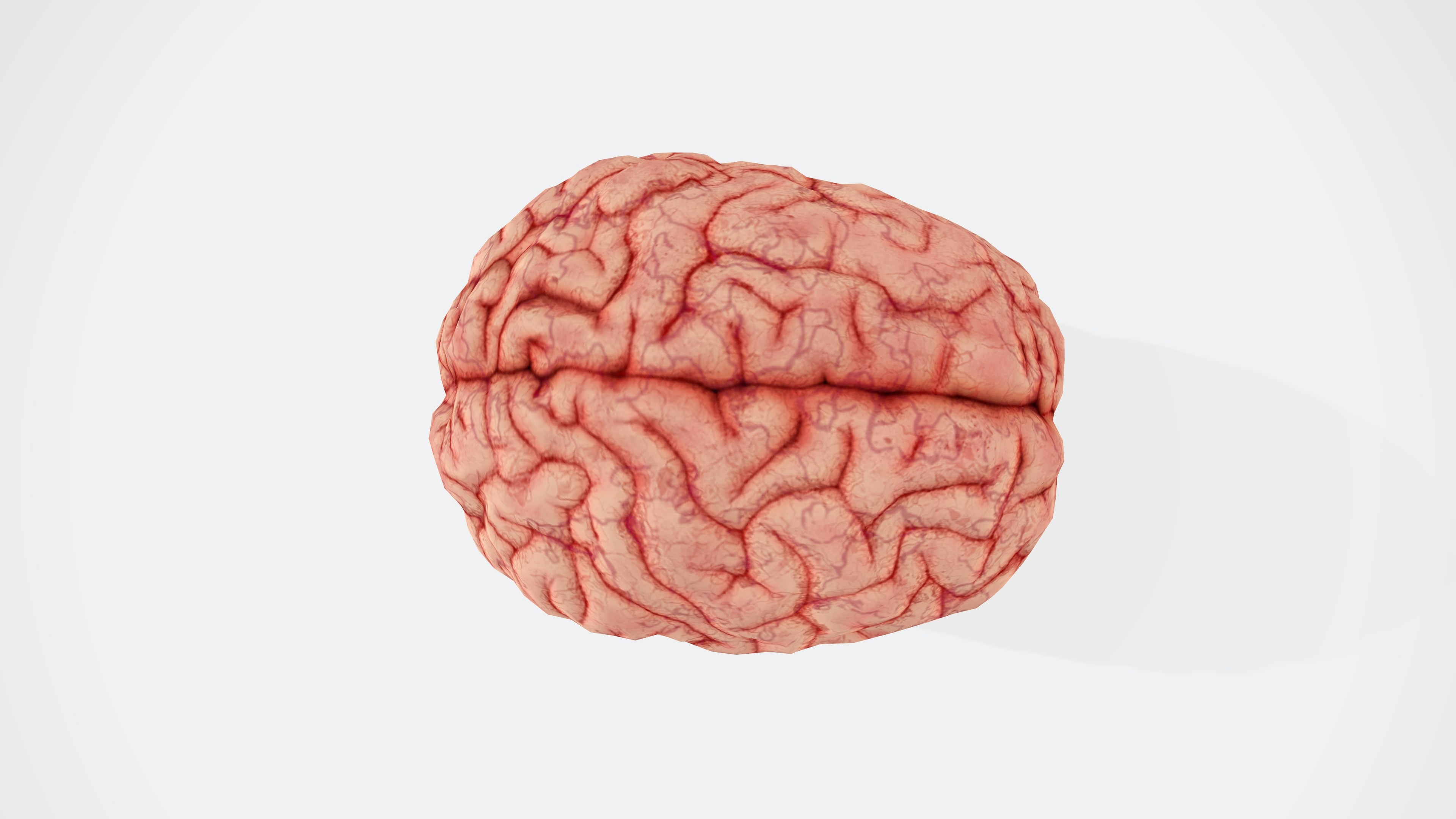
Introduction to the Brain
The human brain, an intricate and sophisticated organ, serves as the control center for the body, governing various biological functions and cognitive processes. Weighing approximately three pounds, the brain comprises approximately 86 billion neurons, each connected through synapses, facilitating a complex communication network. This delicate interplay enables a multitude of functions, from basic physical movements to advanced reasoning and emotional responses. Understanding the brain’s design unveils insights into its vital role in shaping behavior and cognition.
Cognition, which encompasses thought processes such as memory, learning, and decision-making, relies heavily upon the brain’s multifaceted structure. Different regions specialize in various tasks; for instance, the frontal lobe is pivotal in problem-solving and decision-making, while the hippocampus is essential for memory formation. This specialization also accounts for diverse human experiences, influencing behaviors such as social interactions, emotional responses, and even language usage.
Moreover, the brain’s plasticity reflects its ability to adapt and reorganize itself in response to learning and experiences, shedding light on how individuals can change throughout their lives. This characteristic highlights the potential for cognitive development and rehabilitation following injury or impairment, underscoring the importance of nurturing mental health and cognitive function.
The brain also plays a critical role in maintaining homeostasis and regulating bodily functions through the autonomic nervous system. It influences physiological processes such as heart rate, blood pressure, and digestion, showcasing its significance in both physical and mental health.
As we delve into the myriad of surprising facts and findings about the brain, it is essential to appreciate its fundamental importance. Understanding our brains not only deepens our knowledge of ourselves but also enhances our ability to navigate the complexities of life, making the study of this remarkable organ a fascinating journey.
The Brain Develops Throughout Life
The human brain is often mistaken for an organ that stops developing after a certain age. However, evidence from neuroscience reveals that the brain undergoes continual growth and transformation throughout an individual’s life, a concept known as neuroplasticity. Neuroplasticity refers to the brain’s ability to reorganize itself by forming new neural connections in response to learning, experience, and injury. This remarkable adaptability highlights the brain’s ability to evolve in structure and function, regardless of age.
During childhood, the brain experiences extensive growth, with critical developments occurring in the first few years of life. This period is characterized by rapid synaptogenesis, where an abundance of synapses forms, allowing for increased neural connections. The environment and experiences play a pivotal role during this stage, as interactions, education, and emotional support have lasting effects on the brain’s architecture. As children mature, the brain transitions into adolescence, where it undergoes significant pruning—the elimination of unnecessary synapses—resulting in more efficient pathways for information processing.
The development of the prefrontal cortex, which is responsible for higher cognitive functions such as decision-making and impulse control, continues into early adulthood. This ongoing maturation underscores the capacity for new skills acquisition and cognitive enhancement well past the teenage years. Even in later adulthood, engaging in complex tasks, learning new languages, or participating in social activities can stimulate neuroplasticity, leading to improved cognitive resilience and overall brain health.
In conclusion, the brain’s development is a lifelong journey influenced by experiences, learning, and environmental factors. Embracing opportunities for growth and engagement throughout life can contribute positively to mental capacity, thereby reinforcing the significance of continuous personal development.
Brain Consumption of Energy
The human brain is a fascinating organ, accounting for approximately 2% of the body’s total weight. Despite its relatively small size, it is responsible for consuming a staggering amount of energy. In fact, the brain requires around 20% of the total energy expenditure of an individual at rest. This energy use allows it to perform essential functions, such as maintaining homeostasis, regulating emotions, and enabling cognitive processes.
When engaged in activities that require focused mental effort, the brain’s energy consumption can increase even further. Tasks that involve complex problem-solving, decision-making, and learning can cause the brain to demand an additional energy supply. This additional demand is indicative of the brain’s neuroplasticity and its ability to adapt and reorganize itself in response to new information or experiences. It is a clear demonstration of how actively and continuously the brain works, even when we may not be aware of it.
This high energy consumption has significant implications for overall health and well-being. The brain relies primarily on glucose as its energy source, which emphasizes the importance of a balanced diet rich in carbohydrates in supporting cognitive function. Insufficient nutrient intake can impair brain performance, affecting memory, attention, and overall cognitive capabilities. Moreover, understanding the brain’s energy demands can shed light on various neurological and psychological disorders. Conditions such as chronic fatigue syndrome or depression may be linked to disruptions in the brain’s energy metabolism, leading to decreased functionality and heightened fatigue.
In summary, the brain’s impressive energy consumption underlines its vital role in human functioning. Understanding its energy demands is crucial for promoting optimal brain health and identifying potential cognitive impairments. This knowledge not only highlights the need for proper nutrition but also informs strategies for maintaining and enhancing cognitive performance throughout an individual’s life.
Multi-tasking and the Brain
Multitasking has become a prevalent aspect of modern life, often celebrated as a valuable skill in both personal and professional contexts. However, research indicates that the human brain is not equipped to efficiently perform multiple tasks simultaneously. The misconception that multitasking enables heightened productivity overlooks the cognitive limitations inherent in the brain’s processing capabilities.
When individuals engage in multitasking, they do not actually conduct several tasks at the same time. Rather, the brain switches rapidly between different activities, a process known as task-switching. This switching comes with significant costs; studies have shown that it can lead to a decrease in performance, increase cognitive load, and perpetuate feelings of mental fatigue. Each transition demands time and energy, detracting from overall productivity.
Moreover, the effectiveness of multitasking diminishes as the complexity of tasks increases. Simple and routine tasks might allow for some degree of simultaneous handling, yet when faced with tasks that require critical thinking, deep concentration, or creativity, the brain’s capacity to manage multiple demands effectively diminishes. This reality emphasizes the importance of focusing on one task at a time to optimize performance and enhance cognitive function.
In today’s fast-paced environment, individuals may feel pressured to juggle multiple responsibilities. Nonetheless, prioritizing single-task engagement can foster better learning, understanding, and retention of information. By allowing the brain to fully engage with one task, individuals can experience greater efficiency and satisfaction in their work. Ultimately, acknowledging the brain’s limitations regarding multitasking is crucial for fostering a more productive and less stressful workflow.
Memory Formation and Retention
The human brain is a complex organ responsible for various functions, one of which is the formation and retention of memories. Memory can generally be categorized into two primary types: short-term memory and long-term memory. Short-term memory, often referred to as working memory, allows individuals to hold and manipulate information temporarily, typically for a duration of seconds to minutes. It is essential for tasks such as problem-solving and decision-making. Conversely, long-term memory encompasses information stored over extended periods, which can be days, months, or even a lifetime.
The process of memory formation involves several stages, starting with encoding. During encoding, sensory information is transformed into a format suitable for storage within the brain. This can occur through various methods, including visual imagery and semantic processing, where the meaning of the information is emphasized. Once encoded, memories transition to consolidation, where they are stabilized and integrated with existing knowledge. This phase can be influenced by various factors, such as emotional states, which can enhance the likelihood of memory retention.
Retaining memories is not merely about passive storage; it requires active retrieval and reconsolidation processes. Factors that affect memory retention include attention, context, and even the environment in which learning occurs. For instance, studies have shown that people often recall information better when they are tested in the same context in which they learned it, known as context-dependent memory. Additionally, the spacing effect suggests that distributing learning over time significantly improves long-term retention compared to cramming, making regular review of material vital for effective memory maintenance.
In summary, understanding how memory formation and retention operates reveals the intricacies of the brain’s functionality and the multitude of factors influencing our ability to remember. By harnessing techniques that improve both encoding and retrieval, individuals can enhance their memory capabilities and optimize their learning experiences.
The Brain’s Pain Perception
The perception of pain is a multifaceted process that involves not only the detection of physical stimuli but also the complex interpretation of these signals by the brain. When the body experiences injury or damage, nociceptors, which are specialized nerve endings, send pain signals to the spinal cord and subsequently to the brain. However, the experience of pain is not merely a straightforward transmission of these signals; it is significantly influenced by various psychological and contextual factors.
The brain’s interpretation of pain signals is deeply intertwined with emotional responses. Research demonstrates that factors such as stress, anxiety, and past experiences can greatly alter the perception of pain. For example, individuals with high levels of anxiety may experience pain more intensely than those who are more relaxed. This highlights the role of the brain not only as a receiver of pain signals but also as an integrative organ that influences how pain is felt and processed.
Chronic pain conditions further illustrate this complex relationship. Disorders such as fibromyalgia and chronic migraine are often characterized by persistent pain that cannot be directly correlated with any identifiable physical cause. In these cases, changes in the brain’s chemistry and neural pathways may lead to a heightened sensitivity to pain, often resulting in an exaggerated response to non-painful stimuli, a phenomenon known as allodynia. In essence, the brain can become wired to interpret signals as painful even when they should not be, emphasizing the intricate connection between our neural networks and physical sensations.
In sum, the perception of pain involves a sophisticated interplay between the physical sensations relayed by the nervous system and the brain’s interpretative mechanisms, making pain a uniquely subjective experience. Understanding this complexity can improve our approaches to pain management and treatment.
Emotional Processing and the Brain
The human brain is a complex organ that plays a crucial role in processing emotions. Various regions work together to generate and regulate emotional responses, fundamentally influencing our behavior and decision-making processes. One of the primary areas involved in emotional processing is the amygdala, which is essential for detecting emotional stimuli, particularly those related to fear. This small, almond-shaped structure initiates immediate responses that can be vital for survival, such as the fight-or-flight response.
Another critical region is the prefrontal cortex. This area is responsible for higher-level functions, such as reasoning, problem-solving, and planning, enabling individuals to evaluate and regulate their emotions. The interplay between the amygdala and the prefrontal cortex exemplifies how our emotional reactions can be influenced by rational thought and, conversely, how strong emotions can impact our decision-making abilities. For instance, when faced with a stressful situation, the amygdala may trigger an immediate emotional reaction, while the prefrontal cortex allows for consideration of long-term consequences before acting.
Moreover, the connection between emotion and memory plays a significant role in how we navigate our surroundings. The hippocampus, responsible for forming new memories, is closely linked to the amygdala, helping to encode emotional experiences. This connection often results in vivid memories associated with particular feelings, demonstrating why emotionally charged events are typically more memorable than neutral ones. The intertwining of emotion and memory highlights a significant aspect of human behavior, as past experiences can shape future emotional reactions and influence decision-making.
Overall, the intricate relationship among these brain regions underscored the complexity of emotional processing, revealing just how deeply feelings can inform and affect our daily lives.
The Influence of Gut Health on Brain Function
Recent studies have begun to highlight the intricate relationship between gut health and brain function, a connection often referred to as the gut-brain axis. This bi-directional communication pathway between the gut and the brain involves various mechanisms, including neural, immunological, and hormonal processes. The gut microbiome, which comprises trillions of microorganisms residing in the digestive tract, plays a pivotal role in this system and has gained significant attention for its impact on mental health and cognitive functions.
Research indicates that the gut microbiome may influence brain health by producing neurotransmitters and short-chain fatty acids that affect mood and cognition. For instance, certain gut bacteria can synthesize serotonin, a neurotransmitter critical for regulating mood, which implies that a healthy gut might contribute to emotional well-being. Moreover, the gut microbiome’s composition can affect the production of other essential neurotransmitters, thereby influencing various cognitive functions such as memory and attention.
Beyond its role in neurotransmitter production, gut health may also impact the brain through the modulation of the immune system. The gut acts as a barrier and plays a crucial role in the body’s immune response. An imbalance in gut bacteria can lead to systemic inflammation, which has been associated with neurological disorders and cognitive decline. This highlights the importance of maintaining a balanced gut microbiome for overall brain health.
Additionally, emerging research suggests that dietary choices significantly affect gut health and, consequently, brain function. Diets rich in fiber, fermented foods, and diverse plant-based options can promote a thriving microbiome, potentially enhancing cognitive capabilities and emotional resilience. As the understanding of the gut-brain axis evolves, it becomes increasingly clear that nurturing gut health may be an essential factor in supporting brain function and mental well-being.
Sleep’s Critical Role in Brain Health
Sleep is an essential component of overall brain health, playing a pivotal role in cognitive processes such as learning, memory consolidation, and emotional regulation. Scientific research has shown that during sleep, particularly during rapid eye movement (REM) and slow-wave sleep (SWS), the brain undergoes various restorative processes that are crucial for optimal functioning. In these stages of sleep, the brain actively processes information, integrating new memories with existing knowledge, thereby enhancing the learning process.
One of the primary functions of sleep is memory consolidation, where short-term memories are transformed into long-term ones. This phenomenon occurs during both deep sleep and REM sleep, which is associated with vivid dreaming and emotional processing. The brain appears to sort and prioritize information absorbed during the day, discarding what is deemed unnecessary while reinforcing valuable knowledge. This critical function underscores the importance of getting sufficient sleep to facilitate effective learning.
In addition to its role in memory, sleep contributes significantly to emotional regulation. A well-rested brain is better equipped to manage stress and emotions. Lack of adequate sleep can lead to heightened emotional reactivity and impaired decision-making, making one more susceptible to anxiety and mood disorders. Studies have shown that individuals experiencing chronic sleep deprivation are more likely to report feelings of irritability and stress, further emphasizing the connection between sleep and emotional well-being.
Moreover, sleep is vital for maintaining neuroplasticity—the brain’s ability to adapt and reorganize itself in response to new information and experiences. This adaptability is crucial for learning new skills and recovering from injuries. Therefore, prioritizing quality sleep should be a key focus for anyone seeking to enhance cognitive function, retain information, and support emotional health. Ultimately, understanding and valuing the connection between sleep and brain health can lead to improved overall well-being.