Introduction to the Stress Dilemma in Our Digital Age
In today’s fast-paced society, stress has become a common experience, significantly influenced by the prevalence of digital technologies. The modern world thrives on constant connectivity, where smartphones and the internet play a pivotal role in keeping individuals linked to information and communication at all times. While these advancements have undoubtedly enhanced productivity and accessibility, they have also contributed to a growing mental strain, as individuals often find it challenging to disconnect from their digital lives.
Research indicates that the relentless flow of notifications, emails, and social media updates can lead to feelings of overwhelm and anxiety. The expectation to respond immediately to messages has blurred the lines between personal and professional life, making it difficult for individuals to find moments of solace. This constant barrage of information can create an environment where stress flourishes, making effective stress management more vital than ever. As individuals navigate through a sea of digital distractions, they may find themselves grappling with heightened stress levels and mental fatigue.
The phenomenon of “FOMO” (Fear of Missing Out) is also amplified by social media platforms, where users are frequently exposed to curated representations of others’ lives. This can lead to comparisons that are detrimental to mental well-being, further exacerbating feelings of inadequacy and anxiety. Additionally, scrolling through news feeds can result in exposure to negative news cycles, which can further add to psychological pressure. Thus, it is crucial to recognize the relationship between digital technology and stress, as it underscores the necessity for effective stress management strategies.
In light of these challenges, developing a mindful approach to digital engagement can help mitigate stress. Understanding and implementing stress management techniques can empower individuals to regain control over their mental health in an environment that seems to perpetuate anxiety.
Understanding Stress: What Happens to Our Bodies and Minds
Stress is a complex response that encompasses both physiological and psychological dimensions, affecting individuals in varied ways. When we encounter a perceived threat or challenge, the body activates its stress response system, commonly referred to as the fight-or-flight response. This reaction is orchestrated by the hypothalamus, which signals the adrenal glands to release stress hormones such as cortisol and adrenaline. Elevated levels of these hormones prepare the body to confront or flee from the stressor but can lead to various health complications when consistently triggered.
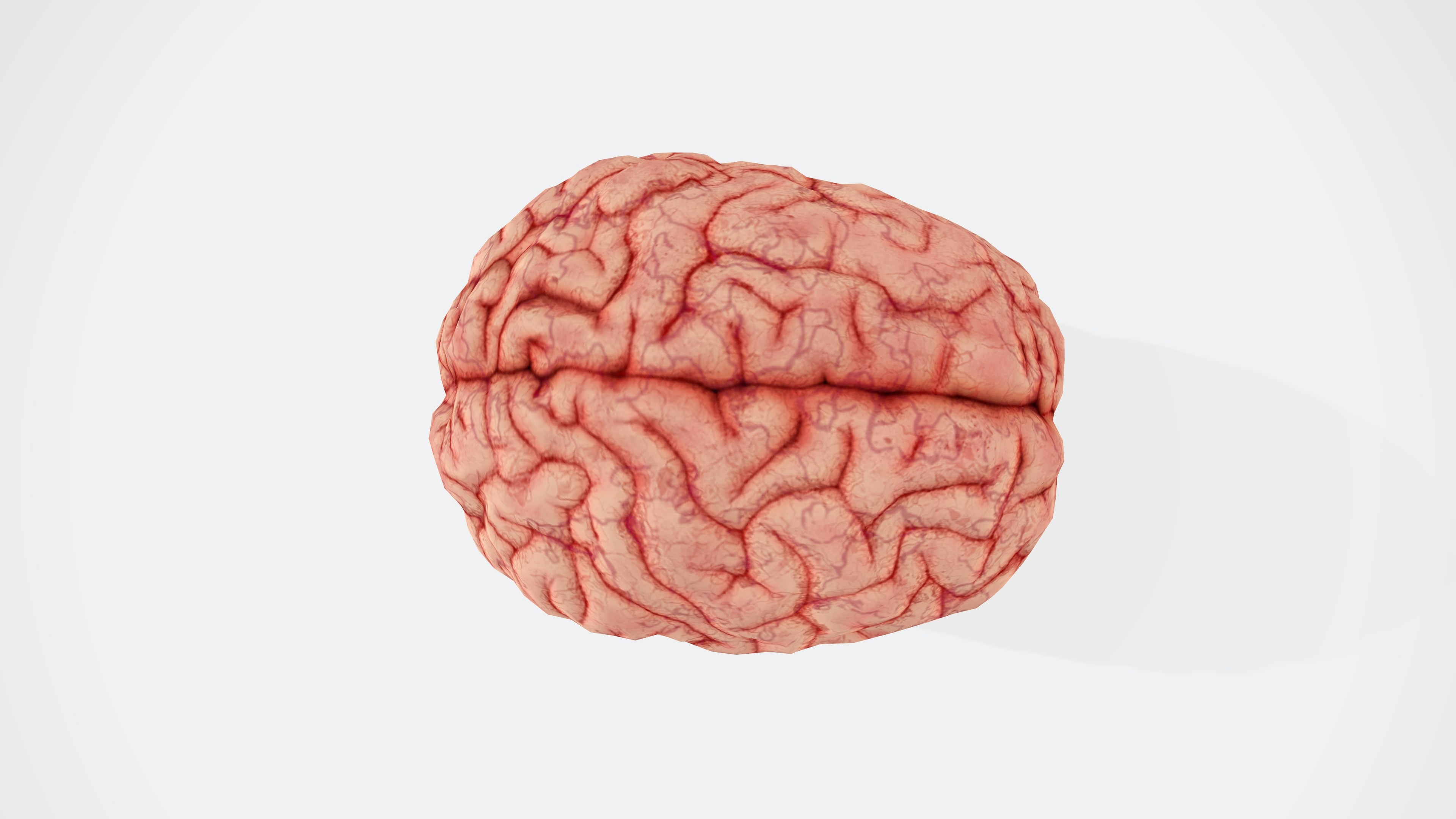
In terms of physiological effects, chronic stress can lead to a myriad of health issues, including cardiovascular diseases, weakened immune response, and digestive problems. The heart rate increases, breathing quickens, and blood flow is redirected to ensure that essential organs receive sufficient oxygen and nutrients. However, prolonged exposure to stress can result in damage to these systems, contributing to later health complications. Additionally, the brain is directly affected; under stress, the amygdala, which regulates emotions, becomes more active, while the prefrontal cortex, responsible for decision-making and impulse control, sees decreased functionality. This neurological imbalance can lead to emotional issues such as anxiety and depression.
On a psychological level, chronic stress disrupts overall emotional health and can impair our cognitive functions, affecting memory, attention span, and problem-solving abilities. This is particularly pertinent in a 24/7 digital world, where cumulative stress from constant connectivity can significantly impact one’s mental state. The incessant influx of information and the pressure to respond immediately can exacerbate these feelings of overwhelm, fostering a cycle of stress that may leave individuals feeling burnt out and disengaged. Acknowledging the effects of stress on both the body and mind is crucial for prioritizing effective stress management techniques and maintaining overall well-being in today’s fast-paced digital landscape.
Identifying Stress Triggers in the Digital Realm
In today’s fast-paced, 24/7 digital world, the pervasiveness of technology can significantly contribute to stress. Understanding the various stressors stemming from digital interactions is essential for effective stress management. One prominent trigger is the pressure associated with social media. Platforms designed for connectivity often lead users to engage in constant comparison with others, cultivating feelings of inadequacy and anxiety. The curated lives showcased on these platforms can skew perceptions of reality, causing users to feel overwhelmed by unrealistic standards.
Another significant contributor to stress in the digital realm is information overload. With an abundance of content available online, individuals often find themselves bombarded with news updates, notifications, and advertisements. This incessant flow of information can lead to cognitive fatigue, making it challenging to focus and process essential tasks. The inability to filter out unnecessary information not only heightens stress levels but also disrupts productivity and overall well-being.
The blurring of work-life boundaries represents yet another stress trigger facilitated by technology. Remote work, enabled by digital communication tools, often results in individuals feeling compelled to remain accessible beyond regular working hours. This continuous connectivity can hinder personal time and foster burnout, as the distinction between work and leisure becomes increasingly ambiguous. Many people struggle to disengage from work-related communications, finding it difficult to create a healthy separation between professional obligations and personal life.
Recognizing and identifying these stress triggers is the first step toward managing stress effectively. By reflecting on personal technology usage patterns, individuals can develop tailored strategies to mitigate these digital-related stressors. Whether it’s setting boundaries for social media use, establishing designated times to engage with digital content, or creating clear separations between work and personal time, understanding triggers is critical in mastering stress management in our modern, interconnected world.
Setting Healthy Boundaries with Technology
In today’s digital age, where information is available at our fingertips around the clock, it becomes imperative to establish healthy boundaries with technology to ensure overall well-being. One effective approach is setting specific screen time limits. Allocating designated periods for device use can help individuals remain cognizant of their digital consumption. Apps and built-in features on smartphones can assist in monitoring usage and sending reminders when set limits are approached. This not only promotes a balanced lifestyle but also instills mindfulness regarding technology usage.
Creating tech-free zones in your daily environment is another practical strategy to reduce reliance on digital devices. By designating areas, such as the bedroom or dining room, as free of screens, individuals can cultivate a focus on personal interactions, mindfulness, and relaxation. These spaces encourage face-to-face conversations and promote quality time that is often diminished by the constant allure of notifications and digital distractions.
Furthermore, establishing ‘do not disturb’ periods throughout the day can significantly enhance stress management. These intervals allow individuals to engage in activities such as meditation, reading, or exercising without the interruptions posed by technology. It is crucial to communicate these boundaries to family and colleagues, ensuring uninterrupted time for these restorative practices. While it may require a conscious effort, the benefits of reclaiming time away from screens are extensive, offering a pathway to improved mental health and better stress management.
In conclusion, setting healthy boundaries with technology involves a multifaceted approach that includes limiting screen time, creating tech-free zones, and establishing ‘do not disturb’ periods. By implementing these strategies, individuals can regain control over their technology use and foster a more balanced, fulfilling lifestyle amidst the 24/7 demands of the digital world.
Mindfulness and Meditation Techniques for Stress Relief
In today’s fast-paced digital environment, individuals often find themselves inundated with information and distractions, leading to increased stress levels. Mindfulness and meditation serve as effective tools to cultivate a sense of awareness and serenity amidst this chaos. By employing certain techniques, individuals can reduce stress significantly and enhance their overall well-being.
One of the simplest yet powerful practices is focused breathing. This technique involves taking a moment to concentrate solely on one’s breath. To execute this, find a quiet space, sit comfortably, and close your eyes. Inhale deeply through the nose, allowing your abdomen to expand, and then exhale slowly through the mouth. Repeat this process for a few minutes, letting go of any distracting thoughts. Breathing exercises not only promote relaxation but also activate the body’s natural relaxation response, which can counteract stress.
Guided meditations are another effective method to incorporate mindfulness into daily routines. These meditations typically involve listening to a recorded session led by an instructor, who will guide practitioners through visualizations and affirmations designed to reduce anxiety and enhance clarity. Numerous mobile applications and online platforms offer a variety of guided meditations catered to different needs, ranging from stress relief to enhanced focus and emotional balance. Allocating just a few minutes each day to engage in guided meditation can forge a more profound connection to the present moment and diminish stress levels.
In addition to these techniques, incorporating mindfulness into everyday activities is beneficial. This can include being fully present while eating, walking, or even while engaged in digital communications. By embodying mindfulness, individuals can transform routine actions into opportunities for stress relief, allowing them to navigate their busy lives more calmly and effectively.
The Importance of Physical Activity in Stress Management
In today’s fast-paced, digital environment, the significance of physical activity in managing stress cannot be understated. Engaging in regular exercise is a powerful and evidence-based strategy for alleviating stress and enhancing overall mental well-being. Physical activity stimulates the production of neurotransmitters such as endorphins and serotonin, which contribute to improved mood and decreased anxiety levels.
Various forms of exercise, including yoga, running, and team sports, play a critical role in stress relief. Yoga, for instance, combines physical movement, breathing techniques, and mindfulness, making it an ideal practice for calming the mind while enhancing physical flexibility and strength. Its emphasis on breath control further aids in reducing cortisol levels, thus directly addressing stress responses.
Running serves as another effective outlet for stress management. Not only does it provide an opportunity for solitary reflection or outdoor exploration, but the rhythmic nature of running can also instigate a meditative state. This allows individuals to clear their minds and focus on their breathing, further mitigating feelings of stress and anxiety.
Team sports present a unique avenue through which physical activity can facilitate social bonding and camaraderie. Engaging in team sports fosters a sense of belonging and shared purpose, which is vital for mental health. The combined effects of physical exertion and supportive relationships significantly contribute to a reduction in stress levels, creating a holistic approach to managing mental health in a 24/7 digital world.
Incorporating physical activity into daily routines is extremely beneficial in countering the stress emanating from excessive screen time. By prioritizing physical health, individuals can cultivate resilience against the pressures of modern life, ultimately leading to a more balanced and fulfilling existence.
Nurturing Social Connections in a Digital World
In today’s fast-paced and digitally interconnected society, maintaining genuine social connections has become more critical than ever. The prevalence of social media and instant communication tools has transformed the way we interact. While these platforms offer convenience, they often lead to superficial connections that lack the depth necessary for effective stress management. Establishing and nurturing meaningful relationships, both online and offline, can significantly buffer against stress and enhance overall well-being.
To foster authentic connections in a digital landscape, it is essential to prioritize quality over quantity. Instead of amassing contacts, individuals should focus on building deeper relationships with a select group of friends or colleagues. Engaging in meaningful conversations, whether virtually or face-to-face, can initiate a more profound emotional connection, offering support during challenging times. Taking the time to listen and share experiences can reinforce these bonds.
Utilizing technology effectively is also vital in nurturing social connections. Regular video calls or virtual meetups can help maintain relationships, especially with those who live far away. These interactions can replicate in-person experiences, allowing for shared moments and activities that strengthen the bond. Additionally, utilizing social networks for interest-based groups can create opportunities for connections with like-minded individuals, promoting a sense of belonging.
Furthermore, balancing your digital interactions with offline activities is essential. Engaging in social events, community gatherings, or casual meet-ups can enrich your relational experiences. Participating in team sports, volunteering, or joining clubs can encourage genuine engagement and provide a vital outlet for stress relief.
Ultimately, the key to stress management in a digital world lies in the intentional cultivation of meaningful social connections. By focusing on depth and genuine engagement, individuals can create a supportive network that enhances emotional resilience and mitigates the challenges of a hyper-connected environment.
Seeking Professional Help: When Stress Becomes Overwhelming
In today’s fast-paced and interconnected digital environment, many individuals experience heightened levels of stress that can become overwhelming. Recognizing when this stress transitions from manageable to unmanageable is crucial. While some stress is a normal part of everyday life, chronic stress can lead to various mental and physical health issues. Signs that one might benefit from professional help include persistent anxiety, overwhelming feelings of sadness, decreased motivation, or difficulties in concentrating. These symptoms can hinder an individual’s ability to perform daily tasks and impact overall well-being.
Therapy and counseling can provide valuable support for those facing excessive stress. Engaging with a trained professional offers a safe space to explore emotions, thoughts, and coping mechanisms. Therapeutic approaches can range from cognitive behavioral therapy (CBT) to mindfulness practices, each tailored to meet an individual’s needs. The benefits of seeking professional help extend beyond coping strategies; therapy can also foster greater self-awareness, resilience, and personal growth. It empowers individuals to address the underlying issues contributing to their stress, facilitating healthier responses to life’s challenges.
Finding the right support is essential. Numerous resources exist to assist individuals in locating qualified mental health professionals. Online directories, community mental health centers, and teletherapy platforms have democratized access to professional help. Furthermore, many employers now recognize the importance of mental health and offer Employee Assistance Programs (EAPs) that provide free counseling services, making it easier for employees to seek help. It is important to remember that reaching out for support is a sign of strength, not weakness. By taking this step, individuals not only address their immediate stressors but also invest in their long-term mental health and well-being.
Creating Your Personalized Stress Management Plan
In an ever-connected digital landscape, creating an individualized stress management plan is essential for maintaining mental well-being. This plan should begin with a thorough reflection on personal stress triggers, which may vary significantly from person to person. Identifying what specifically causes stress in your life can be the first step towards effective management. For instance, some individuals may find that social media usage exacerbates feelings of anxiety, while others might feel overwhelmed by the constant need to respond to emails or messages.
Once you have a clear understanding of your stressors, the next phase is to explore various coping strategies and recognize which ones resonate with you most. Techniques can range from mindfulness through meditation and deep-breathing exercises to physical outlets like exercise or outdoor activities. The key is to try multiple approaches and adopt those that align best with your lifestyle and personal preferences. Journaling, for example, can be a powerful tool for those who prefer introspection, allowing you to articulate your thoughts and emotions while fostering a greater sense of self-awareness.
Setting realistic goals is equally significant within your stress management plan. Consider implementing SMART criteria—Specific, Measurable, Achievable, Relevant, and Time-bound—when outlining your objectives. This might involve allocating specific times during the day for digital detox or designating breaks for physical activity. Even small adjustments, such as limiting screen time or scheduling relaxation activities, can have profound effects when maintained consistently.
Finally, it is crucial to periodically review and adjust your stress management plan to ensure its continued effectiveness. As circumstances change, so too may your coping needs. By nurturing a flexible and personalized approach to stress management, you empower yourself to thrive in the digital world, equipping yourself with the resilience necessary to navigate modern challenges.