
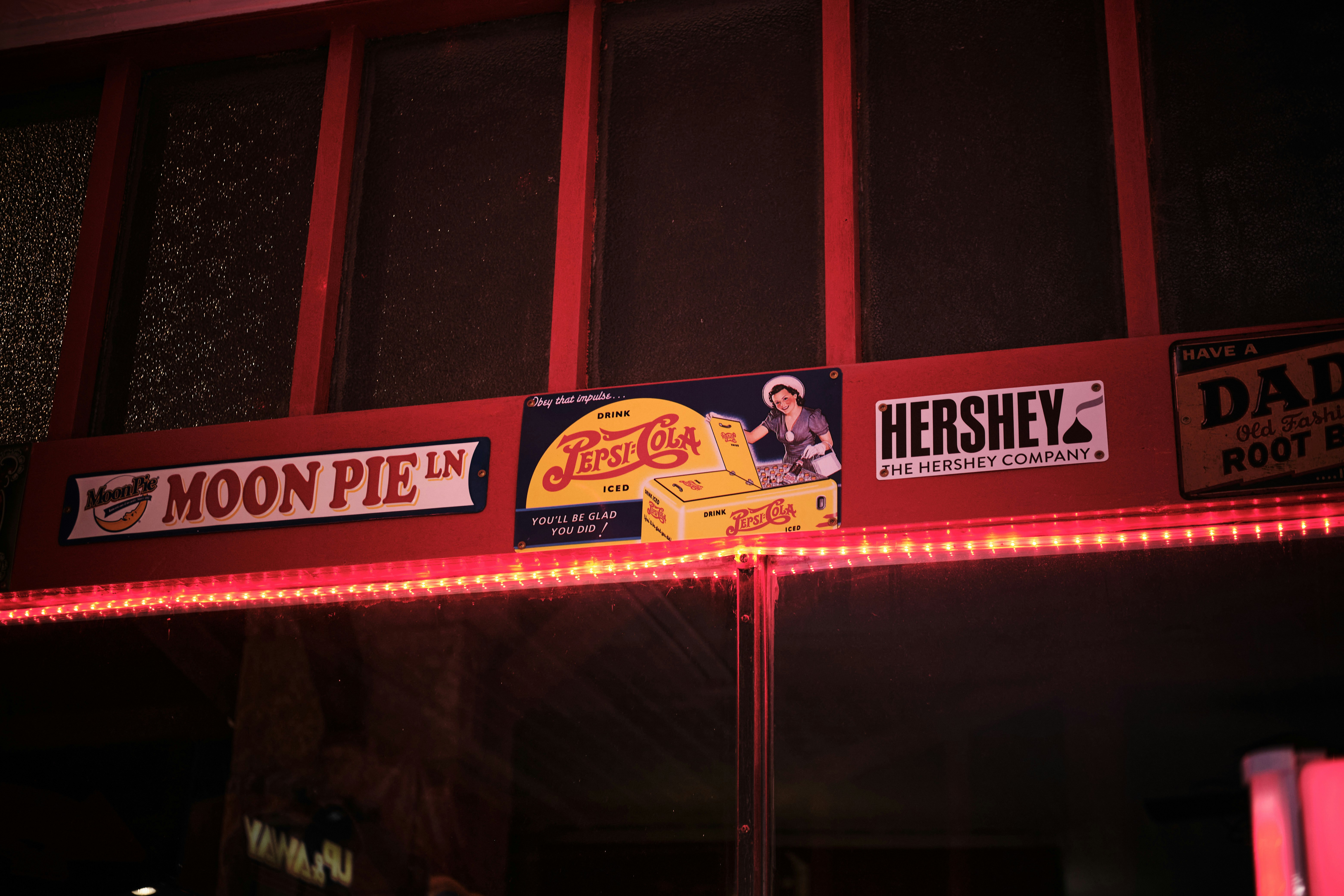
Introduction to Nostalgia Marketing
Nostalgia marketing is a strategic approach that leverages the sentimental affections of consumers, drawing upon their fond recollections of the past to forge deeper connections between them and brands. This technique transcends mere advertising; it taps into powerful emotional responses that can influence purchasing behavior. By evoking feelings related to specific periods, particularly the early 2000s, brands create an environment that is welcoming and relatable, allowing consumers to rekindle their cherished memories.
The significance of nostalgia marketing in contemporary advertising strategies cannot be overstated. Recent studies indicate that nostalgia not only enhances brand perception but also fosters loyalty among consumers. When brands successfully elicit nostalgic emotions, they establish a sense of familiarity that can differentiate them amidst the ongoing competition. The rise of nostalgia-driven campaigns is evident in various forms, from product packaging that harkens back to earlier days, to the revival of television shows and music styles that defined the 2000s.
<p.notably, 2000s="" a="" ability="" action.="" and="" appeals="" are="" as="" aspire="" attracting="" becomes="" brand="" brands="" central="" comfort="" connections="" consumers="" cultural="" culture="" decade.="" demographic="" emotional="" enhance="" example="" experience="" experienced="" familiar="" fashion="" finds="" have="" illustrates="" impact="" in="" increasingly="" is="" it="" its="" loyalty="" marketing="" marketplace="" music,="" nostalgia="" of="" on="" or="" p="" particularly="" perceive="" pillar="" poignant="" profound="" referencing="" reinforce="" resonate="" revival="" serves="" shows—that="" significant="" simpler="" simultaneously="" strategies,="" television="" that="" the="" they="" this="" time.="" to="" today.
The Psychology Behind Nostalgia
Nostalgia, a bittersweet emotional state that recalls fond memories of the past, has a profound impact on consumer behavior. In the realm of marketing, nostalgia serves as a powerful psychological tool, tapping into collective memories to create a sense of comfort and connection. Recent studies suggest that nostalgic feelings can significantly enhance consumer satisfaction, making individuals more inclined to engage with brands that evoke reminiscence through their products and campaigns. This phenomenon can be particularly observed in the revival of trends from the 2000s, where brands harness the emotional resonance of past experiences to foster loyalty and drive sales.
The psychological mechanisms behind nostalgia-driven marketing can be traced to its ability to invoke emotions and stimulate memories. When consumers encounter nostalgic advertisements or products, they are transported back in time, often experiencing feelings of joy, warmth, and security. This emotional response can create a stronger bond between the consumer and the brand, ultimately leading to increased loyalty. Research indicates that nostalgic reminders can boost self-esteem and foster a sense of belonging, making individuals more prone to purchase items that resonate with their past experiences.
Moreover, nostalgia can create a unique consumption experience, intertwining personal history with product offerings. A brand leveraging nostalgic elements can effectively bridge the gap between leisure and consumer behavior, encouraging individuals to associate positive emotions with new purchases. The appeal of nostalgia marketing becomes evident in the cultural revival of the 2000s, where products, music, and fashion from that era evoke collective memories, prompting consumers to seek out those cherished items. When nostalgia is integrated thoughtfully into marketing strategies, it has the potential to not only enhance consumer satisfaction but also foster long-term loyalty, driving growth within a competitive marketplace.
Tracing the Roots: The 2000s Cultural Landscape
The 2000s marked a distinctive era characterized by an amalgamation of cultural, technological, and social shifts that still resonate today. As the millennium turned, various trends emerged that defined this dynamic decade, many of which have resurfaced in contemporary nostalgia marketing strategies. The music industry, for instance, transformed radically with the advent of digital formats, leading to the rise of platforms like iTunes. Artists such as Britney Spears and Eminem dominated the charts, introducing a fusion of pop, hip-hop, and R&B that continues to influence modern soundtracks.
In terms of fashion, the 2000s presented a colorful mix of styles that ranged from low-rise jeans and cargo pants to trucker hats and logo-centric clothing. The concept of “fast fashion” gained traction during this time, reflecting a shift toward more accessible and rapidly produced clothing items that catered to the youth. This era’s aesthetic has become a point of reference for today’s fashion revival, as brands evoke the carefree and eclectic styles that characterized the previous decade.
Television programming also played a pivotal role in shaping the cultural landscape of the 2000s. Shows like “Friends,” “The OC,” and “Gilmore Girls” captured the zeitgeist, offering relatable characters and narratives that resonated with younger audiences. Reality TV began its ascension, introducing formats that blurred the lines between entertainment and real life. This shift has laid the groundwork for the nostalgia marketing that businesses leverage today, as they rediscover the themes and styles that appealed to audiences back then.
The technological innovations of the 2000s cannot be overlooked; the significant rise of the internet and mobile technology changed how people interacted socially and consumed media. Social media networks began to emerge, allowing for a new form of engagement and connectivity that continues to shape communication. Understanding these various elements is essential for comprehending the current revival of the 2000s in nostalgia marketing, as they lay the foundational context for why these trends are re-emerging. The cultural landscape of that decade remains a rich repository of inspiration for modern brands looking to connect with their audiences.
The Role of Social Media in Nostalgia Marketing
Social media platforms have played a pivotal role in facilitating the resurgence of 2000s trends through nostalgia marketing. As the digital landscape has evolved, these platforms have become fertile ground for the exploration and revival of cultural touchstones from the past two decades. User-generated content is an essential element of this phenomenon, as platforms like Instagram, TikTok, and Facebook allow individuals to share their interpretations of 2000s fashion, music, and television shows. The democratization of content creation empowers nostalgic voices that resonate with audiences seeking a connection to their formative years.
Moreover, the rapid spread of viral memes has significantly contributed to the popularity of 2000s nostalgia. These memes often incorporate familiar references, allowing users to engage with shared experiences from their childhood and teenage years. For example, nostalgic references to iconic fashion items, popular songs, or memorable television moments have been humorously recontextualized to create a sense of community among those who grew up in the 2000s. As these memes gain traction, they not only evoke fond memories but also serve as a means of building social bonds, reinforcing the sentimentality associated with this era.
Digital marketing campaigns have also harnessed the power of nostalgia by integrating elements of the 2000s into their strategies. Brands utilize retro aesthetics, vintage-style advertisements, and throwback themes to attract younger audiences, many of whom may not have direct experiences of the era but develop an affinity through storytelling and visual tropes. This technique can effectively evoke positive emotions, prompting consumers to reconnect with products that either symbolize their childhood or represent cultural milestones. Through this blend of user-generated content, viral trends, and strategic marketing, social media continues to be an influential catalyst in shaping and maintaining the popularity of 2000s nostalgia.
Successful Examples of 2000s Revival in Brands
Nostalgia has become a powerful marketing tool, with numerous brands effectively tapping into the sentiments associated with the 2000s. This period is characterized by distinct trends in fashion, music, and technology, enabling brands to create genuine connections with their audience. One notable example is the resurgence of the low-rise jeans and crop tops trend, which has been embraced by major fashion retailers like Zara and Urban Outfitters. These brands have successfully repositioned themselves by leveraging 2000s-style aesthetics in their collections, appealing to consumers’ nostalgia while attracting a younger demographic eager to adopt retro styles. The result has been a significant boost in sales and an enhanced brand identity that resonates with both older and newer customers.
In the realm of music, the re-emergence of vinyl records has illustrated nostalgia’s compelling influence. Record labels and artists, such as Taylor Swift, have recognized the demand for physical music formats. Swift’s album releases on vinyl, complete with throwback artwork reminiscent of the early 2000s, have tapped into a sense of nostalgia while also catering to new audiences. This strategy has heightened consumer engagement and established a deeper connection with fans who fondly remember the era.
The technology sector has also embraced 2000s nostalgia, with products like the revival of the Razor flip phone by Motorola. The company honed in on the sentimental value of this once-iconic device, creating a modern iteration that appeals to consumers seeking both retro charm and advanced features. This blending of the old with the new has not only sparked interest but has also rejuvenated the brand’s image, presenting Motorola as an innovator in a crowded tech market.
These examples reflect a growing trend among brands that effectively harness nostalgia marketing. The 2000s revival reaches far beyond aesthetics, successfully reinvigorating brand identities and sales through relatable experiences that resonate with a wide range of consumers.
The 2000s Aesthetic in Modern Media
The 2000s aesthetic has made a notable resurgence in contemporary media, with various elements from that era being reintroduced across films, television series, and music videos. This revival is often characterized by distinctive Y2K fashion choices, retro technology, and a renewed interest in specific musical genres that peaked during that decade. The appeal lies not only in nostalgia but also in the vivid visual and auditory experiences these elements evoke.
In films and television, creators are increasingly drawing inspiration from the visual styles and themes of the 2000s. The bold colors, graphic designs, and specific cinematography techniques prevalent in that period have resurfaced, providing a sense of familiarity to audiences. Popular series and films have incorporated these aesthetics, reimagining narratives with a distinct nod to 2000s culture. Shows like “Stranger Things” have successfully blended elements from various decades, notably evoking the energy of the early 2000s while simultaneously attracting newer generations.
Furthermore, fashion trends from the Y2K era are experiencing a significant revival. Trends such as low-rise jeans, butterfly clips, and vibrant makeup styles have been embraced by contemporary fashionistas and are often seen on both social media platforms and in pop culture events. This fascination with 2000s fashion has prompted brands to re-release iconic items, sparking renewed interest among consumers who crave a connection to a simpler time.
In the music industry, there has been a noticeable resurgence in genres such as pop-punk and early 2000s hip-hop, with new artists sampling and reinterpreting the sounds that originally defined the era. Music videos are also incorporating visual references from the 2000s, creating a layered nostalgia that appeals to multiple demographics. The blend of these retro elements within modern media ensures that the 2000s aesthetic remains not just a fleeting trend but an integral aspect of cultural expression.
Nostalgia Marketing: Pros and Cons
Nostalgia marketing, a strategy rooted in evoking fond memories of past experiences, has gained remarkable traction in recent years, particularly as brands tap into the sentiments associated with the 2000s revival. One of the primary advantages of this marketing approach is its ability to foster an emotional connection between consumers and brands. By rekindling pleasant reminiscences, businesses can cultivate loyalty and encourage purchases. When marketed effectively, this approach can enhance brand image and appeal to a wide demographic, particularly older consumers who lived through the era being referenced.
However, despite its advantages, nostalgia marketing is not without potential drawbacks. One significant risk lies in alienating younger consumers who may not have the same emotional ties to the 2000s. This demographic may feel excluded or disengaged if they perceive marketing efforts as designed solely for an older audience. Furthermore, there exists a delicate balance between homage and exploitation. Brands must tread carefully; excessive reliance on nostalgia can create a perception of stagnation, suggesting that a company lacks innovation or fresh ideas. Striking the right balance is critical for maintaining a modern and relevant brand identity.
Additionally, the integration of nostalgia must be approached thoughtfully to avoid diminishing returns. Overusing nostalgic references can lead to consumer fatigue, causing the initial excitement to wane and making the marketing efforts feel insincere. To effectively leverage nostalgia marketing, brands should incorporate innovative elements while referencing culturally resonant aspects of the 2000s. This ensures that products not only invoke nostalgia but also meet the current needs and preferences of consumers.
In conclusion, nostalgia marketing presents both significant opportunities and notable challenges. By understanding the nuances of this strategy, organizations can effectively navigate the complex landscape of consumer emotions, fostering stronger connections while also innovating their offerings.
Future Trends: What’s Next for Nostalgia Marketing?
Nostalgia marketing is witnessing a significant transformation as brands the world over begin to tap into the collective memories and sensibilities of their consumers. The revival of the 2000s has emphasized the powerful emotional connections that certain eras evoke; however, as we consider the future of nostalgia marketing, it becomes evident that other decades may soon come into the spotlight. The 1980s, with its vibrant colors, iconic music, and distinctive fashion, could be next in line for a resurgence. Similarly, the 1990s has already made a mark with its resurgence of designs and trends from that decade, meaning consumers may further embrace any aspects of this era that rekindle their memories.
Emerging trends in consumer behavior are heavily influencing this nostalgic landscape. Today’s audience, particularly millennials and Gen Z, showcases an affinity for authentic and relatable experiences. They gravitate towards brands that utilize nostalgic elements, not just for aesthetic appeal but also for storytelling. Herein lies the opportunity for brands to craft campaigns that genuinely reflect cultural moments from the past, all while resonating with contemporary values. For instance, brands may incorporate diverse representation from nostalgic eras to ensure relevance and inclusivity while evoking fond memories.
Moreover, the fusion of technology with nostalgia marketing is an area ripe for exploration. Virtual reality (VR) and augmented reality (AR) offer innovative platforms for brands to create immersive experiences that cater to both nostalgic and new audiences. Consumers could, for instance, experience recreations of significant events or environments from the past. As technology continues to advance, brands must remain agile and responsive to harness these tools effectively, ensuring they appeal to a wide audience while remaining relevant in an evolving marketplace.
In conclusion, nostalgia marketing holds evolving potential as brands strategize to captivate both nostalgic sentiments and contemporary consumer needs. By integrating influential elements from multiple decades and embracing innovative technology, the future promises a diverse landscape of emotional and engaging marketing strategies.
Conclusion: The Lasting Impact of Nostalgia
Nostalgia marketing has emerged as an influential strategy that resonates deeply with consumers, especially in an era where the revival of the 2000s plays a prominent role. The power of nostalgic sentiments has proven to be effective in creating meaningful connections between brands and their audiences. By tapping into cherished memories and emotions associated with the past, marketers can evoke a sense of familiarity that enhances brand loyalty and consumer engagement.
The significant resurgence of trends from the 2000s illustrates how nostalgia can rejuvenate brand identity while appealing to both older generations who lived through that era and younger audiences attracted to its aesthetic. This phenomenon highlights the versatility of nostalgia marketing, enabling brands to merge past trends with modern innovations. As we’ve discussed, integrating familiar elements such as retro visuals, iconic music, and culturally relevant themes can trigger emotional responses, making marketing efforts more compelling and relatable.
However, brands should approach nostalgia thoughtfully. Over-reliance on past trends must be balanced with contemporary relevance to avoid alienating current consumers. It is essential to blend the essence of nostalgia with innovative strategies tailored to modern preferences. This careful integration allows for sustained consumer engagement, ensuring that the messaging resonates authentically without appearing as mere gimmicks. Properly executed, nostalgia marketing can drive brand awareness and loyalty in a crowded marketplace.
Ultimately, the lasting impact of nostalgia is a powerful reminder of the emotions and memories associated with consumer experiences. As brands explore the nostalgic revival of the 2000s, the potential to create enduring connections remains abundant, providing a strategic pathway for fostering relationships with consumers that last well into the future.