
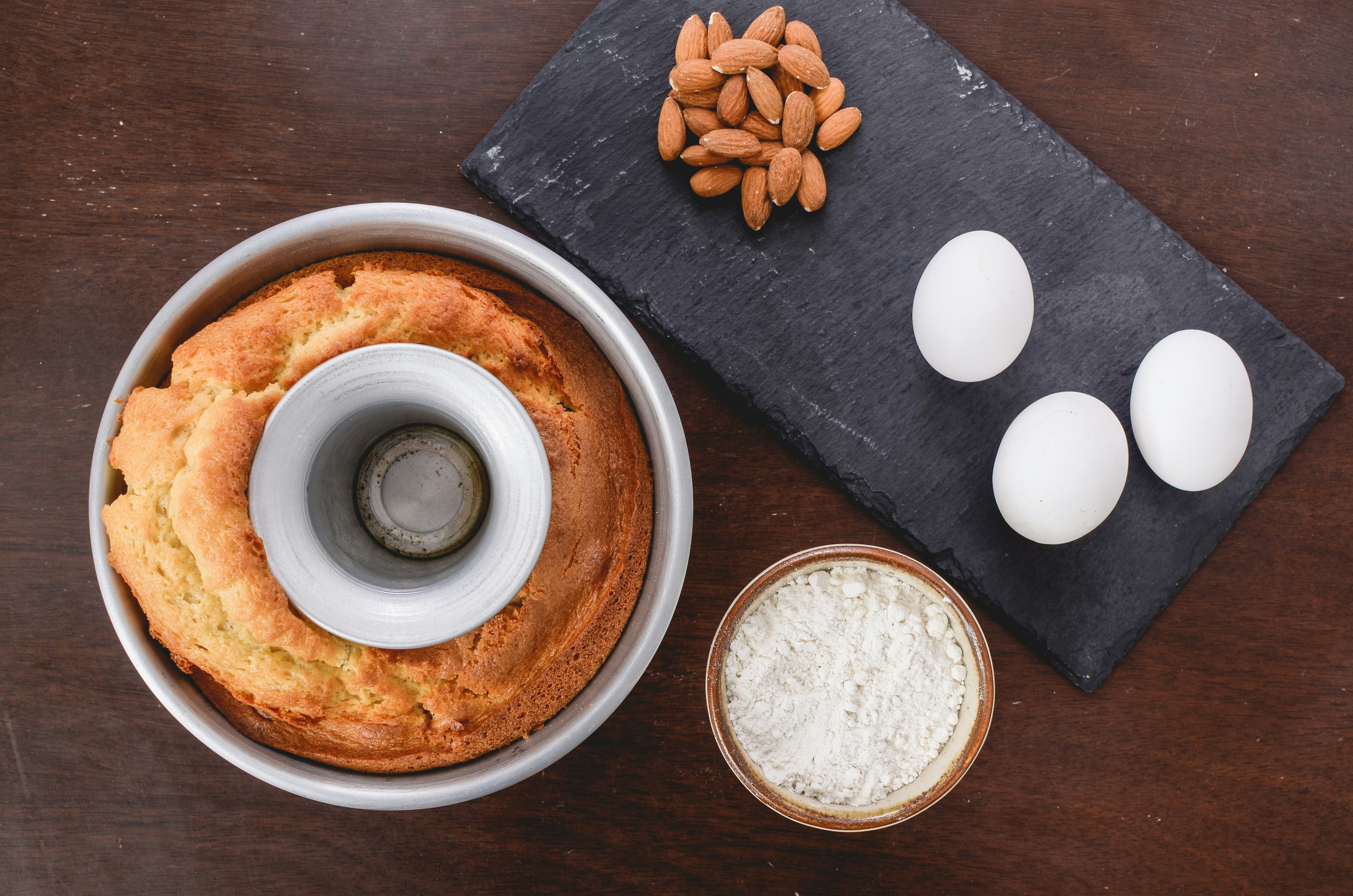
Introduction to Alternative Flours
The use of alternative flours, such as almond and coconut flour, has gained significant popularity in recent years, transforming the landscape of baking. As health-conscious consumers seek nutritious options, the demand for flours that offer unique benefits has surged. Alternative flours provide an excellent way for individuals to diversify their diets, especially for those adhering to gluten-free or specific dietary regimes.
Almond flour, made from finely ground almonds, is a rich source of protein, healthy fats, and essential vitamins. It serves as a superior substitute for traditional wheat flour, not only enhancing the flavor of baked goods but also offering a moist texture. Similarly, coconut flour is derived from dried coconut meat, boasting a high fiber content, which contributes to better digestion. These flours stand out in the realm of gluten-free baking by allowing individuals with celiac disease or gluten intolerance to enjoy delicious baked treats without compromising their health.
The growing trend of using alternative flours coincides with the increasing interest in clean eating and wellness diets. Many bakers are recognizing that alternative flours can cater to various dietary needs, from veganism to paleo diets, enabling them to create delectable recipes that meet the preferences of diverse consumers. This shift is not only observed in home kitchens but also in professional bakeries and restaurants, where chefs are exploring innovative ways to incorporate almond and coconut flour into an array of dishes.
Incorporating alternative flours into baking can open new avenues for creativity and experimentation. As the culinary world continues to evolve, bakers are embracing these flours, demonstrating that they can achieve impressive results while prioritizing nutrition and health. The increasing acceptance and recognition of alternative flours signify a noteworthy shift in baking practices, reflecting ongoing trends toward healthier eating habits.
Understanding Almond Flour
Almond flour is a popular alternative to wheat-based flour, especially among those who follow gluten-free diets. It is made from finely ground almonds, which lend both a unique flavor and texture. The process of making almond flour involves blanching almonds to remove their skins and then grinding them into a soft, powdery consistency. This creates a fine almond flour that is often preferred for its pale color and delicacy in baked goods. On the other hand, non-blanched almond flour is made with almonds that retain their skins, resulting in a coarser texture and a more pronounced nutty flavor, making it suitable for certain recipes where a deeper taste is desired.
From a nutritional standpoint, almond flour is rich in healthy fats, protein, and fiber. It is also low in carbohydrates, making it an excellent choice for those adhering to low-carb or ketogenic diets. Additionally, almond flour contains essential vitamins and minerals such as vitamin E, magnesium, and calcium. These nutrients not only contribute to its health benefits but also enhance the overall nutritional profile of baked goods. When substituting almond flour in recipes, it is important to note that it absorbs moisture differently than traditional flour. Using too much almond flour can lead to denser and overly moist final products.
Incorporating almond flour into your baking repertoire can yield delicious results, particularly in recipes like cookies, muffins, and pancakes. When experimenting with almond flour, it’s advisable to start with a combination of almond flour and another gluten-free flour to achieve a better texture and structure in gluten-free baked goods. Additionally, consider the specific type of almond flour you opt for, as blanched and non-blanched varieties may alter the taste and appearance of your dishes. By understanding the characteristics of almond flour, bakers can use it effectively to create tasty and nutritious alternatives to traditional flour-based recipes.
Benefits of Using Almond Flour
Almond flour, derived from finely ground almonds, offers a plethora of benefits that make it a popular choice among both professional bakers and home cooks. One of the primary advantages of using almond flour in baking is its impressive nutritional profile. With a high protein content, almond flour serves as an excellent source of plant-based protein, which is beneficial for muscle maintenance and overall health. Additionally, its healthy fat composition, primarily consisting of monounsaturated fats, supports heart health and can contribute to improved satiety, making it a valuable ingredient for those watching their dietary fat intake.
In contrast to traditional flours, almond flour is low in carbohydrates. This makes it a favorable alternative for individuals following low-carb or ketogenic diets, seeking to reduce their carbohydrate intake without sacrificing flavor or texture in their baked goods. The lower glycemic index of almond flour compared to wheat flour also means it can contribute to more stable blood sugar levels, enhancing its appeal for those managing diabetes or insulin sensitivity.
Furthermore, the presence of essential vitamins and minerals, such as vitamin E, magnesium, and calcium, in almond flour supports various bodily functions, promoting overall well-being. Almond flour not only imparts a delightful, nutty flavor to baked products but also adds moisture due to its fat content. This characteristic is particularly advantageous in recipes like cakes and muffins, where moisture is crucial for achieving a tender crumb.
When substituting almond flour for conventional flours, it’s important to keep in mind that the texture of the final product may differ. Almond flour tends to yield denser baked goods with a slightly crumbly texture. To achieve optimal results, adjustments in baking time and additional binding agents may be necessary. Embracing almond flour can elevate your baking experience with its unique qualities and nutritional benefits.
Exploring Coconut Flour
Coconut flour is a versatile ingredient derived from the meat of coconuts that have been dried and ground into a fine powder. This unique flour is distinct from other flour types, particularly almond flour, due to its composition and properties. Coconut flour is made primarily from the fibrous aspect of the coconut, making it an excellent source of dietary fiber. As a result, baked goods made with coconut flour tend to have a notably high fiber content, which can be beneficial for digestive health and can help maintain a feeling of fullness.
One of the most significant differences between coconut flour and almond flour lies in their structure and absorbency. Coconut flour is extremely absorbent, meaning that it requires more liquid than most other flours when used in recipes. Therefore, a common practice when baking with coconut flour is to increase the amount of eggs or liquid ingredients to compensate for this absorbency. As a rule of thumb, approximately one-fourth of the amount of coconut flour can be used in place of traditional flour, paired with ample moisture to achieve the right consistency.
The flavor profile of coconut flour is mild and slightly sweet, providing a subtle coconut essence to baked goods. This characteristic makes it well-suited for specific types of treats, such as cakes, muffins, and cookies, where its flavor can complement other ingredients without overwhelming them. Additionally, coconut flour is gluten-free, making it a perfect alternative for individuals with gluten intolerances or those following gluten-free diets.
Overall, coconut flour is an excellent choice for incorporating unique flavors and beneficial nutrients into baked goods, offering an alternative for those seeking healthier alternatives to traditional flours.
Benefits of Using Coconut Flour
Coconut flour has gained popularity among health-conscious bakers due to its numerous advantages. One of the most notable benefits of coconut flour is its high fiber content. Unlike traditional wheat flour, coconut flour is made from the dried flesh of coconuts, which retains much of its fiber during processing. This makes it an exceptional choice for those looking to increase their dietary fiber intake, promoting healthy digestion and providing a feeling of fullness that can aid in weight management.
In addition to its fiber content, coconut flour offers significant health benefits, particularly for individuals aiming to regulate their blood sugar levels. Coconut flour is lower on the glycemic index compared to standard flours, meaning it has a gentler effect on blood sugar levels. For individuals with diabetes or those looking to maintain stable energy levels, incorporating coconut flour into baked goods can be a strategic choice.
Another appealing aspect of coconut flour is its compatibility with dietary restrictions. Being both gluten-free and dairy-free, coconut flour is an excellent alternative for individuals with gluten sensitivities or those adhering to a dairy-free lifestyle. This versatility allows for a wide range of baked goods, from cakes to biscuits, accommodating various dietary needs without compromising on taste or texture.
It is important to note that the use of coconut flour can significantly impact the moisture content of baked items. Due to its highly absorbent nature, recipes usually require adjustments in liquid ratios when using coconut flour. This balance is crucial to prevent dry or crumbly results in your final products. By understanding and adapting to these nuances, bakers can successfully explore the unique qualities of coconut flour, enhancing their culinary creations.
Baking Techniques with Alternative Flours
When incorporating alternative flours like almond and coconut into your baking, it is essential to understand how these unique ingredients interact with traditional recipes. Both almond and coconut flour are gluten-free, which presents specific challenges and opportunities when modifying your baking techniques. One of the primary considerations when using these flours is moisture retention. Almond flour tends to be more moist than wheat flour, while coconut flour is highly absorbent. To achieve the right consistency, you may need to adjust the liquid ingredients in your recipe. For instance, increasing the amount of eggs or adding additional liquids such as milk or water can help achieve a desirable texture.
Texture adjustments are also crucial in ensuring your baked goods have the right mouthfeel. Since almond flour is denser than all-purpose flour, incorporating lighter ingredients such as egg whites can enhance the lift and fluffiness of cakes or muffins. When using coconut flour, it is advisable to substitute a smaller quantity compared to the original flour due to its absorbent nature. As a general rule, for every cup of all-purpose flour replaced by coconut flour, only one-fourth to one-third of a cup should be used. This method can help prevent overly dry textures while maintaining a pleasant consistency.
Leavening requirements will also differ when baking with these alternative flours. Because they lack gluten, it may be beneficial to add binding agents such as xanthan gum or chia seeds soaked in water. These ingredients not only improve the structure but also help maintain moisture, leading to a successful final product. It is imperative to monitor the amounts of these bindings carefully, as using too much can result in undesired gummy results. By adopting these techniques with almond and coconut flour, you can successfully enjoy delicious and healthy baked goods that meet your dietary preferences.
Recipes Using Almond and Coconut Flours
Baking with alternative flours, specifically almond and coconut flours, opens up a myriad of delicious possibilities. Below are a few simple recipes that highlight the versatility of these flours while maintaining pleasing flavors and textures.
Almond Flour Pancakes: Begin your day with a nutritious twist on the classic pancake. Combine 1 cup of almond flour, 2 eggs, 1/4 cup of unsweetened almond milk, 1 tablespoon of honey, and a pinch of salt in a mixing bowl. Stir until the mixture is smooth and resembles traditional pancake batter. Heat a non-stick skillet over medium heat and pour about 1/4 cup of the batter for each pancake. Cook for 2-3 minutes until bubbles form on the surface, then flip and cook for another 2 minutes. Serve with fresh fruit and maple syrup for a delightful breakfast.
Coconut Flour Cookies: For a sweet treat, these coconut flour cookies are quick to prepare. In a bowl, combine 1/2 cup of coconut flour, 1/4 cup of melted coconut oil, 1/4 cup of honey, and 2 eggs. Mix in 1/2 teaspoon of vanilla extract and a pinch of salt. After thoroughly mixing the ingredients, drop spoonfuls of dough onto a parchment-lined baking sheet. Bake at 350°F (175°C) for 10-12 minutes, or until the edges are golden brown. These cookies are not only delicious but also provide a subtle hint of coconut flavor.
Almond Flour Bread: A versatile option for those looking to replace traditional bread, almond flour bread offers structure and taste. Mix 2 cups of almond flour with 1/4 cup of ground flaxseed, 1 teaspoon of baking powder, and a pinch of salt. In a separate bowl, whisk together 4 large eggs and 1/4 cup of water. Combine the wet and dry ingredients, ensuring a homogeneous mixture. Transfer the batter into a greased loaf pan and bake at 350°F (175°C) for about 30-35 minutes. This bread pairs well with various toppings or can serve as a base for sandwiches.
These recipes highlight just a few ways to incorporate almond and coconut flours into your baking repertoire. Experimenting with these flours can lead to surprisingly tasty results, encouraging both novice and experienced bakers to explore new culinary realms.
Common Mistakes to Avoid
Baking with alternative flours such as almond and coconut flour can yield delicious and nutritious results. However, novice bakers often encounter challenges that can lead to subpar outcomes. Recognizing these common mistakes is the first step toward successful baking with alternative ingredients.
One prevalent mistake is using incorrect ratios of alternative flour to other ingredients. Almond and coconut flours have unique properties that differ significantly from standard wheat flour. For instance, almond flour is denser and requires a different measurement compared to all-purpose flour. Consequently, you may need to adjust the ratios to achieve the desired texture in your baked goods. To maintain consistency, a good rule of thumb is to use one cup of almond flour for every one cup of regular flour and to adjust liquids accordingly.
In addition, neglecting additional moisture or binding agents is another common error. Alternative flours often lack the gluten that provides structure to baked goods. To counteract this, you may need to incorporate moisture-rich ingredients or binding agents such as eggs or flaxseed meal. These additions not only enhance the moisture content but also improve the overall consistency and texture of your bake.
Finally, adjusting baking times is crucial when working with alternative flours. Recipes that typically utilize wheat flour may require shorter baking periods when substituting with almond or coconut flours. Monitoring the color and texture of your baked goods can help avoid overbaking, which is a common pitfall when transitioning to alternative flours.
By being mindful of these mistakes and implementing the suggested adjustments, bakers can significantly improve their success when utilizing almond and coconut flours in their culinary projects.
Conclusion: Embracing Alternative Flours in Baking
In the realm of baking, the introduction of alternative flours such as almond and coconut flour has transformed traditional recipes, offering numerous health benefits and catering to various dietary preferences. Throughout this blog post, we have delved into the characteristics of these unique flours, highlighting their nutritional advantages and how they can be integrated into classic baking practices. Almond flour, rich in protein and healthy fats, serves as an excellent low-carb option. Meanwhile, coconut flour provides a good source of fiber while imparting a subtle sweetness that can enhance baked goods.
Experimenting with alternative flours can open a new world of culinary possibilities. The distinct flavors and textures brought by almond and coconut flour can elevate familiar recipes, encouraging bakers to be innovative. It is essential to remember that both flours behave differently than traditional wheat flour, requiring adjustments in liquid ratios and baking times. Therefore, a spirit of experimentation and adaptation is necessary for successful outcomes.
As you embark on your baking journey with almond and coconut flour, we encourage you to embrace this opportunity to explore new flavors and healthier options. Challenges may arise, but each endeavor offers valuable lessons and delicious results. We invite you to share your experiences, tips, and favorite recipes with alternative flours. By fostering a community around this exciting baking niche, we can all learn from one another and grow as bakers. Let us celebrate the versatility and potential of alternative flours, allowing them to enrich our baking endeavors and support our dietary preferences in delightful ways.