
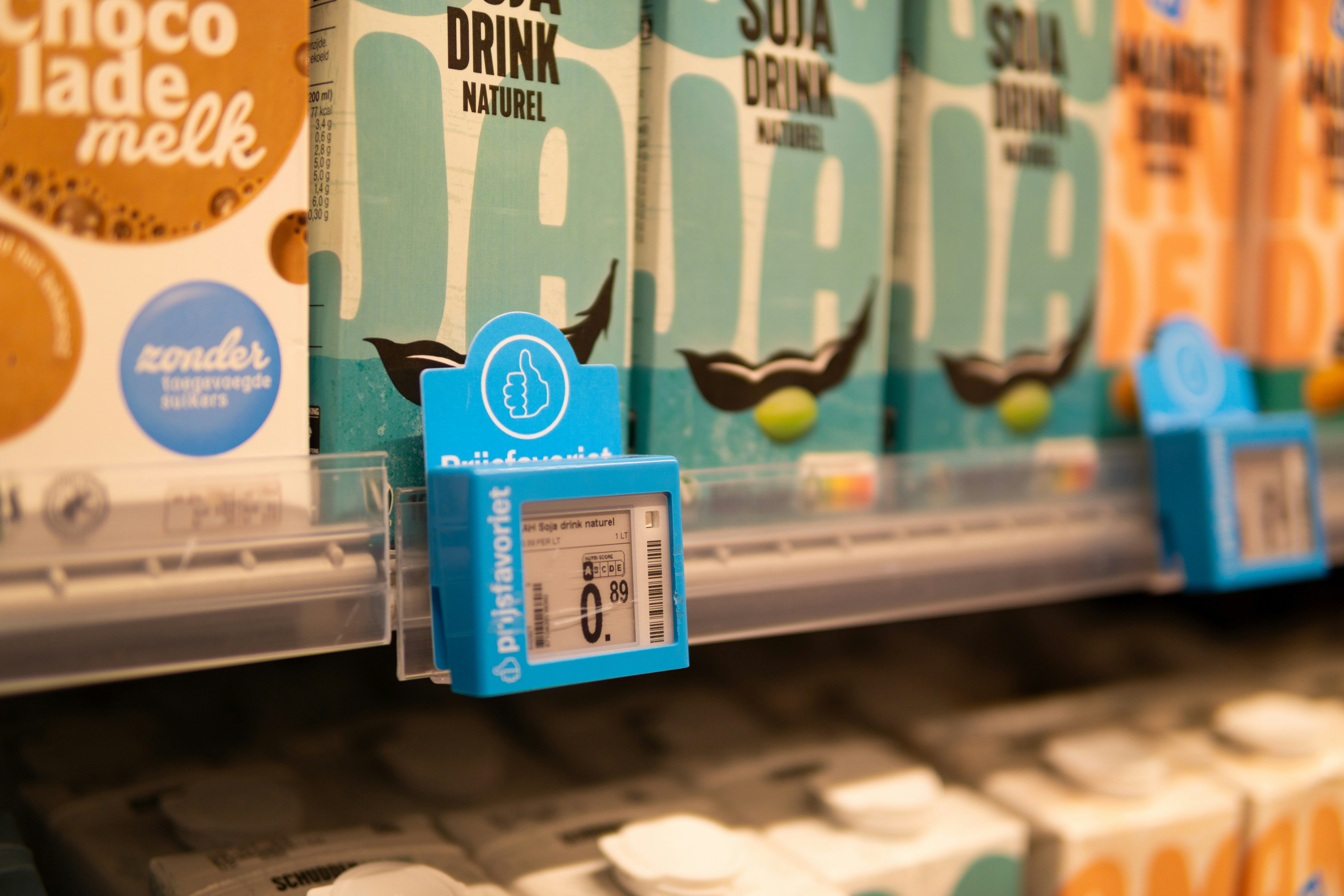
Introduction to Plant-Based Dairy Alternatives
In recent years, plant-based dairy alternatives have emerged as a prominent option for consumers seeking alternatives to traditional dairy products. These alternatives are derived from a variety of plant sources, such as nuts, seeds, soy, and grains, offering a diverse range of flavors and textures. The rise in popularity of these products stems from a combination of dietary needs, health consciousness, and growing environmental concerns associated with conventional dairy consumption.
The transition from animal-derived dairy products to plant-based options is driven in part by dietary restrictions and lifestyle choices. For individuals who follow vegan diets, or those with lactose intolerance or dairy allergies, plant-based dairy alternatives present a viable solution that allows them to enjoy similar taste experiences without compromising their health. Moreover, these alternatives can be enriched with vitamins and minerals, making them nutritious choices for a variety of dietary lifestyles.
Health-conscious consumers are increasingly drawn to plant-based dairy alternatives due to potential health benefits. Many of these products are lower in saturated fats compared to traditional dairy, and certain varieties are fortified with calcium and vitamin D, both of which are essential for bone health. Additionally, plant-based options typically contain fewer additives and preservatives, appealing to those looking for clean label products in their diets.
Environmental concerns also play a significant role in the shift towards plant-based dairy substitutes. The dairy industry is often criticized for its contribution to greenhouse gas emissions, land usage, and water consumption. By choosing plant-based dairy alternatives, consumers feel they are making a more sustainable choice that can reduce their ecological footprint. This awareness continues to grow as more individuals seek methods to support environmental sustainability through their dietary choices.
Types of Plant-Based Dairy Alternatives
Plant-based dairy alternatives have gained significant popularity as consumers seek healthier options that align with dietary preferences or lactose intolerance. Among the various types available, almond milk, soy milk, oat milk, coconut yogurt, and cashew-based cheeses stand out for their unique flavors and nutritional profiles.
Almond milk is one of the most prevalent plant-based alternatives, made by blending almonds with water and straining the mixture. It is low in calories and rich in vitamin E, making it an excellent choice for those looking to enhance their vitamin intake while managing calorie consumption. However, it typically contains minimal protein compared to traditional dairy products.
Soy milk is another popular option, derived from whole soybeans. It is known for its high protein content, comparable to that of cow’s milk, making it a valuable alternative for those seeking protein-rich options. Additionally, soy milk is often fortified with vitamins and minerals, though it may not be suitable for individuals with soy allergies.
Oat milk is gaining traction due to its creamy texture and natural sweetness. Made from whole oats, it generally contains more carbohydrates than other milk alternatives, but it is often fortified with calcium and vitamin D. Its mild flavor makes it versatile for use in coffee, smoothies, or cereals. Nevertheless, individuals with gluten sensitivities should ensure that the product is certified gluten-free.
Coconut yogurt, crafted from the flesh of coconuts, offers a rich and creamy texture; however, it tends to be high in saturated fats. While it is dairy-free and often contains probiotics beneficial for gut health, consumers should check for added sugars that may impact overall health benefits.
Lastly, cashew-based cheeses provide a unique, creamy alternative for cheese lovers. Made by blending soaked cashews with various seasonings, they can be used for spreads, dips, and sauces. Though they are higher in fat than some other alternatives, they also offer beneficial nutrients like magnesium and healthy fats.
Factors Affecting Taste and Texture
The taste and texture of plant-based dairy alternatives are influenced by a myriad of factors, contributing to the overall consumer experience. One of the primary determinants is the ingredient composition. The choice of base ingredients, such as nuts, seeds, grains, or legumes, significantly impacts both flavor and mouthfeel. For example, almond-based products often deliver a light, nutty flavor, while coconut-based options may impart a creamier and richer texture. Additionally, the varying fat content derived from these sources can affect the creaminess and overall satisfaction of the product.
Another critical factor is the production processes employed to create these alternatives. Techniques such as fermentation, emulsification, and homogenization can significantly alter the final product’s sensory attributes. Fermentation, which is commonly used in traditional dairy production, can also be applied to plant-based options, enhancing flavor complexity and creating a tangy profile similar to yogurt or cheese. Homogenization helps to stabilize the emulsions, ensuring a consistent texture and mouthfeel, which are essential for consumer acceptance.
Flavor additives also play a pivotal role in shaping the taste experience of plant-based dairy alternatives. Many manufacturers incorporate natural or artificial flavorings to mimic the taste of traditional dairy products. These flavor enhancers can help achieve a more palatable profile that appeals to users accustomed to conventional dairy. Additionally, sweeteners, salt, and acid agents may be included to balance flavors and provide a well-rounded taste experience.
In summary, the interplay of ingredient composition, production techniques, and flavor additives is crucial in determining the taste and texture of plant-based dairy alternatives. Understanding these factors not only aids in product development but also helps consumers choose options that align with their desired sensory experience. Exploring these elements is essential as the demand for plant-based options continues to grow.
The Taste Test Methodology
The purpose of conducting a taste test for plant-based dairy alternatives is to determine their palatability, texture, and overall quality compared to traditional dairy products. The selection criteria for the products included a range of milk substitutes such as almond, soy, oat, and coconut milk, as well as cheese and yogurt alternatives. Each product was carefully chosen based on consumer popularity, availability in mainstream markets, and nutritional content, ensuring a comprehensive representation of what the market offers.
To execute the testing procedures, a standardized approach was employed. Each taste tester was presented with samples of different plant-based dairy alternatives in identical, unmarked containers to eliminate any brand biases. The testers were instructed to evaluate the products based on taste, texture, aroma, and aftertaste. A scoring system was utilized—ranging from one to ten—where one represented very unfavorable and ten indicated outstanding flavor and quality. This numerical scoring allowed for a more objective comparison between the various alternatives.
The demographic of the taste testers was chosen to reflect a diverse group, incorporating individuals of different ages, dietary preferences, and familiarity with plant-based diets. This approach ensured that the feedback gathered was comprehensive and representative of a wider audience, facilitating a fair assessment of the alternatives. Furthermore, any biases related to personal preferences or prior experiences with dairy or plant-based products were acknowledged, and the testers were encouraged to put those biases aside during the tasting process.
To control the testing environment, factors such as temperature, lighting, and even the mood of the testers were carefully regulated. Each tasting session was conducted in a neutral, quiet space, free from distractions, which aided in focusing solely on the sensory experience of sampling plant-based dairy alternatives. By adhering to these methodologies, the taste test aimed to yield reliable and actionable results regarding the palatability of these innovative food products.
Results of the Taste Test
The results of the taste test conducted on various plant-based dairy alternatives revealed a nuanced landscape of flavor profiles, textures, and overall satisfaction levels. Participants evaluated a range of products including almond milk, soy yogurt, coconut cheese, and oat-based ice creams. Each alternative was assessed on a scale from one to ten, taking into account attributes such as taste, creaminess, and mouthfeel.
Overall, oat milk emerged as the favorite among participants, garnering an impressive average rating of 8.5 due to its harmonious balance of sweetness and creaminess. This particular plant-based alternative was noted for its ability to froth well, making it a popular choice for coffee-based beverages. Soy yogurt also performed admirably, with an average rating of 8, praised for its rich texture and protein content.
Conversely, some of the alternatives did not meet expectations. Almond milk, while popular for its lightness, received a lower rating of 5.5, largely due to its watery consistency, which left some participants longing for a creamier experience. Additionally, coconut cheese was met with mixed reviews, with an average rating of 4.7, primarily due to its overpowering flavor that did not appeal to everyone’s palate.
Interestingly, brand loyalty played a significant role in the results, as certain brands received surprisingly high marks despite critics questioning their ingredient lists. This highlighted the subjective nature of taste; preferences for sweetness, saltiness, and thickness varied widely among participants. Ultimately, the taste test provided valuable insights into the best performing plant-based dairy alternatives, challenging preconceived notions about these products and revealing the vast diversity present in this ever-evolving market.
Consumer Preferences and Trends
The recent rise in plant-based dairy alternatives has garnered significant attention from consumers, reflecting broader dietary movements towards healthier and more sustainable eating habits. As more individuals explore non-dairy options for personal health, environmental concerns, or ethical considerations, preferences among consumers have evolved substantially. This section analyzes the prevailing trends observed in taste test results and consumer feedback regarding various plant-based dairy products.
Among the most notable findings in taste tests is the growing demand for diverse flavors and innovative products. While traditional almond and soy milk remain popular staples, there is a marked increase in consumer interest for alternatives featuring unique ingredients such as oat, pea, and coconut. This trend signifies that consumers are not merely seeking substitutes for dairy but are also inclined to experiment with new tastes and textures, indicating an evolving palate influenced by international culinary inspirations.
Moreover, consumer preferences have shown a preference for brands that prioritize transparency and sustainability in both their sourcing and production processes. Shoppers are increasingly inclined to support companies that provide clear information about ingredient origins, production practices, and nutritional benefits. This aligns with a broader dietary movement emphasizing health-conscious choices, as well as the environmental impact of food production. Many consumers express a desire for products that align with their values, choosing plant-based dairy alternatives perceived as healthier and more ethical compared to traditional dairy options.
As the plant-based dairy market grows, companies are responding by tailoring their offerings to meet these shifting preferences. The introduction of fortified products, with added vitamins and minerals, has further appealed to health-focused consumers. Together, these insights highlight a dynamic landscape in which taste, health, and ethical considerations converge, guiding consumers in their choice of plant-based dairy alternatives.
Health Benefits of Plant-Based Dairy Alternatives
Plant-based dairy alternatives have garnered significant attention in recent years due to their numerous health benefits. One of the primary advantages of these alternatives is the potential reduction in cholesterol levels. Traditional dairy products are often high in saturated fats, contributing to elevated cholesterol levels, which can increase the risk of heart disease. In contrast, most plant-based options, such as almond, soy, and oat milk, are lower in saturated fats and cholesterol-free, making them heart-healthy choices for consumers.
Another pertinent health benefit of plant-based dairy alternatives is their suitability for individuals with lactose intolerance. Lactose, the sugar found in cow’s milk, can cause digestive discomfort in many people. Plant-based alternatives provide a solution to this issue, allowing those affected to enjoy dairy-like products without experiencing unpleasant symptoms. Options like coconut yogurt or cashew cheese offer familiar textures and flavors while being easy on the digestive system.
Nutritional content is an important consideration when choosing plant-based alternatives. Many of these products are fortified with essential vitamins and minerals, contributing to a balanced diet. For instance, options such as fortified soy milk contain comparable protein levels to cow’s milk, along with additional nutrients like calcium and vitamin D. Additionally, some alternatives come enriched with omega-3 fatty acids or vitamin B12, further enhancing their nutritional profile. The use of whole ingredients in products like almond milk or hemp yogurt also increases their antioxidant content, providing further health benefits.
In essence, transitioning to plant-based dairy alternatives can offer substantial health benefits. From lowering cholesterol levels and addressing lactose intolerance to providing essential nutrients, these alternatives represent a viable and nutritious option for those seeking to reduce their dairy consumption while maintaining a healthy diet.
Environmental Impact of Dairy vs. Plant-Based Alternatives
The environmental impact of dairy production is a significant concern in today’s climate-conscious society. Traditional dairy farming is often associated with various negative environmental consequences, including high greenhouse gas emissions, excessive water usage, and substantial land requirements for livestock and feed. In contrast, plant-based dairy alternatives present a potentially more sustainable option. This section seeks to elucidate these critical differences and empower readers to make informed choices regarding their dairy consumption.
One of the primary environmental issues linked to dairy farming is its contribution to greenhouse gas emissions. Research indicates that the production of cow’s milk results in more than three times the emissions per unit of protein compared to plant-based dairy alternatives. For instance, soy, almond, and oat milk typically generate far fewer emissions, making them more favorable in terms of climate impact. This reduction in emissions is a compelling reason for many consumers to consider switching to plant-based options as part of their dietary choices.
Additionally, water usage is markedly lower in the production of most plant-based dairy alternatives when compared to conventional dairy. On average, producing one liter of cow’s milk requires over 1,000 liters of water, factoring in the water needed for animal hydration, feed crops, and processing. In contrast, plant-based alternatives such as almond or soy milk require significantly less water, thereby alleviating some pressure on freshwater resources. Furthermore, as freshwater scarcity becomes an increasingly pressing issue, the benefits of choosing plant-based options become even more pronounced.
Land requirements also vary considerably between dairy and plant-based production. Dairy farms necessitate large tracts of land for both raising cows and growing feed. Conversely, plant-based dairies generally require less land, thus allowing for more efficient use of arable land and promoting biodiversity. Overall, these factors illustrate the considerable environmental advantages that plant-based dairy alternatives offer compared to traditional dairy options, making them a viable choice for environmentally-conscious consumers.
Conclusion: Making the Right Choice for You
In navigating the increasingly diverse landscape of dairy alternatives, it becomes essential to consider personal preferences, health goals, and environmental values. The range of plant-based dairy products available today not only offers various flavors and textures but also aligns with growing dietary preferences and concerns regarding traditional dairy’s impact on both health and the environment.
For individuals seeking to reduce their intake of saturated fats or those with lactose intolerance or dairy allergies, plant-based alternatives such as almond, soy, oat, and coconut milk present viable options. These alternatives can provide essential nutrients while catering to dietary restrictions. However, it is crucial to examine the nutritional profiles of these products, as they can vary significantly in protein content, vitamins, and added sugars. Choosing a fortified option may be beneficial for meeting nutritional needs, particularly for key vitamins like B12 and D.
Moreover, environmental sustainability is another factor driving the shift towards plant-based options. The production of dairy alternatives typically requires fewer natural resources and results in lower greenhouse gas emissions compared to traditional dairy farming. This shift can resonate with consumers looking to reduce their ecological footprint and contribute to more sustainable food systems. Therefore, considering the environmental implications of food choices can be an important aspect for health-conscious and environmentally-aware consumers alike.
Ultimately, the decision between traditional dairy and plant-based alternatives is highly individual. We encourage readers to explore and evaluate the various options available, keeping in mind their personal health objectives, ethical considerations, and taste preferences. Sharing your experiences and choices in the comments below can enrich our understanding of how others navigate this evolving landscape.