
Introduction to Esports
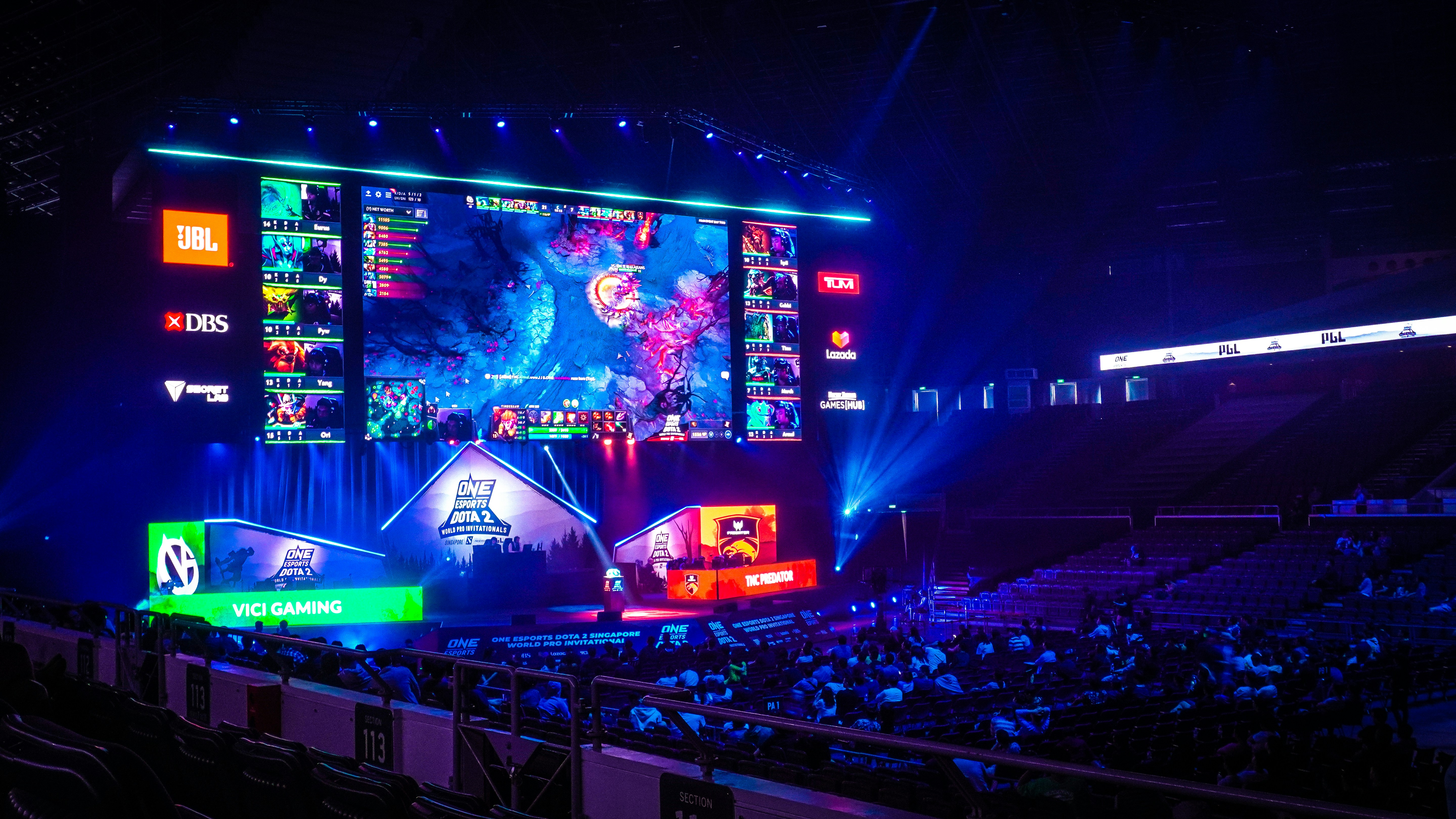
Esports, a term that encompasses competitive video gaming, has evolved significantly over the past few decades, transforming from casual gaming into a global phenomenon. Defined by organized multiplayer video game competitions, esports has cultivated a distinctive culture that boasts millions of players and fans worldwide. This rise can be attributed to technological advancements, increased internet accessibility, and burgeoning interest in competitive gaming as a spectator sport.
The significance of esports in the gaming industry cannot be overstated. It has not only redefined the landscape of entertainment but has also spurred economic growth through sponsorships, advertising, and broadcasting deals. Major titles such as League of Legends, Dota 2, and Counter-Strike: Global Offensive now attract thousands of participants and viewers, rivaling traditional sports in terms of audience engagement and revenue. Furthermore, esports leagues and tournaments have emerged, providing structured competition and opportunities for players to excel at a professional level.
In popular culture, esports has made considerable inroads, with celebrities and influencers increasingly endorsing games and tournaments. Platforms like Twitch and YouTube have facilitated live streaming of events, allowing fans to connect with their favorite players and teams in real time, further enhancing the community aspect of gaming. Schools and universities have also begun to recognize the importance of esports, offering programs and scholarships that elevate competitive gaming within the academic framework.
The global reach of esports is underscored by its ability to transcend geographical barriers, uniting players and fans through shared interests and passion for gaming. As a result, the phenomenon of esports continues to shape the future of entertainment and engagement, paving the way for innovative developments in technology, marketing, and culture.
The Early Days of Competitive Gaming
The origins of competitive gaming can be traced back to the late 1970s and early 1980s when video games began to capture the imagination of audiences worldwide. During this formative period, the societal perception of video games was largely mixed; they were often seen as a passing fad or mere entertainment for children. However, the emerging gaming industry was poised to change this perspective, with a handful of innovative titles and tournaments paving the way for the future of esports.
One of the earliest recognized competitive gaming events took place in 1972 at Stanford University, where students gathered to compete in “Spacewar!” This pivotal tournament marked the inception of formal competitive play, demonstrating that people could engage with video games in a competitive context. As arcades flourished in the decade that followed, games such as “Pong” and “Galaga” drew players into their pixelated worlds, encouraging friendly competition among local communities. The arcade scene became a social hub where individuals not only enjoyed gaming but also witnessed competitions and leaderboards, elevating the excitement of gameplay.
The concept of organized competitions gained more traction with the launch of “The National Space Invaders Championship” in 1980, which is often heralded as the first major video game tournament. This event attracted thousands of participants across the United States and was instrumental in revealing the potential of video gaming competitions to a broader audience. By providing a structured environment for players to compete, it helped shift societal views on gaming from mere amusement to a serious and engaging pursuit.
As the community around competitive gaming grew, so did the recognition of the skills involved. Participants began to gain notoriety, and the idea that gaming could become a legitimate sport started to take root, ultimately laying the foundation for the vibrant esports ecosystem we see today.
The Rise of Multiplayer Games
The 1990s and early 2000s marked a significant turning point in the video gaming landscape, as the rise of multiplayer games transformed the way players engaged with technology and one another. This period saw the advent of online gaming, fueled by advancements in internet connectivity and the growing accessibility of personal computers. Two games stand out during this era: Quake and StarCraft, both of which played a crucial role in cultivating competitive gaming communities.
Quake, released by id Software in 1996, was one of the first fully 3D multiplayer first-person shooters (FPS). It allowed players to connect via local area networks (LAN) or over the internet, paving the way for competitive play. The game’s fast-paced action, along with its modding capabilities, enabled a vibrant community to flourish. Players began organizing tournaments, and events like QuakeCon emerged, establishing a foundation for professional esports competitions.
Similarly, StarCraft, released by Blizzard Entertainment in 1998, became a cornerstone of real-time strategy (RTS) gaming. The game’s complex mechanics and balanced design fostered a competitive environment that transcended geographical barriers. StarCraft not only encouraged players to develop intricate strategies but also inspired them to form online communities that shared tactics, stream tournaments, and organized events. Moreover, the game was particularly well-received in South Korea, where it became a cultural phenomenon, leading to the establishment of professional leagues and televised matches.
Both Quake and StarCraft contributed significantly to the larger narrative of multiplayer gaming, intensifying the appeal of competitive play. They served as templates for future games, influencing design decisions in subsequent titles and laying the groundwork for what would eventually evolve into the expansive world of esports we see today. Through the establishment of online communities and competitive structures, these games not only enhanced player interaction but also set the stage for the rapid growth of esports as a global phenomenon.
The Emergence of Esports Organizations
The rise of esports has significantly reshaped the landscape of competitive gaming, transitioning from casual play to an arena where professional organizations play a pivotal role. The professionalization of gaming, particularly in the early 2000s, instigated the foundation of esports organizations that have since transformed the way players, teams, and tournaments operate. These organizations serve various functions, including management, branding, and ensuring the smooth organization of events that bring together top-tier talent.
Initially, competitive gaming was mainly community-driven, with small clans and informal tournaments. However, as the player base grew and viewership surged, there arose a need for professional structures to manage athletes. Esports organizations emerged as key players, offering players contracts, salaries, and resources to enhance their gaming capabilities. This evolution allowed talented individuals to pursue gaming as a viable career path, changing the perception of gaming from a mere hobby to a legitimate profession.
Sponsorships have been integral to the growth of esports organizations, enabling them to secure significant funding. Major brands seeking to tap into the expanding gaming demographic began partnering with these organizations. These sponsorships not only provide financial support but also enhance visibility, with companies leveraging teams’ branding to reach their target audience. Additionally, organizations have developed sophisticated marketing strategies to promote their brand and the games in which they compete, further legitimizing their place in the industry.
Management practices within esports organizations have also evolved, with a focus on building brand identities and creating cohesive team environments. This includes fostering relationships with players, coaches, and fans, ensuring that all stakeholders are engaged in the growth of the esports ecosystem. Overall, the emergence of esports organizations has played a crucial role in formalizing competitive gaming, making it a prominent feature of global entertainment.
Major Tournaments and Their Impact
The landscape of esports has undergone significant transformations over recent years, particularly due to the emergence of major tournaments that have helped shape the industry. Among these, The International, League of Legends World Championship, and ESL One stand out for their substantial impact on viewer engagement, prize pools, and sponsorship opportunities.
The International, hosted by Valve for the game Dota 2, is renowned for its colossal prize pool, funded in part by community contributions through in-game purchases. In 2021, the tournament boasted a staggering prize pool of over $40 million, attracting a global audience that extends far beyond traditional gaming demographics. This tournament not only underscores the financial viability of competitive gaming but also showcases the elite skills of professional players, further legitimizing esports as a key player in the broader sports industry.
Similarly, the League of Legends World Championship represents a cultural phenomenon in the esports realm. Since its inception in 2011, it has consistently grown in terms of viewership, with millions tuning in to watch the culmination of the competitive season. The event has not only provided substantial earnings for its players but has also fostered a committed community of fans eager to support their favorite teams. Riot Games has successfully leveraged this tournament to enhance brand loyalty and engage with viewers via innovative marketing strategies, creating a lasting impact on the game’s ecosystem.
ESL One further exemplifies the importance of live events within the esports industry. As a premier tournament series for various popular games, it has played a critical role in nurturing local scenes and developing talent. By providing platforms for aspiring players to compete at high-stakes competitions, ESL One facilitates the organic growth of esports while enriching the competitive gaming landscape through diverse offerings and international reach.
Overall, major tournaments significantly influence the evolution of esports by amplifying viewer engagement, increasing financial stakes, and fostering community growth. Their roles extend beyond competition, impacting sponsorships, game development, and the integration of esports into mainstream culture.
Popular Games and Genres in Esports
The esports landscape is characterized by a diverse array of video game genres, each attracting a vast audience and competitive following. Key genres include first-person shooters (FPS), multiplayer online battle arenas (MOBAs), and battle royale games, which have collectively shaped the current state of competitive gaming.
First-person shooters, such as Counter-Strike: Global Offensive (CS:GO), have long been a staple in the esports scene. The fast-paced, tactical nature of CS:GO requires players to exhibit precision, teamwork, and strategic planning. Major tournaments, such as the ESL One and the Major Championships, draw in millions of viewers, highlighting the game’s sustained popularity and its role in nurturing a vibrant esports community.
On the other hand, MOBAs like League of Legends and Dota 2 showcase intricate gameplay that emphasizes character selection, teamwork, and real-time strategic decision-making. League of Legends, in particular, hosts the annual World Championship, which ranks as one of the most viewed esports events globally. The competitive scene thrives due to frequent updates and its dynamic playstyle, attracting both casual and professional gamers alike.
Another major genre that has surged in popularity is the battle royale, epitomized by titles like Fortnite. Fortnite combines building mechanics with survival elements, offering a unique gaming experience that appeals to a broad spectrum of players. The game’s competitive tournaments, particularly the Fortnite World Cup, have set new records for player participation and viewership, solidifying its impact within the esports arena.
Overall, the evolution of esports has been significantly influenced by these genres, with each title contributing to the growth of competitive gaming. The continued innovation within these popular games will likely pave the way for new trends and opportunities in the esports ecosystem.
The Role of Streaming Platforms
The rise of streaming platforms such as Twitch and YouTube Gaming has dramatically transformed the esports landscape, contributing significantly to its growth and popularity. These services have provided an accessible way for fans to engage with their favorite games and players while creating a vibrant community around esports. By allowing users to broadcast their gameplay live, these platforms have turned casual gaming into a spectator sport, effectively bridging the gap between players and fans.
Streaming platforms have managed to cultivate a sense of community by facilitating real-time interaction between gamers and their audiences. This interactivity allows fans to engage through chat, communicate with streamers, and even influence gameplay in some cases. Such connections not only enhance viewer engagement but also foster a sense of belonging among fans, encouraging them to participate in the esports ecosystem more actively. This participatory nature of streaming has fueled the popularity of numerous esports titles, as fans feel more connected to the players and their journeys.
Moreover, these platforms have played a critical role in the monetization of esports through sponsorships, subscriptions, and advertisement revenue. Streamers often cultivate large followings, attracting brands seeking to market their products to a dedicated audience. This funding boosts the overall esports scene, leading to better production quality for tournaments and events. Notably, events like the League of Legends World Championship and The International for Dota 2 have benefited greatly from the exposure provided by these streaming services, with millions tuning in to watch live and interact.
In essence, the impact of streaming platforms on the development of esports cannot be overstated. They have not only provided a medium for broadcasting and viewing esports tournaments but also fostered a thriving community, creating an interconnected environment that has encouraged the growth of competitive gaming.
The Future of Esports: Trends and Predictions
As esports continues to develop and expand, several emerging trends are likely to shape its future over the next decade. One significant trend is the integration of virtual reality (VR) into competitive gaming. By creating immersive environments, VR has the potential to enhance player engagement and offer spectators a unique viewing experience. Developers are increasingly exploring VR technologies, which may lead to the emergence of new esports titles specifically designed for these platforms. The allure of VR could draw in broader audiences, making esports more appealing to traditional sports enthusiasts.
Another pivotal factor in the evolution of esports is the rise of mobile gaming. With the increasing accessibility of smartphones and tablets, mobile esports tournaments are gaining popularity among both players and viewers. Titles such as “PUBG Mobile” and “Clash Royale” exemplify the success of competitive mobile gaming. The convenience of playing on mobile devices allows for more spontaneous gameplay and participation, broadening the reach of esports to individuals who may not have access to high-end gaming consoles or PCs. As mobile esports continue to gain traction, we will likely see an increase in mobile-exclusive tournaments and events.
Moreover, the mainstream acceptance of esports within the wider sporting community is anticipated to deepen. Major sports leagues are increasingly recognizing the potential of esports, incorporating them within their marketing strategies and partnerships. This acknowledgment may lead to collaborative events and unique sponsorship opportunities, creating a symbiotic relationship between traditional sports and esports. As universities and colleges also begin to offer scholarships for esports athletes, the professionalization of the field could stimulate unprecedented growth.
In conclusion, the future of esports appears promising, with advancements in technology and shifting cultural attitudes supporting its evolution. Trends like virtual reality, mobile gaming, and mainstream acceptance are poised to define the esports landscape in the coming years, potentially transforming how both players and fans engage with this dynamic form of entertainment.
Conclusion and Final Thoughts
In review, the journey of esports has been nothing short of remarkable, evolving from informal competitions to a structured global phenomenon. This evolution has been driven by technological advancements, the increasing accessibility of high-speed internet, and the proliferation of streaming platforms. Initially centered around classic titles, esports has embraced various genres, including first-person shooters, multiplayer online battle arenas, and sports simulation games. Each game has contributed uniquely to the esports landscape, leading to the emergence of numerous tournaments that draw millions of viewers worldwide.
The significance of esports extends beyond mere entertainment. It has fostered a vibrant community, creating opportunities for players, organizers, and brands alike. Major tournaments, such as The International or the League of Legends World Championship, showcase the level of talent and dedication present within the esports scene, elevating professional gamers to celebrity status. Additionally, the financial prospects of sponsorships, merchandise sales, and streaming subscriptions highlight the economic impact of competitive gaming.
As we look ahead, it is evident that esports will continue to grow and adapt. New technologies, such as virtual reality, are expected to influence how games are played and experienced. Furthermore, the integration of esports into traditional sports frameworks signifies a broader acceptance and validation of competitive gaming in mainstream culture. It is crucial for enthusiasts and newcomers alike to remain engaged with these developments as they shape the future of this dynamic landscape.
By staying informed and involved, readers can become part of this exciting journey. Esports holds great promise, and its evolution is poised to offer even more opportunities for players, fans, and stakeholders. As the community expands, the key will be embracing change while also celebrating the passion and dedication that have made esports what it is today.