The Rise of Functional Beverages: Embracing Adaptogens and Nootropics for Healthier Living
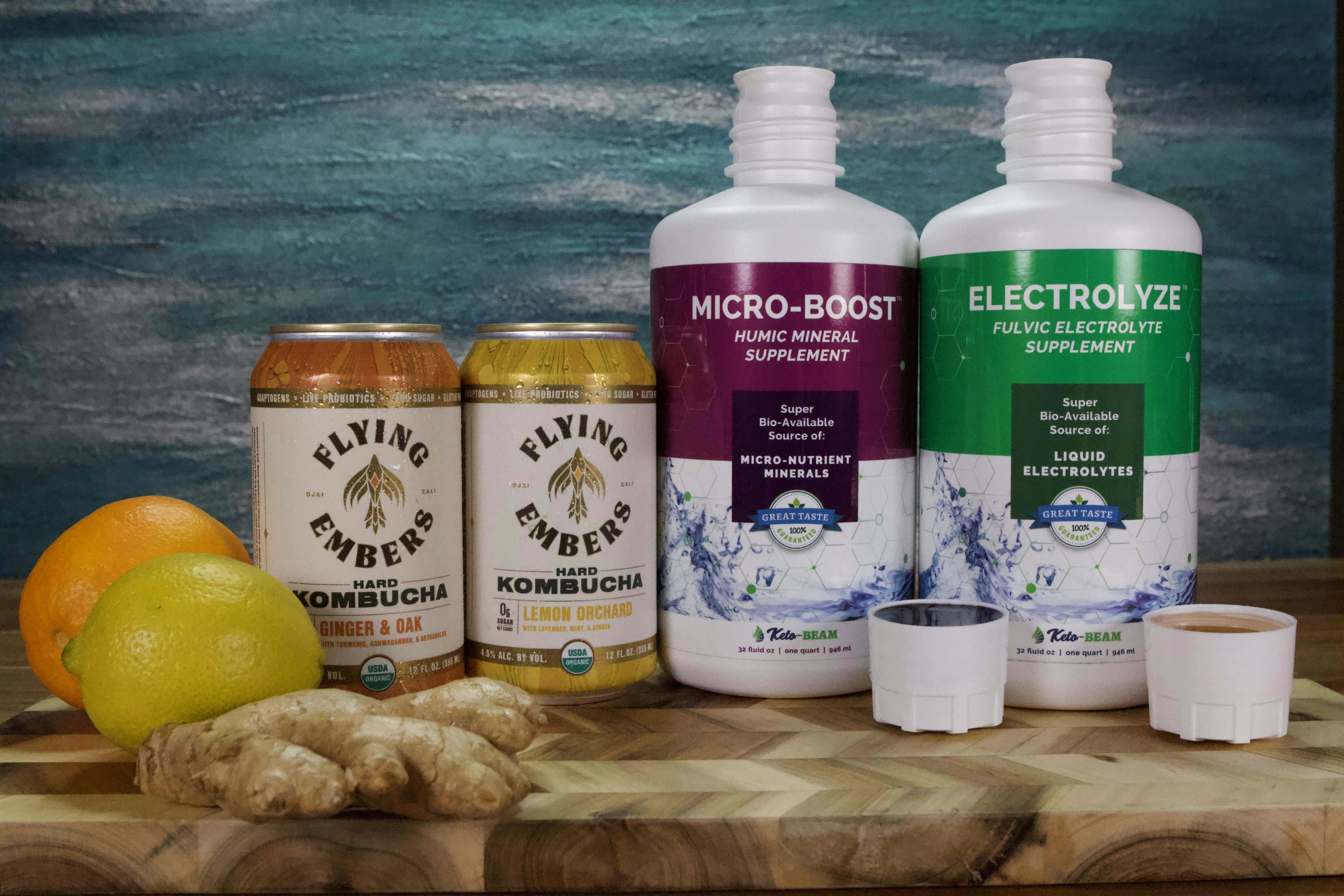
Introduction to Functional Beverages
Functional beverages have emerged as an innovative category within the beverage industry, transcending traditional options by offering enhanced health benefits alongside hydration. Defined as drinks that provide additional nutritional value beyond basic nutrition, functional beverages are tailored to support specific health outcomes, thereby appealing to the increasingly health-conscious consumer. This sector encompasses a wide range of products, including but not limited to, probiotic drinks, fortified waters, energy drinks infused with vitamins, and most recently, beverages leveraging the power of adaptogens and nootropics.
The growing trend towards health-conscious consumption can be attributed to a myriad of factors, including a heightened awareness of personal well-being, the rise of lifestyle-related health issues, and a general desire for preventative health measures. As individuals seek to optimize their physical and mental performance, there is a distinct demand for beverages that not only quench thirst but also bolster overall wellness. Consumers are becoming more discerning about the ingredients they choose, frequently opting for products that support their health objectives, which has contributed to the burgeoning popularity of functional beverages.
Within this context, adaptogens and nootropics have gained significant traction. Adaptogens are natural substances that help the body adapt to stress, promoting balance and enhancing resilience. Nootropics, on the other hand, are substances that can enhance cognitive function, creativity, and motivation. The integration of these ingredients into functional beverages marks a paradigm shift toward holistic health solutions, cementing their presence in contemporary diets. As consumer interest grows, the market for functional beverages is poised for continued expansion, reflecting society’s evolving approach to nutrition and wellness.
Understanding Adaptogens: Nature’s Resilience Boosters
Adaptogens are a unique class of natural substances that help the body adapt to stress and promote overall balance. Originating from various plants, these compounds have been used for centuries in traditional medicine systems—most notably in Ayurveda and Traditional Chinese Medicine. The term “adaptogen” was first coined in the 1940s by Russian scientist Dr. Nikolai Lazarev, who sought to identify substances that enhance the body’s resilience to environmental stressors.
Adaptogens work by modulating physiological responses to stress and maintaining homeostasis. They interact with the hypothalamic-pituitary-adrenal (HPA) axis and the neuroendocrine system, helping to regulate hormones that influence stress and mood. This balancing effect helps combat symptoms like fatigue, anxiety, and mental fog. Importantly, adaptogens not only provide physical support but may also enhance cognitive function, making them valuable in the realm of overall wellness.
Some common adaptogenic herbs that have gained prominence in recent health trends include ashwagandha, rhodiola rosea, holy basil, and ginseng. Ashwagandha is renowned for its ability to reduce cortisol levels, which may alleviate anxiety and improve stamina. Rhodiola rosea is known for its energy-boosting and mood-enhancing properties, while holy basil not only combats stress but also supports immune health. Ginseng, another well-researched adaptogen, has been found to enhance cognitive performance and reduce mental fatigue.
The increasing popularity of functional beverages incorporating these adaptogenic herbs reflects a broader movement towards natural health solutions. As consumers become more aware of the benefits of adaptogens, products featuring these ingredients are proliferating in the market. From herbal teas to specialized wellness drinks, adaptogens are positioning themselves as essential components of a healthier lifestyle.
Nootropics: Enhancing Cognitive Function through Beverages
Nootropics, often referred to as “smart drugs” or cognitive enhancers, are substances that aim to improve various aspects of cognitive function, including memory, creativity, motivation, and attention. These compounds can be naturally occurring or synthetic, and they are frequently integrated into beverages designed to support mental performance. The growing popularity of nootropics is partly due to the increasing demands of modern life, where students and professionals alike seek ways to boost their cognitive capabilities and maintain optimal brain health.
Several ingredients categorized as nootropics are gaining traction within functional beverages. Among these, caffeine, commonly found in coffee and tea, stands out for its stimulant properties that enhance alertness and focus. L-theanine, often combined with caffeine, promotes a calming effect while also improving cognitive performance, thus creating a balanced state conducive to productivity. Another noteworthy nootropic is Bacopa monnieri, an herb known for its potential to improve memory and cognitive function over time.
In addition to these, Ginkgo biloba and Rhodiola rosea are recognized for their ability to enhance blood flow to the brain and reduce fatigue, respectively. These ingredients are not just limited to traditional dietary supplements; instead, they are increasingly featured in various innovative beverage formulations, appealing to health-conscious consumers looking for mental clarity and focus. The allure of nootropic-infused drinks resonates particularly well with professionals, students, and anyone seeking an edge in cognitive function, making these beverages a popular choice in the marketplace.
As society continues to embrace the importance of mental well-being, the integration of nootropics in beverages presents an exciting evolution in how individuals can support their cognitive health. With their potential benefits, these functional drinks offer a convenient way to enhance mental performance in today’s fast-paced world.
Market Trends: The Surge in Popularity of Functional Drinks
The functional beverage market has experienced significant growth over recent years, driven by an increasing consumer awareness of health and wellness. Statistics show that the global functional drinks market is projected to reach over $200 billion by 2028, marking a compound annual growth rate (CAGR) of approximately 8% from 2021 to 2028. This surge is largely attributed to shifting consumer preferences toward health-oriented products that offer not only hydration but also additional health benefits.
One notable trend within this realm is the rising interest in beverages that incorporate adaptogens and nootropics. These natural ingredients are gaining traction among consumers who are keen to enhance their physical and mental well-being. Adaptogens are known for their ability to help the body adapt to stress, while nootropics, often referred to as “smart drugs,” are utilized to improve cognitive function. As more consumers prioritize mental clarity and emotional resilience, the demand for beverages containing these ingredients continues to escalate.
Moreover, the movement towards plant-based and natural ingredients in functional drinks is a key factor driving market growth. Consumers are increasingly opting for products that align with their values, such as sustainability and natural sourcing. In 2022, over 60% of consumers reported making dietary changes to improve their health, influencing the beverage sector to innovate and diversify its offerings. Brands are now more likely to incorporate ingredients like herbal extracts, fruits, and whole grains, all of which resonate well with the health-conscious demographic.
The shift in consumer behavior also reflects a broader cultural trend towards self-care and holistic well-being. According to recent surveys, a notable percentage of individuals actively seek out functional drinks that claim to support immunity, energy, and brain health. As a result, the functional beverage sector is rapidly evolving to cater to these demands, establishing a dynamic marketplace for new and innovative products.
Health Benefits: What Science Says
The health benefits associated with adaptogens and nootropics have garnered significant attention in recent years, particularly in the realm of functional beverages. Numerous studies have explored the potential of these ingredients to enhance both physical and mental well-being, providing a scientific basis for their incorporation into daily diets. Adaptogens, such as Ashwagandha and Rhodiola, are known for their ability to modulate the body’s stress response, promoting resilience and balance. Research indicates that these natural substances can reduce cortisol levels, ultimately alleviating stress and anxiety, which benefits overall health.
In a study published in the journal “Psychopharmacology,” participants who consumed adaptogenic herbs experienced a noticeable reduction in stress-related symptoms, highlighting their compelling role in emotional well-being. Furthermore, adaptogens have been linked to improved cognitive function, which serves to enhance focus and mental clarity. This intersection of physical and mental health is particularly relevant for those leading demanding lifestyles, where stress management is vital.
Nootropics, on the other hand, facilitate cognitive enhancement through mechanisms such as increased blood flow to the brain and improved neuroplasticity. Substances like L-theanine and Bacopa Monnieri have been extensively researched for their potential to enhance memory, creativity, and motivation without the jittery side effects often associated with conventional stimulants. For instance, a survey of studies revealed that participants taking Bacopa Monnieri exhibited improved attention spans and cognitive processing speeds compared to those on placebo.
The convergence of adaptogens and nootropics in functional beverages not only underscores the ongoing research backing their benefits but also highlights a growing trend towards more natural, effective solutions for health optimization. As research continues to unfold, these ingredients are likely to play an increasingly significant role in the wellness arena, providing a bridge between ancient herbal wisdom and modern scientific exploration.
Popular Functional Beverage Brands and Their Offerings
The functional beverage market has witnessed a significant transformation, with numerous brands emerging that focus on providing health benefits through the incorporation of adaptogens and nootropics. As consumers increasingly seek alternatives that enhance wellness, several notable brands have distinguished themselves by offering innovative and diverse products.
One of the leading brands in this space is REBBL, which specializes in craft beverages infused with functional ingredients. Their products often feature adaptogens such as ashwagandha and reishi mushrooms, designed to support stress relief and overall well-being. For example, their Cacao Mint drink combines creamy coconut milk with soothing ingredients, appealing to health-conscious consumers looking for indulgence without guilt.
Another significant player is Onnit, known for its focus on cognitive enhancement. Their Alpha Brain Coffee Creamer is a unique offering that blends nootropics with coffee, aiming to improve mental performance and focus. This product has garnered positive consumer feedback for its efficacy and taste, making it a popular choice among busy professionals seeking an edge in their daily routines.
Health-Ade has also carved a niche in the market with its probiotic-rich kombucha. Their formulations incorporate adaptogens like tulsi and eleuthero, designed to support gut health while providing additional wellness benefits. Consumers appreciate the refreshing flavors and functional aspects of these beverages, often citing them as part of a balanced lifestyle.
The increase in functional beverage options reflects a broader trend where health and wellness beverages incorporate ingredients that promise not only taste but also tangible benefits. As these brands continue to innovate, the functional beverage market is likely to expand, offering an even greater variety of choices for health-oriented consumers.
DIY Functional Beverages: How to Create Your Own
As the popularity of functional beverages continues to rise, many individuals are seeking ways to create their own at home. Making functional drinks can be a rewarding experience, allowing you to personalize each beverage to meet your health needs and taste preferences. Start by selecting recipes that incorporate adaptogens and nootropics, both of which are known for their health benefits. Ingredients such as ashwagandha, reishi mushrooms, ginseng, and Rhodiola rosea can support stress relief, mental clarity, and overall wellness.
When preparing your functional beverages, quality sourcing is essential. Opt for organic and high-quality herbs and supplements. Online health food stores, local markets, or specialty shops often carry a variety of these ingredients. Additionally, consider checking for certifications such as non-GMO or fair trade, which can further ensure that you are using premium products. It is also beneficial to read reviews or consult with herbalists for recommendations on specific brands or sources to find the best adaptogens and nootropics available.
Flavor balancing is crucial in the creation of enjoyable functional drinks. Start with a base of herbal teas, sparkling water, or juices. Gradually add in adaptogens and nootropics, ensuring to adjust quantities to suit your taste while still receiving their health benefits. Incorporating complementary flavors such as fresh fruits, herbs, or spices can enhance the overall experience. For example, a refreshing lemon and ginger infusion can pair well with ashwagandha and honey for a delightful wellness tonic. Remember to experiment with different ratios and ingredients until you discover unique combinations that satisfy your palate and cater to your health objectives.
By making your own functional beverages, you gain control over the ingredients used and the health benefits sought. This hands-on approach not only nurtures your creativity but reinforces the commitment to healthier living that functional beverages embody.
Challenges and Considerations in the Functional Beverage Industry
The functional beverage industry has witnessed significant growth in recent years, primarily driven by consumer interest in health and wellness. However, amidst this growth, several challenges and considerations merit attention. Regulatory issues represent a prominent challenge, as functional beverages often contain ingredients like adaptogens and nootropics that are not uniformly categorized under food or dietary supplement regulations across various regions. Companies must navigate these regulatory landscapes carefully to ensure compliance while still promoting their products effectively.
Ingredient sourcing is another crucial aspect for manufacturers of functional beverages. Many of these products rely on exotic ingredients, which raises questions about sustainability and ethical sourcing practices. Companies are increasingly conscious of the impact of their ingredient choices on local economies and ecosystems, striving to establish fair trade practices and environmentally friendly sourcing strategies. Furthermore, the quality and efficacy of ingredients can vary significantly, leading to inconsistencies in product performance that may affect consumer trust.
Consumer skepticism also poses a challenge in the functional beverage sector. As the market becomes saturated with products claiming health benefits, consumers are becoming more discerning and often question the actual effectiveness of these drinks. To combat this skepticism, brands are focusing on transparency in their marketing strategies; they are providing detailed information about the science behind their formulations, sourcing practices, and health claims. Additionally, communication about potential side effects and dosage guidelines is becoming increasingly important to foster consumer trust and education.
Ethical considerations play a central role in this industry, as brands must balance profit motives with the responsibility of promoting truly beneficial products. By addressing these challenges head-on, companies can not only thrive within the functional beverage space but also contribute to a healthier society that values informed consumer choices.
The Future of Functional Beverages: Trends to Watch
As consumer awareness of health and wellness continues to expand, the market for functional beverages is poised for significant growth. A key trend that is anticipated to shape the future of this sector is the increasing interest in adaptogens and nootropics. These natural compounds, known for their ability to promote mental clarity and manage stress, are gaining traction as consumers seek innovative solutions for everyday challenges.
Another area of development is the incorporation of novel ingredients that cater to specific health concerns. Ingredients such as prebiotics and probiotics are already prevalent, but the future may see the emergence of additional functional compounds that address issues like sleep, immunity, and digestion. Advances in nutritional science could lead to the discovery of new adaptogens and nootropics that are not currently mainstream, thereby expanding options for consumers seeking to enhance their beverage choices.
Technological advancements in beverage production are also expected to make a significant impact. Innovations in extraction techniques, such as CO2 extraction or cold pressing, enable manufacturers to incorporate a wider range of plant-based compounds without compromising quality. Furthermore, advancements in preservation methods allow for greater shelf stability of functional beverages, ensuring that consumers receive the full benefits of the nutrients contained therein. This not only enhances product efficacy but also supports the growing trend of convenience in consumer lifestyles.
Moreover, evolving consumer preferences towards sustainability and clean-label products will drive brands to be more transparent in their ingredient sourcing. As consumers become increasingly conscious of their environmental footprint, functional beverage producers will need to adopt sustainable practices, from sourcing raw materials to packaging. This alignment with ethical values will become crucial in attracting and retaining a loyal customer base.
In conclusion, the future trajectory of the functional beverages industry is looking promising, characterized by innovative ingredients, technological advancements, and a strong emphasis on consumers’ health and sustainability preferences. These factors are likely to not only enhance the appeal of functional beverages but also broaden their market reach in an increasingly health-conscious society.