
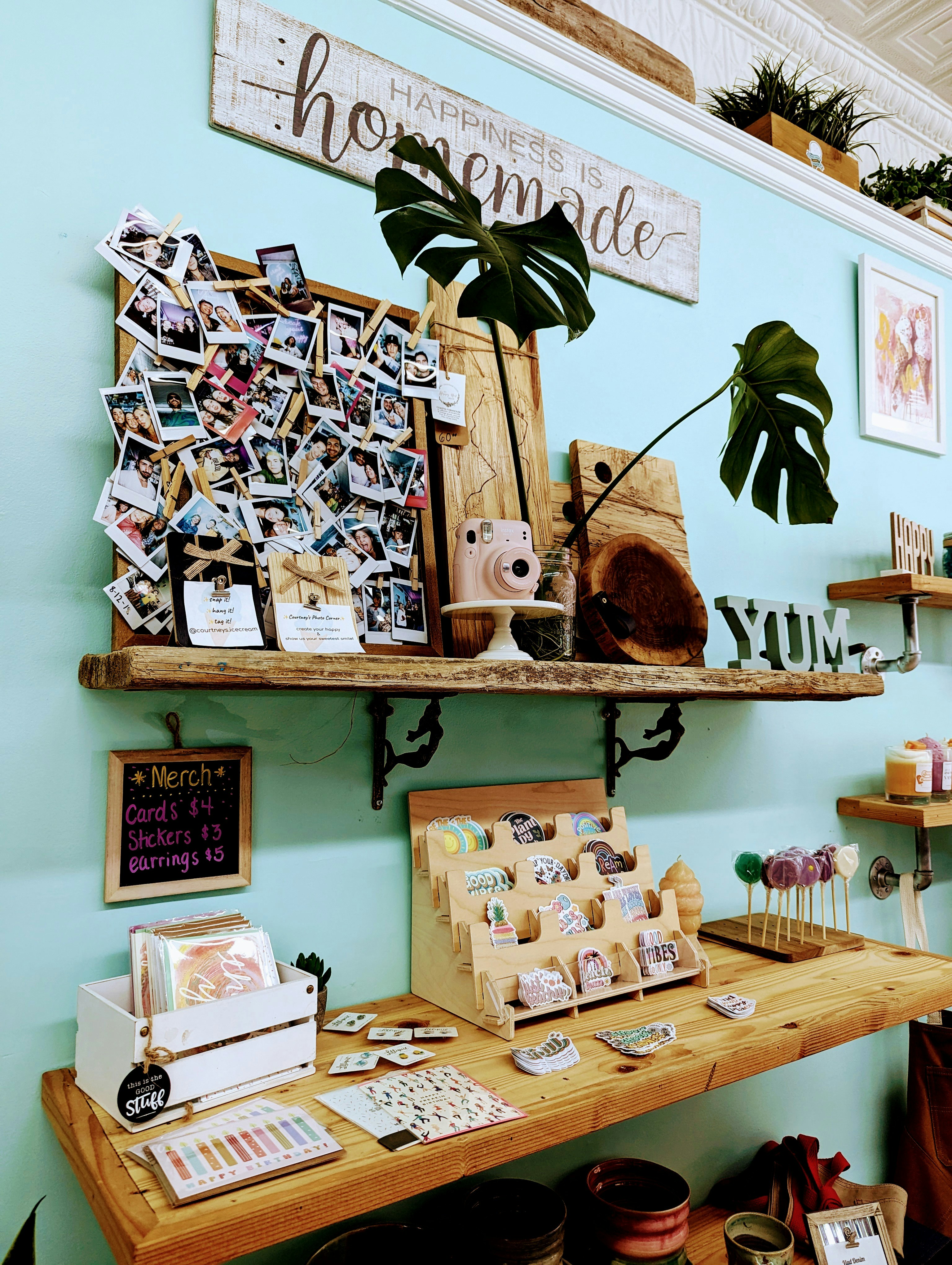
Introduction to Etsy and Its Potential
Etsy has emerged as a leading online marketplace, recognized for its focus on handmade, vintage, and unique goods. This platform presents an exceptional opportunity for sellers to reach a vast audience beyond geographical constraints. As e-commerce continues to grow, retailers are increasingly turning to platforms like Etsy to showcase their products and connect with consumers who value individuality and craftsmanship.
According to recent statistics, Etsy boasts millions of active sellers and buyers, highlighting the platform’s vibrant ecosystem. Reports indicate that over 60 million buyers have engaged with Etsy shops, showcasing a significant potential market for vendors. Moreover, the site has experienced continuous growth, with annual revenue reaching impressive figures that underline the importance of this marketplace for independent creators and small business owners. This growth trend emphasizes the necessity for sellers to familiarize themselves with best practices, which leads to the relevance of effective Etsy shop tips.
Understanding Etsy’s unique attributes is crucial for sellers aiming to navigate the complexities of online retail. Distinct from other platforms, Etsy fosters a community concentrated on authentic, handcrafted products. Consequently, it is vital for sellers to grasp the nuances of product listing, branding, and customer engagement that can significantly influence their shop’s success. Sellers who invest time in learning how to optimize their listings, effectively photograph their items, and utilize the platform’s marketing tools can substantially enhance their visibility and sales potential.
Consequently, the following tips are tailored to provide invaluable insights for sellers looking to maximize their success on Etsy. Through careful application of these strategies, you can harness the platform’s capabilities, ultimately leading to a thriving online presence and robust sales.
Finding Your Niche
In the competitive landscape of Etsy, selecting the right niche is crucial for the success of your shop. A well-defined niche not only helps to differentiate your products from others but also aligns with your skills and passions. To begin, it is essential to conduct thorough market research. This can be accomplished by exploring current trends, understanding customer demands, and analyzing the competitive landscape.
Start by examining popular categories within Etsy. Look for products that garner significant attention and have high sales volumes. Utilizing tools such as Google Trends, Etsy Rank, or Marmalead can provide valuable insights into search volumes and emerging trends. Pay attention to seasonal fluctuations, as they can significantly influence product popularity. Observing competitors and their product offerings will help you identify gaps in the market that you could capitalize on.
When assessing potential niches, consider your personal interests and expertise. Creating products that you are passionate about not only makes the process enjoyable, but also authenticates your brand. It allows you to communicate your story effectively to customers, engendering a personal connection. Remember that Etsy shop tips suggest balancing passion with profitability; not every love will translate into a viable business if there’s insufficient demand. Strive to select a niche where your skills can meet market needs effectively, creating a win-win situation.
Once you have a niche in mind, it is advisable to test your hypothesis. Consider starting with a small batch of items and gauge customer response. This iterative approach allows you to refine your product offerings while minimizing risk. By strategically selecting a niche based on thorough research and personal aptitude, you can ensure that your Etsy shop not only stands out but also thrives in a crowded marketplace.
Creating Quality Listings
One of the most critical aspects of running a successful Etsy shop is creating high-quality listings. The elements that comprise a product listing, including titles, descriptions, and images, play a significant role in attracting potential buyers and enhancing sales performance. An effective title should be descriptive yet concise, incorporating relevant keywords that shoppers are likely to search for. This not only helps in SEO but also ensures that the title accurately represents the product, which can enhance click-through rates.
When crafting product descriptions, aim for clarity and engagement. A well-written description should provide detailed information about the product, including its features, dimensions, materials used, and any care instructions. Using bullet points can help to present this information in a readable format. Additionally, incorporating keywords naturally throughout the description will improve your product’s visibility in search results without compromising the quality of the text. Avoid excessive jargon and focus on how the product addresses potential customers’ needs or desires, which can effectively motivate purchase decisions.
The visual presentation of your products cannot be overlooked. High-quality images are paramount in attracting buyers’ attention and making your listings stand out. To achieve this, use natural lighting and a clutter-free background. Multiple angles of the product, as well as close-up shots that showcase intricate details, can enhance buyer trust and provide a comprehensive view. Consider including lifestyle images that depict the product in use; this strategy can help customers visualize how the item fits into their lives. By honing in on these elements, you will significantly improve your Etsy shop’s appeal and increase your chances of generating sales.
Optimize for Search Engines
Search Engine Optimization (SEO) is a fundamental aspect of growing your Etsy shop’s visibility. In a highly competitive marketplace like Etsy, effectively optimizing your listings can significantly impact your shop’s performance and reach. The first step toward achieving this is thorough keyword research. Keywords are the terms and phrases that potential customers are likely to use when searching for your products. Tools such as Etsy’s search bar, Google Keyword Planner, and other SEO tools can assist in identifying relevant keywords that resonate with your target audience.
Once you have a list of potential keywords, the next step is to integrate them naturally into your product titles, descriptions, and tags. Aim for clear and concise titles that include primary keywords but also accurately reflect the item you are selling. The product description should elaborate on the features and benefits of the item while weaving in related keywords. This strategy enhances both the readability for interested buyers and the discoverability of your listings by search engines.
In addition, using all available tags is crucial. Etsy allows you to include up to 13 tags for each listing; utilize this space to cover variations of your keywords. Consider including synonyms, related terms, and potential misspellings to broaden your reach. Regularly updating your listings based on trends and seasonal keywords can also help keep your shop relevant and visible.
Lastly, pay attention to your shop’s overall performance. Etsy provides analytics tools that help you identify which keywords are driving traffic and conversions. Monitoring your performance will enable you to adjust your strategy to optimize your Etsy shop further. By implementing effective SEO strategies, you can significantly improve your shop’s visibility on both Etsy and search engines, thus attracting a larger audience.
Pricing Your Products Right
Setting the right price for your products is a crucial element of running a successful Etsy shop. An effective pricing strategy should balance profitability with competitiveness to attract potential buyers. When determining your prices, it is essential to consider the cost of materials, the time invested in creating the item, and associated overhead costs like shipping and listing fees.
To begin, calculate the total cost of materials for each product you offer in your Etsy shop. This includes every component that contributes to making your item, from raw materials to any packaging. Once you have established your costs, add in the amount of time you spend on the creation of these products. Assigning a fair hourly wage for your time will help you understand the true cost of your work, ensuring you are compensated adequately. Market research is another vital aspect of pricing strategy. Analyze similar products within your niche on Etsy to gauge their pricing. This insight will allow you to position your items competitively.
In addition to setting the base price, consider strategies like offering discounts or free shipping, which can help attract customers and increase sales. Free shipping can be particularly appealing to buyers, so think about integrating that cost into your base price. Moreover, you may want to utilize limited-time discounts to create urgency among shoppers. However, while implementing these strategies, it’s imperative to maintain a focus on sustainability, balancing affordability with your business’s long-term health.
Overall, effective pricing requires a thorough understanding of your costs, the market, and your target audience. By continuously analyzing these factors and adjusting accordingly, you will be well-equipped to optimize your Etsy shop and enhance your profitability.
Branding Your Etsy Shop
Establishing a strong brand for your Etsy shop is pivotal in attracting customers and fostering loyalty. The first element to consider is your shop name, which should encapsulate the essence of your products while remaining memorable and unique. A well-chosen name not only aids in recognition but also contributes to your shop’s overall identity. Ensure that your shop name is easy to spell and pronounce, as this will facilitate better word-of-mouth promotion.
Your logo serves as a visual representation of your brand. A professional, eye-catching logo can significantly enhance the perception of your shop. Invest time in creating a logo that reflects your style and the nature of your products. Utilize design tools or hire a professional designer if necessary. Alongside your logo, consider a cohesive color scheme that evokes the desired emotions connected to your brand. Colors can greatly influence consumer feelings and behaviors, so select shades that resonate with your target audience.
Another crucial aspect is cohesive product presentation. Each item in your shop should represent your brand consistently, from the product photography to the descriptions and packaging. High-quality photos that align with your branding strategy can captivate potential buyers and encourage them to explore your offerings. Additionally, storytelling plays a significant role in branding. Share your narrative, your journey, and the inspiration behind your creations. This personal connection can engage customers and cultivate trust, making them more inclined to purchase from you. When integrated effectively, these branding elements can create an inviting atmosphere that encourages customer loyalty and repeat business, making your Etsy shop stand out.
Effective Customer Service Practices
Providing excellent customer service is essential for the success of any Etsy shop. The way shop owners interact with customers can significantly impact their reputation and sales performance. One of the critical aspects of effective customer service is response time. Etsy shop owners should aim to respond to inquiries promptly, ideally within 24 hours. Quick responses not only enhance customer satisfaction but also increase the likelihood of converting potential buyers into loyal patrons. Customers appreciate when their queries are addressed in a timely manner, leading to positive experiences that encourage repeat business.
Moreover, handling disputes and negative feedback constructively is paramount. Every shop will encounter challenges, but utilizing customer feedback to improve services and products can turn a negative experience into a positive one. When a customer expresses dissatisfaction, approach the matter professionally and empathetically. Acknowledging their concerns and offering solutions can mitigate potential damage to your shop’s image.
Clear communication also plays a vital role in effective customer service. Etsy sellers should set and communicate clear policies on shipping, returns, and exchanges. By providing customers with transparency regarding these aspects, shop owners can minimize misunderstandings and enhance the shopping experience. For example, detailing shipping times, costs, and return procedures in the shop policies helps to manage customer expectations, thereby reducing potential conflicts.
Additionally, consider utilizing automated tools for routine inquiries to ensure that no message goes unanswered. Implementing a well-structured FAQ section can also be beneficial, as it provides customers with instant access to common questions while freeing up time for shop owners to focus on more personalized interactions where necessary.
In conclusion, adopting effective customer service practices in your Etsy shop through timely responses, thoughtful dispute resolution, and clear communication can significantly enhance the customer experience. These practices not only foster loyalty but also contribute to the overall success and credibility of your store in the competitive online marketplace.
Leveraging Social Media for Promotion
Promoting your Etsy shop through social media is an effective strategy that can significantly impact your traffic and sales. The key to successful promotion lies in understanding which platforms to utilize and how to engage your audience effectively. Various platforms such as Instagram, Facebook, Pinterest, and TikTok offer unique advantages for Etsy shop owners.
Instagram is known for its visual appeal and is particularly useful for showcasing products. High-quality images and engaging stories can help create a visually appealing feed that captures potential customers’ attention. Utilize hashtags related to your products and the Etsy community to increase visibility. Regularly posting behind-the-scenes content can also enhance authenticity and create a personal connection with your audience.
Facebook allows for deeper interactions, especially through dedicated groups where you can share your products and connect with potential customers. Engaging content like polls, live videos, and posts that tell your brand story can keep followers interested. Creating events or promotional announcements on Facebook can drive traffic directly to your Etsy shop.
Pinterest is a particularly powerful tool for Etsy shops. Create visually attractive pins that link directly to your products. Use keyword-rich descriptions to enhance discoverability. Since Pinterest functions as a search engine, pins with good optimization can lead to significant viral traffic to your Etsy shop.
Finally, TikTok offers a dynamic platform to create engaging short videos that showcase your products in fun and creative ways. Tap into current trends to reach a broader audience and use popular music that aligns with your brand message. Engaging storytelling can convert viewers into customers.
By strategically utilizing these social media platforms, you can not only grow your follower base but also drive substantial traffic to your Etsy shop, ensuring better visibility and increased sales opportunities.
Utilizing Etsy’s Tools and Resources
To succeed in the competitive marketplace of Etsy, sellers must effectively leverage the platform’s tools and resources. Etsy provides a range of features designed to assist shop owners in monitoring performance, managing orders, and enhancing customer engagement. One of the most vital tools is the Etsy Shop Manager, which serves as a centralized dashboard where sellers can analyze key metrics and track their shop’s performance. Utilizing this tool allows Etsy sellers to gain insights into traffic sources, sales trends, and customer behaviors, empowering them to make informed decisions regarding their products and marketing strategies.
Furthermore, analytics play a crucial role in understanding customer preferences and optimizing listings. Etsy provides sellers with access to vital analytics data such as views, favorites, and conversion rates. By consistently monitoring this information, shop owners can identify popular items, refine their product offerings, and modify their listing strategies to improve visibility. Additionally, utilizing Etsy’s marketing tools, such as promoted listings and social media integrations, can significantly enhance a shop’s reach. These features enable sellers to promote their products to a broader audience, thus increasing the likelihood of securing sales.
Communication with the Etsy community is also essential for continuous learning and improvement. Seller forums and Etsy’s help center serve as valuable resources for obtaining support and advice from experienced sellers. Engaging in discussions within these forums can lead to the discovery of innovative practices and insights into current trends. By connecting with other Etsy shop owners, sellers can share experiences and garner feedback, allowing for a more collaborative approach to growth.
Overall, utilizing Etsy’s tools and resources effectively can foster an environment of continuous improvement. By embracing these capabilities, sellers can not only track performance but also stay informed about essential updates and trends, ultimately aiding in the long-term success of their Etsy shops.
Continual Learning and Adaptation
In the dynamic world of e-commerce, particularly on platforms such as Etsy, the importance of continual learning and adaptation cannot be overstated. Sellers must stay informed about market trends, evolving customer preferences, and updates to Etsy’s policies to maintain a competitive edge. This proactive approach not only enhances your Etsy shop performance but also fosters a deeper connection with your target audience.
One of the most effective ways to keep abreast of market changes is by actively seeking out community feedback. Engaging with customers through reviews, social media, or direct communication can provide valuable insights into what resonates with your audience. These interactions can guide product development and marketing strategies, enabling sellers to cater to specific consumer needs more effectively.
Furthermore, being part of online forums and groups dedicated to Etsy and e-commerce can prove invaluable. These communities often share experiences, advice, and resources that can enhance your understanding of best practices. Utilizing platforms like Facebook groups or Reddit can connect you with other sellers who may already be navigating challenges similar to your own. Participating in webinars, workshops, or Etsy’s own seller events can also provide you with up-to-date information and networking opportunities.
Another essential element of continual learning is staying informed about changes to Etsy’s policies. The platform regularly updates its rules and guidelines to enhance user experience and encourage growth among sellers. Familiarizing yourself with these updates can help avoid potential violations that might jeopardize your shop’s status.
Lastly, consider investing in educational resources, such as books, online courses, or blogs focused on e-commerce, marketing strategies, and product photography. These materials can equip you with fresh ideas and approaches to refine your Etsy shop. By embracing a mindset of learning and adaptation, sellers not only keep their shops flourishing but also pave the way for long-term success in the ever-evolving digital marketplace.