Introduction to Energy Efficiency
In recent years, the concept of energy efficiency has gained significant momentum, particularly in the realm of home renovations. Energy efficiency refers to the practice of reducing energy consumption while still providing the same level of service, thus leading to more sustainable living options. It is an essential aspect of modern renovations, especially as we approach 2025, a year anticipated to usher in substantial changes to lifestyle and environmental conditions.
The significance of energy-efficient upgrades extends beyond just reducing the environmental footprint. By implementing these upgrades, homeowners can achieve considerable savings on their utility bills over time. Energy-efficient homes demand less energy for heating, cooling, and powering appliances, which translates into lower monthly bills. The savings accrued from these lower utility costs can be redirected toward other important home improvement projects or savings initiatives.
As the effects of climate change become more pronounced, there is an increasing urgency for homeowners to engage in renovations that prioritize energy efficiency. By making informed decisions in their home upgrades, individuals can contribute to a collective effort in combating climate change. Renovations planned for 2025 should aim to adapt and improve the resilience of homes in response to changing weather patterns and environmental conditions. This proactive approach not only benefits individual homeowners by enhancing the comfort and value of their properties but also has a broader positive impact on the planet.
Ultimately, the importance of energy-efficient renovations goes beyond mere cost savings. By embracing energy-efficient practices, homeowners are making a choice that is sustainable and responsible, ensuring their homes are prepared for the future while also preserving the environment for generations to come.
Smart Home Technology
In recent years, the integration of smart home technology has emerged as a leading energy-efficient upgrade for homeowners, and its importance is expected to grow in 2025 renovations. Smart home devices, which include smart thermostats, lighting systems, and energy monitors, not only enhance the convenience and comfort of living spaces but also significantly contribute to energy savings. With the increasing availability of IoT (Internet of Things) devices, homeowners now have greater control over their energy consumption, leading to more efficient management of their energy resources.
Smart thermostats, for instance, utilize advanced algorithms and sensors to learn household patterns and preferences. This technology allows homeowners to optimize their heating and cooling schedules, preventing excessive energy usage during peak hours or when no one is home. By automatically adjusting based on real-time data, smart thermostats can lead to a reduction in energy bills, while also minimizing the carbon footprint associated with heating and cooling systems.
Moreover, smart lighting systems allow homeowners to control their lights remotely, either through smartphone applications or voice-activated devices. These systems can be programmed to switch off lights in unoccupied rooms or adjust brightness according to the time of day, all of which contribute to significant energy savings. For instance, utilizing energy-efficient LED bulbs in conjunction with smart controls maximizes efficiency and reduces overall energy consumption.
Furthermore, energy monitors provide real-time feedback on energy usage, giving homeowners insights into their consumption patterns. By identifying high-energy-consuming appliances and providing actionable recommendations, these monitors empower individuals to make informed decisions that lead to substantial reductions in energy waste.
As the demand for energy-efficient solutions continues to rise, integrating smart home technology during renovations can not only enhance comfort and convenience but also contribute to a sustainable future. The benefits of employing such technology cannot be overstated, making it a crucial consideration for any renovation project in 2025.
Solar Panel Installations
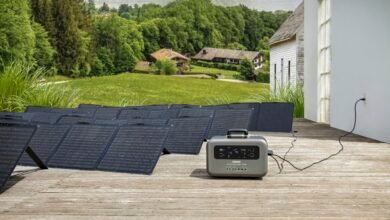
In recent years, solar panel installations have risen to prominence as a pivotal upgrade in energy-efficient home renovations. The incorporation of solar energy systems not only contributes to sustainability but also presents homeowners with significant financial benefits. One of the primary advantages of solar panels is their capacity to drastically reduce electricity bills. By harnessing sunlight, homeowners can generate their own energy, lessening reliance on traditional power suppliers and minimizing monthly utility expenses. This decrease in electricity costs can lead to substantial savings over time, making the initial investment in solar technology worthwhile.
Furthermore, homes equipped with solar panel systems tend to see an increase in property value. As modern buyers prioritize energy efficiency and sustainability, the presence of solar panels can make a property more attractive, potentially yielding higher resale prices. This aligns with the broader market trend where environmentally conscious living is increasingly sought after, establishing solar installations as a strategic enhancement for future resale opportunities.
Recent advancements in solar technology further enhance the appeal of these installations. Innovations such as improved solar panel efficiency and integrated storage solutions allow homeowners to not only generate energy but also store it for later use. This capability enables families to utilize solar energy even when the sun is not shining, providing more consistent energy access throughout the day and night. Enhanced battery systems can store vast amounts of energy, allowing homeowners to maintain energy independence and manage consumption effectively.
As the technology continues to evolve, incorporating solar panel installations into home renovations emerges as a forward-thinking adaptation aligned with both economic rationale and lifestyle aspirations. The combination of reduced utility costs, elevated home valuations, and cutting-edge technology solidifies solar energy’s role as an indispensable upgrade for homeowners looking to enhance energy efficiency in 2025 and beyond.
Energy-Efficient Windows and Doors
In the pursuit of enhancing energy efficiency during home renovations, upgrading to energy-efficient windows and doors represents a critical investment. These elements play a significant role in insulating a home, effectively preventing heat loss during colder months and minimizing heat gain in the summer. The choice of materials and technologies used in these upgrades is vital, as they directly influence thermal performance and overall comfort levels within the living space.
Modern energy-efficient windows typically feature multiple glazing layers, low-emissivity (low-E) coatings, and inert gas fills that provide enhanced insulation compared to traditional single-pane windows. Triple-glazing, for instance, offers superior thermal resistance, making it an excellent choice for homeowners aiming to reduce their energy consumption. When selecting doors, those made from insulative materials such as fiberglass or steel, combined with quality weather sealing, will help maintain consistent indoor temperatures and lower heating and cooling costs.
Aside from functional benefits, the aesthetic appeal of energy-efficient windows and doors can greatly enhance the overall value of a home. Various designs and styles are available that cater to personal taste while still achieving high energy ratings. For example, energy-star-rated windows and doors not only improve insulation but also contribute to a home’s lighter environmental footprint. Investing in reputable brands known for their energy efficiency ensures that homeowners receive reliable products that can withstand the test of time.
In light of these developments, it becomes clear that upgrading to energy-efficient windows and doors is not merely a stylistic enhancement but a strategic decision that pays dividends in long-term savings. By choosing the right materials and technologies, homeowners can significantly enhance the comfort of their living space while simultaneously working to achieve a lower energy rating, thus contributing positively to a more sustainable future.
High-Efficiency Heating and Cooling Systems
As homeowners and builders alike look to integrate energy efficiency into their renovations, the installation of high-efficiency heating and cooling systems has emerged as a fundamental upgrade. Modern heating, ventilation, and air conditioning (HVAC) systems are designed to provide superior comfort while simultaneously minimizing energy consumption. These advanced systems utilize technology that enhances performance, allowing for optimal temperature control throughout a residence.
High-efficiency furnaces and air conditioners have greatly evolved, boasting higher Seasonal Energy Efficiency Ratios (SEER) and Annual Fuel Utilization Efficiency (AFUE) ratings. For instance, modern air conditioners can achieve a SEER rating of 20 or even higher, significantly outperforming older models. This improvement leads to reduced energy wastage, ensuring that every unit of energy consumed goes towards effective climate regulation. Implementing such thoroughly tested HVAC solutions can lead to notable reductions in utility expenses over time, making them financially viable in the long run.
In addition to air conditioners and furnaces, heat pumps represent another energy-efficient heating and cooling option. These systems can function effectively in both heating and cooling modes, utilizing electricity to transfer heat instead of generating it from scratch. This results in greater energy savings and reduced greenhouse gas emissions compared to traditional heating methods. The versatility of heat pumps allows them to adapt to various climates, making them a commendable choice for numerous households.
Regular maintenance is critical for the longevity and efficiency of any HVAC system. Homeowners should schedule annual tune-ups with qualified professionals to ensure that all components are functioning optimally. Cleaning or replacing filters, ensuring ductwork integrity, and verifying thermostat performance are essential steps toward maintaining high efficiency. By prioritizing these modern heating and cooling systems, homeowners can enjoy enhanced comfort, reduced environmental impact, and financial savings.
Sustainable Materials and Insulation
In the realm of energy-efficient renovations, the choice of sustainable materials and high-quality insulation plays a critical role in promoting environmental stewardship and enhancing energy conservation. Utilizing materials that are either recycled, natural, or locally sourced not only reduces the carbon footprint associated with transportation but also supports local economies. For instance, reclaimed wood, bamboo, and recycled metal are excellent choices that can significantly contribute to the sustainability of any renovation project. These materials not only offer aesthetic versatility but also often come with lower energy consumption footprints compared to conventional options.
Incorporating eco-friendly insulation solutions is equally vital. Traditional insulation materials, such as fiberglass and foam, may pose environmental challenges due to their production processes and potential health risks. On the contrary, natural insulation alternatives, like sheep wool, cellulose, and hemp, not only provide superior thermal resistance but also help maintain indoor air quality. These sustainable insulating materials are particularly effective in reducing energy demands, as they regulate temperature fluctuations, thereby minimizing heating and cooling requirements throughout the year. This leads to notable energy savings over time.
Moreover, when selecting materials and insulation, it is crucial to consider the long-term durability and maintenance requirements. Investing in high-quality, sustainable options may incur higher initial costs; however, the benefits often outweigh the expenditure. Energy-efficient renovations employing sustainable materials can result in lower utility bills, enhance property value, and contribute to a more sustainable future. Overall, the integration of sustainable building materials and insulation into renovation projects represents a significant stride toward realizing energy efficiency goals while adhering to environmentally responsible practices.
The Financial Incentives for Energy-Efficient Upgrades
In recent years, the importance of energy-efficient upgrades in residential renovations has grown significantly, not only for environmental benefits but also due to the various financial incentives available for homeowners. Many government entities and utility companies have implemented programs aimed at encouraging homeowners to invest in energy efficiency, which can significantly mitigate the costs associated with such renovations.
One of the most noteworthy incentives available is the federal tax credit. Homeowners can benefit from substantial tax deductions by utilizing energy-efficient systems and appliances. For instance, improvements such as installing energy-efficient windows, insulation, or solar panels may qualify homeowners for a tax credit, alleviating some of the financial burdens of renovation. Furthermore, state and local governments often offer additional financial incentives tailored to specific energy-efficient upgrades within their jurisdictions, making it worthwhile for homeowners to research what is available locally.
In addition to tax credits, various rebates are offered by utility companies as a means to promote energy conservation. These rebates can often cover a significant portion of the costs associated with purchasing and installing energy-efficient appliances, HVAC systems, and renewable energy technologies. Homeowners should actively check with their utility providers to determine the specific rebates applicable to their renovations, as these can substantially reduce upfront costs.
Moreover, financing options are also available for those looking to undertake energy-efficient renovations but require assistance with budgeting. Programs such as Energy-Efficient Mortgages (EEM) allow homeowners to finance energy-efficient upgrades as part of their home mortgage, enabling them to spread the costs over time while still making valuable improvements to their property. By understanding and leveraging these financial incentives, homeowners can not only enhance the comfort and sustainability of their homes but also optimize their investment for long-term savings.
Case Studies: Successful Renovations
In the realm of sustainable living, energy-efficient renovations have gained significant traction, demonstrating that commitment to environmental stewardship can also yield economic benefits. This section presents case studies showcasing successful energy-efficient upgrades, highlighting the practical implications of these enhancements in real-life scenarios.
One notable example is the renovation of a mid-century family home in Portland, Oregon. The owners faced challenges related to outdated insulation and drafty windows, leading to high energy bills. In response, they opted for a comprehensive upgrade that included replacing their single-pane windows with double-glazed alternatives, installing a modern energy-efficient HVAC system, and improving insulation throughout the property. As a result, the family reported a 40% reduction in heating costs during the winter months, illustrating the substantial impact of targeted renovations on energy consumption.
Another compelling case involved a historic building in Chicago that was repurposed into a mixed-use development. The building’s owners faced the dual challenge of preserving its architectural integrity while implementing modern energy-efficient features. To overcome these obstacles, they installed a green roof, which not only enhanced insulation but also contributed to stormwater management. Additionally, they incorporated energy-efficient lighting with smart controls throughout the building. The project yielded a 30% reduction in overall energy usage, proving that sustainable practices can coexist with historical preservation.
Lastly, a suburban home renovation in Austin, Texas serves as a testament to the effectiveness of solar energy integration. The homeowners initially battled significant energy inefficiencies due to poor design and older appliances. By installing solar panels and upgrading to Energy Star-rated appliances, they transformed their energy profile, achieving near-zero energy bills over the course of a year. These case studies provide tangible evidence of how energy-efficient upgrades not only address challenges but also foster sustainability and cost savings for homeowners.
Future Trends in Energy Efficiency
As we approach 2025, the arena of energy efficiency is poised for transformative changes driven by innovative technologies and an evolving understanding of sustainable practices. Homeowners looking to renovate will find significant opportunities to enhance energy performance through emerging trends. One prominent area of development is in energy storage systems, specifically advancements in battery technology. Newer models are increasingly capable of storing solar energy more efficiently, enabling homeowners to utilize renewable resources even when sunlight is not available. This capability can dramatically reduce reliance on non-renewable energy sources, contributing to a more sustainable home environment.
In addition to improvements in energy storage, the integration of renewable resources into residential designs is becoming increasingly viable. Technologies such as solar photovoltaic panels and geothermal heating systems are experiencing enhancements that improve their efficiency and affordability. For instance, new solar panels are being designed to operate effectively in diverse weather conditions, making them a reliable energy source year-round. As these renewable technologies continue to advance, homeowners can expect greater savings on their energy bills and a reduced carbon footprint.
Another trend that is gaining traction is the utilization of smart building materials. These materials are engineered to actively respond to environmental changes, improving a home’s energy efficiency. For example, smart windows can adapt to light levels, reducing heat gain during summer months while maximizing natural light. This ability to regulate internal climates not only improves comfort but also reduces energy consumption significantly.
By staying informed about these emerging trends in energy efficiency, homeowners can make proactive renovation choices. The combination of advanced energy storage solutions, the incorporation of renewable resources, and smart materials signifies a shift toward a more sustainable and energy-efficient future for homes. Embracing these innovations is essential for those looking to enhance their living spaces while contributing positively to the environment.
Conclusion: Making Informed Decisions
As we consider the path forward for renovations in 2025, the significance of making informed and strategic decisions regarding energy-efficient upgrades cannot be overstated. Homeowners and property developers alike are presented with an array of choices that not only enhance the functionality and aesthetics of a space but also contribute to crucial long-term benefits. By prioritizing energy-efficient options, individuals can enjoy immediate advantages, including reduced utility bills as well as the enhancement of property value, which is increasingly desired in today’s marketplace.
The focus on energy efficiency coincides with a growing awareness of climate change and its long-term implications. It is imperative for those involved in renovation projects to recognize the environmental impact of their choices. Upgrading to energy-efficient appliances, improving insulation, and opting for sustainable materials are just a few options that can significantly lessen one’s carbon footprint. Moreover, such decisions align with national and global initiatives aimed at reducing energy consumption, thereby making them not just responsible choices but also socially conscious ones.
To make the best decisions, one must not only assess initial costs but also evaluate potential savings and the overall impact on the environment. It is advisable to conduct thorough research, seek professional guidance, and consider case studies of previous renovations that have implemented these upgrades successfully. By understanding the long-term savings and environmental benefits of energy-efficient renovations, homeowners can make choices that align closely with their values and economic goals. In conclusion, approaching renovations with a mindset geared towards sustainability and energy efficiency is a valuable endeavor, setting the stage for a more eco-friendly future. Prioritizing these options will undoubtedly ensure that your renovations are both beneficial in the present and sustainable for the future.