
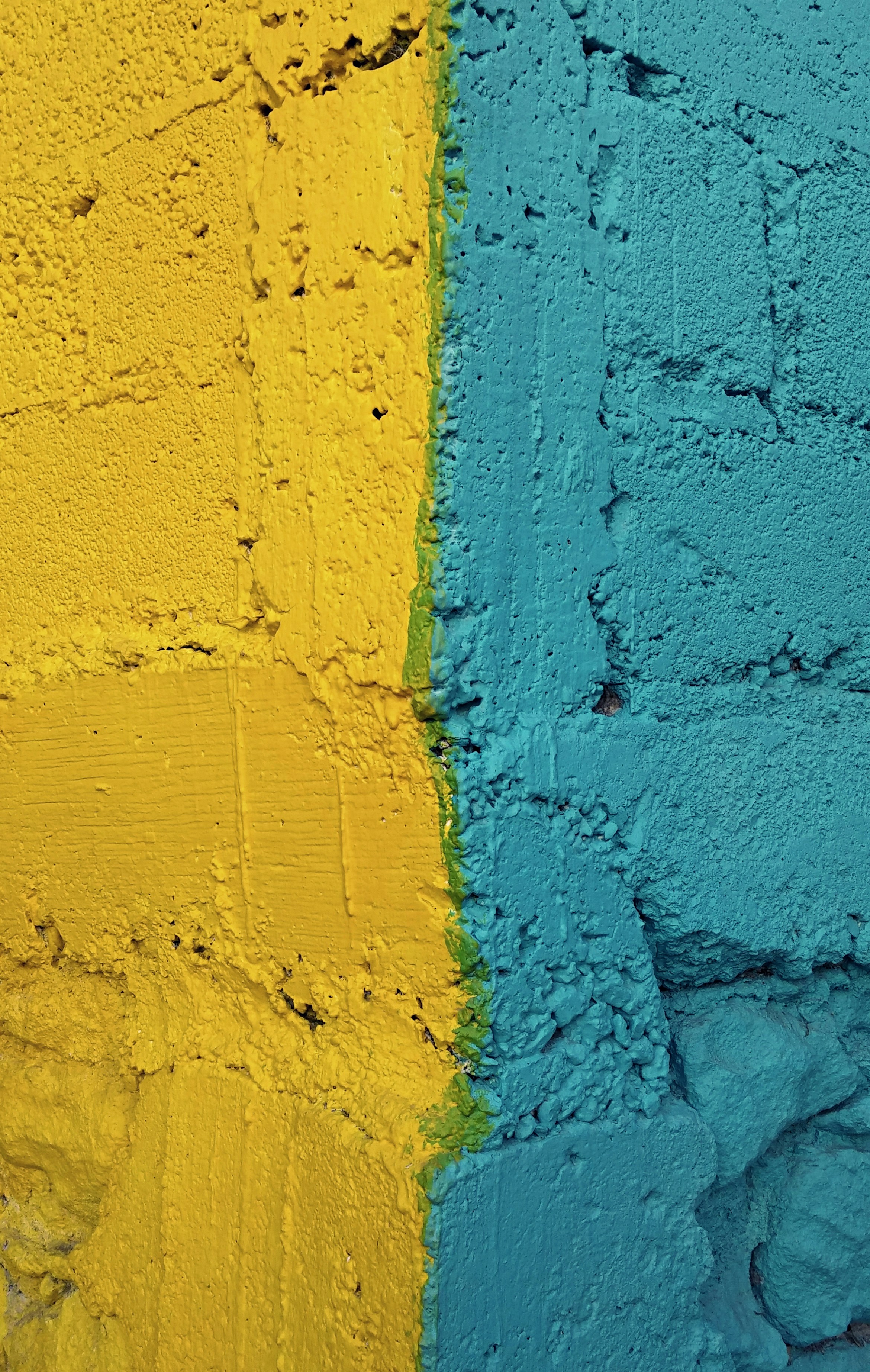
Introduction to Accent Walls
Accent walls are a popular interior design technique that utilizes color, texture, or patterns to create a focal point within a room. This design strategy allows homeowners and decorators to inject personality and visual interest into otherwise plain spaces. An accent wall, typically one wall in a room that stands out from the others, serves to draw attention and can enhance the overall aesthetic of the space.
The primary purpose of an accent wall is to break the monotony of traditional wall designs by introducing a distinctive element that complements the room’s decor. By contrasting with the other walls, an accent wall can highlight specific features of the room, such as architectural details, artwork, or furniture. For instance, a bold color can energize a living area, while a textured wall may add depth and sophistication to a bedroom, redefining its ambiance.
Accent walls also provide an opportunity for creative expression, allowing individuals to experiment with various design elements without a complete overhaul of their interiors. Whether the choice is a striking hue, an eye-catching pattern, or a tactile surface, the implementation of an accent wall can significantly transform the character of a space. This flexibility makes them particularly appealing to do-it-yourself enthusiasts and those looking to refresh their environments without extensive renovations.
As we delve into the world of DIY accent wall projects, we will explore bold colors, textures, and patterns that can elevate your home’s design. With countless possibilities, the creation of an accent wall can be both a fulfilling project and a way to infuse new life into your living spaces.
Choosing the Right Wall for an Accent
When it comes to creating an accent wall, the selection of the right wall is critical to achieving the desired visual impact while ensuring balance within the overall room design. The first factor to consider is wall visibility. A wall that is frequently viewed, such as the one directly facing the entrance of a room, often makes for the most effective accent wall. This visibility not only draws attention but also helps in establishing a focal point that can anchor the room’s design.
The size of the wall is another important consideration. A large wall provides an opportunity for bold colors or intricate patterns to shine, offering a stunning backdrop. Conversely, a smaller wall may benefit from a subtler approach, using textures or lighter hues that can add depth without overpowering the space. It is vital to assess the proportions of the room and choose a wall that complements the dimensions, ensuring that the accent does not overwhelm the existing decor.
Furthermore, the purpose of the room plays a significant role in wall selection. In living areas, vibrant hues or dramatic patterns can create a lively atmosphere, while in bedrooms, softer tones may instill tranquility. Identifying how the room will be used informs the decision, guiding the choice of colors and textures that are appropriate for the ambiance you wish to foster. Additionally, considering the room’s existing color palette can aid in a cohesive design, allowing the accent wall to harmonize with the surrounding elements.
In conclusion, choosing the right wall for an accent requires careful thought regarding visibility, size, and the purpose of the room. By assessing these factors, you can effectively create an accent wall that not only stands out but also enhances the overall aesthetic of your space.
The Power of Bold Colors
When embarking on a home renovation or decor project, the selection of color plays a pivotal role in shaping the ambiance of the space. Bold colors possess the remarkable ability to transform any room into a lively, invigorating, and stimulating environment. The psychology of color suggests that hues can evoke specific emotions and influence our behaviors. For instance, vibrant red can ignite passion and energy, while deep blue tends to promote calmness and serenity. Understanding color theory is essential for creating a balanced and aesthetically pleasing accent wall.
Choosing the right bold hue for your accent wall requires careful consideration of both personal preference and the intended atmosphere. Start by evaluating the room’s function; for example, a cozy den may benefit from warm, earthy tones, while a home office might call for cooler shades that foster concentration. Testing paint samples in various lighting conditions can also help determine how a color will look in different settings throughout the day.
Complementary colors—those located opposite each other on the color wheel—can create a striking contrast that draws focus to the accent wall. For example, a rich yellow can harmonize beautifully with a deep purple, adding depth and intrigue to the design. Alternatively, analogous colors, which sit adjacent to each other, can produce a more subtle and cohesive effect. Combining a bold color with neutral shades can also help to ground the space, ensuring the accent wall becomes a focal point rather than an overwhelming feature.
In essence, understanding the impact of bold colors and their psychological implications can significantly enhance your interior design efforts. By carefully selecting colors and their combinations, you can create a fashionable accent wall that embodies your style while cultivating a harmonious environment.
Textures that Captivate
In the realm of interior design, textures play a crucial role in creating accent walls that are not only visually appealing but also engaging. By incorporating a variety of textures, homeowners can enhance the overall ambiance of a room while introducing depth and personality. One popular option for achieving this effect is wood paneling. Available in various styles and finishes, wood can bring warmth and a rustic charm to any space. Whether you choose reclaimed barn wood for a vintage aesthetic or sleek, modern planks for a contemporary twist, wood paneling serves as a versatile choice for accent walls.
Textured paints also offer a unique way to add interest to your accent wall. These paints often contain additives that create dimension, allowing for finishes that resemble everything from stucco to sand. They can be applied with brushes or sponges to achieve desired effects, making them a suitable option for those who enjoy DIY projects. Additionally, textured paints are available in a range of colors, enabling you to choose hues that perfectly align with your design vision.
Another alternative worth considering is fabric coverings. Utilizing textiles, such as upholstery or wallpaper with fabric-like textures, can soften the space and create a cozy atmosphere. Options range from rich velvets to textured linens, each providing different tactile qualities that can transform the wall into a work of art. Incorporating fabric also allows for easy updates, as changing or refreshing fabric coverings can quickly alter the room’s mood.
When selecting textures for your accent wall, keep in mind the overall style and design of your home. A mix of materials, such as blending wood with textured paint or fabrics, can create a captivating visual narrative. The art of layering various textures not only enhances the aesthetic appeal but also invites exploration and interaction within the space.
Patterns: Adding Depth and Dynamics
Incorporating patterns into accent walls can transform a mundane space into a vibrant and dynamic environment. Patterns possess the unique ability to add complexity and depth, enhancing the overall ambiance of a room. Various types of patterns can be utilized, including geometric shapes, floral designs, and stripes, each bringing its own personality and style to the area.
Geometric patterns, characterized by their clean lines and symmetrical shapes, are particularly effective in modern interiors. They can create a sense of order and structure, making them a popular choice for contemporary homes. In contrast, floral patterns can inject a sense of warmth and nostalgia, often used in more traditional settings or to evoke a cozy atmosphere. Stripes, on the other hand, are versatile and can be employed to create illusions of height or width, depending on their direction and thickness.
When applying these patterns, homeowners have various options available, including paint, wallpaper, or decals. Paint allows for a more customized approach, where patterns can be hand-painted or stenciled directly onto the wall. This method is particularly appealing for those seeking a distinctive look tailored to their taste. Wallpaper provides a quick and effective way to introduce patterns, and it comes in an extensive range of designs, materials, and textures to choose from. For those preferring a less permanent solution, decals present an easy-to-apply alternative that can be repositioned as desired.
Additionally, it is crucial to consider the scale of the patterns in relation to the wall size. Larger patterns can overwhelm smaller walls, while smaller patterns may get lost in larger spaces. Striking a balance by selecting appropriate patterns ensures that they complement rather than detract from the room’s other elements. By thoughtfully integrating patterns into accent walls, one can create captivating focal points that enhance the charm of any interior space.
Techniques for DIY Accent Walls
Creating an accent wall in your home can dramatically transform the ambiance of any room and allow for a personal touch. To successfully execute this project, it is essential to understand the various techniques available, as well as the necessary tools and materials.
One popular method is painting. For this, you will require high-quality paint, painter’s tape, brushes, and rollers. Begin by preparing the wall; clean the surface with soap and water, allowing it to dry completely. Lay down a drop cloth to catch any paint spills. Use painter’s tape to cover edges and ensure sharp lines. Apply a coat of primer if you’re making a significant color change, as this can improve adhesion and coverage. Once the primer is dry, proceed to apply your chosen bold color using a roller for large areas and a brush for edges.
Another technique involves stenciling. This method offers more intricate designs without the complexity of wallpaper. To stencil an accent wall, you’ll need a stencil, paint, and a sponge or brush. After painting the base coat, position the stencil on the wall. Use a sponge to dab paint onto the stencil, ensuring you don’t apply too much to avoid bleeding under the edges. Carefully lift the stencil, reposition, and repeat until the desired pattern is complete.
If wallpaper or paneling interests you, preparation is paramount. Choose wallpapers with bold patterns that fit your decor style. Measure your wall accurately and cut the wallpaper according to the measurements. Begin by applying adhesive to the wall or the wallpaper backing, following the manufacturer’s instructions. Line up the first panel carefully, smoothing out any bubbles as you go. For paneling, secure each piece to the wall using nails or adhesive, ensuring they are evenly spaced and properly aligned.
It is crucial to observe safety practices during these projects. Always wear protective gear, such as goggles and masks, especially when sanding walls or using solvent-based products. Proper ventilation is also important to avoid inhaling fumes. Careful preparation and execution will lead to a successful DIY accent wall that enhances the aesthetic appeal of your space.
Incorporating Accessories and Décor
When it comes to accent walls, the incorporation of accessories and décor can significantly enhance the overall aesthetic and provide a cohesive look to the space. Thoughtful selections can transform an eye-catching wall into a focal point that resonates throughout the room. One effective method is to frame artwork that echoes the bold color or pattern of your accent wall. This not only draws attention to the wall but also enriches the decor with personal touches.
For those looking to add depth and dimension, shelving is an excellent option. Floating shelves or wall-mounted units can be adorned with various decorative elements such as potted plants, vases, or books that harmonize with the color palette. These accessories bring an inviting atmosphere while simultaneously highlighting the unique features of the accent wall. When choosing shelving, it is essential to opt for materials and colors that complement the textures present in the wall design, ensuring a seamless appearance.
Another powerful accessory is the mirror. Mirrors can amplify light and space, enhancing the effect of bold wall colors. Strategically placing a mirror opposite a window can create a dynamic visual interplay, reflecting both natural light and the vibrant hues of the accent wall. Whether opting for a modern, geometric mirror or a vintage-framed piece, the choice should align with the overall theme of the room.
When selecting accessories, consider utilizing textures that resonate with the accent wall. For example, if the wall features a matte paint finish, integrating glossy finishes in accessories might create a beautiful contrast. Balance is key; strive to incorporate a variety of shapes, sizes, and materials that will harmonize with the bold elements of the accent wall. By carefully curating your décor choices, you can achieve an elegant and cohesive look that enhances your space beautifully.
Maintenance and Care for Your Accent Wall
Creating an accent wall can significantly enhance the appeal of any room, but maintaining its vibrant appearance over time is crucial. Regular care and maintenance not only preserve the wall’s aesthetic qualities, but also ensure its longevity. One of the primary steps in maintaining an accent wall involves routine cleaning. Depending on the material and finish you have chosen, a simple dusting with a soft cloth or a gentle wipe with a damp sponge can prevent the accumulation of dirt and grime. For walls painted with bold colors, using a mild detergent can help remove stains without damaging the paint.
Touch-ups are another essential aspect of accent wall maintenance. Over time, even well-protected walls may suffer from minor scratches or chips. Keeping an extra sample of the paint, or its equivalent, for touch-ups can be invaluable. Applying a small amount of paint with a fine brush can seamlessly blend imperfections back into the wall. Additionally, ensure to follow the manufacturer’s recommendations regarding drying times and layers for the best results.
Protecting your accent wall from damage is equally important. Using furniture or decor that is less likely to scratch or scuff the wall can help maintain its appearance. For example, wall-mounted shelving can keep decorative items off the floor and away from potential nicks. Additionally, consider applying a clear sealant for textured surfaces, which can provide an extra layer of protection against accidental marks.
In conclusion, caring for an accent wall through regular cleaning, timely touch-ups, and appropriate protective measures is essential for preserving its bold character and ensuring it remains a stunning focal point in your space. By investing time in its maintenance, you can enjoy the beauty of your accent wall for years to come.
Inspiration and Case Studies
The concept of accent walls has captured the imagination of homeowners looking to infuse personality and character into their spaces. By utilizing bold colors, various textures, and unique patterns, an accent wall can transform a room from ordinary to extraordinary. A selection of inspiring designs serves as valuable case studies that can motivate individuals considering their own DIY projects.
One notable example comes from a suburban home where the owners chose a deep navy blue for their living room accent wall. This choice not only provided a striking contrast to their neutral furnishings but also created a cozy atmosphere. The homeowners shared that their primary motivation was to enhance the visual appeal of an otherwise bland space. They reported that the wall became a focal point for their gatherings, resulting in an inviting ambiance that friends and family greatly admired.
Another case study features a chaotic family nursery that was revamped with playful wallpaper patterns. The parents selected whimsical designs featuring animals and trees, bringing a sense of joy and adventure to the children’s environment. Their collaboration with a local artist added a unique touch, demonstrating how artistic flair combined with DIY practices can yield delightful results. The feedback from both parents and kids was overwhelmingly positive, confirming the emotional impact of a well-designed accent wall.
In a contrasting style, an industrial loft embraced a more minimalist approach with a single accent wall covered in reclaimed wood. This choice not only highlighted the home’s architectural features but also connected the interior with an earthy aesthetic. Homeowners expressed that the subtle texture of the wood added warmth and depth to the expansive space, making it feel more cohesive. Each case study offers a glimpse into the potential transformations accent walls can bring, inspiring others to embark on their creative endeavors.