
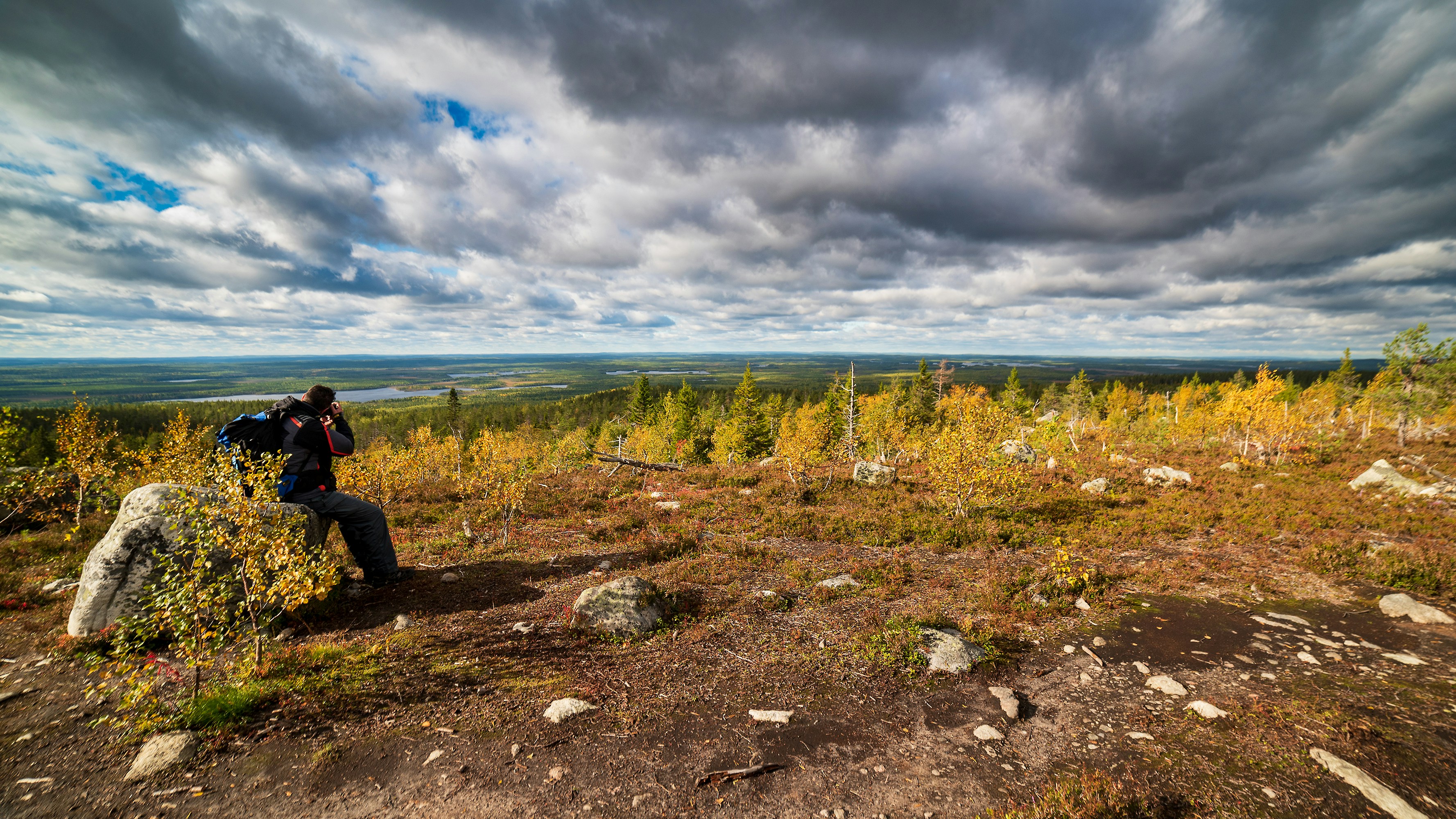
Understanding the Basics of Travel Photography
Travel photography is an art form that requires a sound understanding of its fundamental principles to effectively capture the beauty and essence of diverse landscapes. At the core of successful travel photography lies the concept of composition. This refers to how various elements in a photograph are arranged to create a balanced and visually appealing image. Utilizing techniques such as the rule of thirds, leading lines, and framing can significantly enhance the composition of your photographs, drawing the viewer’s eye to focal points and providing a sense of depth.
Equally important is the mastery of lighting, which plays a crucial role in shaping the mood and atmosphere of your images. The golden hour—the time just after sunrise and before sunset—offers soft, warm light that can accentuate colors and textures, making it an ideal time for outdoor photography. Understanding the effects of natural and artificial light allows photographers to create images that convey emotions and highlight the unique characteristics of a place.
Perspective is another key aspect of travel photography, as the angle and viewpoint from which a photograph is taken can dramatically alter its impact. Experimenting with different heights, distances, and orientations can lead to unique and compelling images. Additionally, having a comprehensive understanding of your equipment is essential for capturing the best possible shots. Familiarity with your camera settings, such as shutter speed, aperture, and ISO, enables photographers to adapt to varying lighting conditions and achieve desired results.
Finally, knowing the focal lengths and capabilities of your lenses will help in choosing the appropriate lens for each scenario, whether it is for sweeping wide-angle landscape shots or detailed close-ups of local fauna. By integrating these fundamental principles, photographers can create stunning travel images that encapsulate the spirit of the locations they explore.
Selecting the Right Time to Shoot
Timing plays a crucial role in landscape photography, as it can significantly influence the quality of the captured image. One of the most effective strategies is to take advantage of the golden and blue hours, which are known for their unique light conditions. The golden hour occurs shortly after sunrise and just before sunset, providing a warm, diffused light that enhances the colors and textures in landscapes. Photographers often find that this soft illumination accentuates features such as the contours of hills, the ripples of water, and the intricacies of foliage, resulting in images that are infused with depth and warmth.
Conversely, the blue hour takes place during the twilight period before sunrise and after sunset, when the sky transforms into various shades of blue. This time is ideal for creating moody and ethereal photographs, where shadows and colors can blend beautifully. During this period, artificial lights in urban landscapes can contrast against the deepening blue sky, producing captivating compositions that draw the viewer in.
Planning your shoots around these times is essential for achieving the best results. Utilizing tools such as weather apps and sunrise/sunset calculators can help photographers determine the optimal times for their specific locations. Moreover, scouting the area beforehand can aid in identifying the best vantage points for capturing the landscape during these magical hours. Furthermore, arriving early and allowing time for setup ensures you are ready to commence shooting as the light begins to change. In doing so, you enhance the likelihood of obtaining stunning landscape photographs that capture both the beauty of the area and the mood of the moment.
Finding the Perfect Location
When it comes to travel photography, identifying the right landscapes can significantly influence the quality of captured images. The first step in recognizing stunning locations is thorough research. Utilize various resources such as online maps, travel websites, photography blogs, and social media platforms to gather insights. Websites like Google Maps can be instrumental, allowing you to zoom into specific areas, enabling you to pinpoint not only popular sites but also those lesser-known landscapes that may surprise you.
In addition to maps, engaging with local communities proves invaluable. Locals often possess unseen knowledge of their area, such as hidden trails, unmarked viewpoints, or seasonal conditions that transform certain locations. Forums and community groups on social media are excellent ways to connect with local photographers who can offer firsthand advice. For instance, discovering the best times of day to photograph a landscape can enhance the quality of your images immensely due to the favorable light conditions.
Modern technology can further assist the search for picturesque locales. A variety of mobile applications, such as PhotoPills and The Photographer’s Ephemeris, provide essential data on sunlight, weather, and time of day for various locations. These applications help you plan shoots effectively, ensuring you are prepared to capture landscapes under optimal lighting conditions. When scouting areas, it is advisable to visit during different times of the day and in varying weather to understand how these elements affect the landscape’s appearance.
Ultimately, finding the perfect location for landscape photography combines extensive research, local insights, and the aid of technology. Taking the time to explore various avenues not only increases your chances of discovering stunning settings but also enriches your experience as a travel photographer.
Utilizing Composition Techniques
Effective composition is a fundamental aspect of travel photography, as it significantly impacts how landscapes are portrayed in images. One widely recognized method is the rule of thirds, which involves dividing the frame into nine equal parts using two vertical and two horizontal lines. By positioning key elements along these lines or at their intersections, photographers can create more dynamic and balanced compositions. For instance, placing a horizon line along the top third of the frame often yields a more engaging image than centering it.
Another valuable technique is the use of leading lines, which naturally guide the viewer’s eye through the photograph. Examples of leading lines include roads, rivers, or pathways that draw attention toward the subject or background. This technique not only helps in creating depth but also enhances the overall storytelling aspect of the travel photograph, encouraging viewers to explore the entire scenery instead of focusing on a single element.
Framing is yet another composition technique that can enhance landscape photography. This involves using natural elements, such as trees, arches, or buildings, to create a ‘frame within a frame’ effect. By framing your subject, you can add context and create layers in your photographs, which often result in more captivating imagery. Similarly, symmetry can be employed to create pleasing and harmonious views. When landscapes feature symmetrical elements, such as reflections in water or perfectly balanced mountains, capturing them symmetrically can elevate the visual appeal of the image.
By implementing these composition techniques—rule of thirds, leading lines, framing, and symmetry—photographers can significantly enhance their travel images, making them more engaging and visually artsy. Mastering these methods requires practice and experimentation, but the resulting photographs will surely reflect the beauty and intricacy of the landscapes explored.
Incorporating Foreground Interest
When it comes to landscape photography, incorporating foreground interest is a crucial technique that can significantly enhance the visual depth and storytelling of an image. Foreground elements act as a natural frame, drawing the viewer’s eye into the photograph, while also adding context and scale to the scene. This can transform an otherwise flat landscape into a compelling image that captures the viewer’s attention.
To effectively incorporate foreground interest into your travel photography, begin by scanning your surroundings for natural elements that can enhance the composition. Common foreground elements include rocks, flowers, trees, or water features that lead the viewer’s gaze toward the background or the main subject of the photograph. For example, a winding path lined with wildflowers can create a stunning entry point into a panoramic view, guiding the observer’s eye deeper into the landscape.
Another important consideration is the placement of these elements within the frame. To achieve a balanced composition, aim to position your foreground subject according to the rule of thirds. This can create a dynamic contrast between the foreground and the vastness of the background, while also maintaining visual interest. Additionally, consider varying the focal depth; a sharp foreground against a softer background can evoke a sense of depth, making the landscape more immersive to the viewer.
Also, take advantage of lighting conditions by shooting during the golden hour, when the sun casts a warm glow on foreground elements, enhancing texture and color. Utilize a wide-angle lens to capture both the foreground and the expansive background effectively, making sure your subject is not overwhelmed by far-off landscape details. By thoughtfully incorporating foreground interest, your travel photography will be imbued with richness and context, resulting in stunning images that resonate with viewers.
Mastering Camera Settings
When it comes to landscape photography, understanding and mastering your camera settings is crucial for capturing stunning images. Key settings include aperture, shutter speed, and ISO, each playing a vital role in determining the overall quality of your photographs. The right combination of these settings enables photographers to control exposure, depth of field, and motion blur, making all the difference in how a landscape is portrayed.
Aperture controls the depth of field, which is essential in landscape photography for achieving sharpness across the scene. A smaller aperture, such as f/16 or f/22, is commonly used to keep both the foreground and background in focus. However, it is important to consider that extremely small apertures can introduce diffraction, slightly reducing image sharpness. Thus, an ideal aperture might be f/8 to f/11, offering a balance between depth of field and sharpness.
Shutter speed is another critical setting, affecting how movement is captured in your landscape shot. When shooting landscapes, a slower shutter speed is often preferable, especially for water features like rivers or waterfalls. This technique creates a smooth, silky effect, illustrating movement and giving life to the scene. However, a faster shutter speed may be required on windy days to avoid motion blur from moving elements such as trees or grass.
ISO influences the camera’s sensitivity to light. In bright daylight conditions, a lower ISO (100-200) is adequate, ensuring minimal noise in the final image. Conversely, in low-light situations like dawn or dusk, increasing the ISO (to around 400 or higher) can help achieve the correct exposure, although care should be taken to avoid excessive noise that can detract from image quality. Understanding how to balance these settings is crucial for any photographer aiming to capture breathtaking landscapes in varied lighting conditions.
Editing Your Landscape Photos
Editing landscape photos is a crucial step in elevating your overall travel photography. Software like Adobe Lightroom and Photoshop offers powerful tools designed to help photographers enhance their images significantly. When starting with post-processing, it is important to focus on three main aspects: color correction, exposure adjustments, and cropping for optimal composition.
Color correction is essential in landscape photography, as it allows you to adjust the hues in your images to resemble the scene more accurately. One effective technique is to utilize the white balance tool to neutralize any unwanted color casts, thus ensuring that the sky appears as vibrant blue or the grass showcases its rich green tones. Utilizing adjustments like vibrance and saturation can help in accentuating the natural colors of the landscape, making the scene visually appealing without overdoing it.
Exposure adjustments play a critical role as well, particularly if the original photo has overexposed or underexposed areas. The histogram guides you in determining the tonal range of your photograph. Ensure that you utilize exposure sliders to recover lost details in highlights and shadows. This step is vital in maintaining a balanced and well-defined landscape image. Increasing contrast can also enhance the visual interest by emphasizing the differences between various elements in your landscape.
Lastly, cropping your image is a key part of the editing process. It helps improve the composition by guiding the viewer’s eye to the main subject. When framing your shot, consider the rule of thirds; placing key elements along the imagined grid lines can create a more compelling image. Proper cropping can result in a cleaner and more focused representation of the landscape, ensuring that the viewer’s attention is directed appropriately.
In summary, mastering the basics of editing landscape photos using software like Lightroom and Photoshop can dramatically enhance your travel photography. By focusing on color correction, exposure adjustments, and strategic cropping, you can transform your images into stunning representations of the beautiful locations you visit.
Staying Safe and Respecting Nature
When embarking on a travel photography adventure, especially in remote or challenging terrains, safety should be a top priority. Photographers often venture into breathtaking locations that may pose various risks, such as unstable ground, extreme weather conditions, or wildlife encounters. To mitigate these dangers, it is essential to conduct thorough research about the area, understanding the terrain and the accessibility of various sites. Always carry appropriate gear, including sturdy footwear, a reliable map or GPS device, and a first aid kit. Additionally, informing someone about your travel plans and expected return time can be crucial for personal safety.
Furthermore, it’s advisable to consider the timing of your excursions. Early mornings or late afternoons are often the best for capturing stunning landscapes, but be wary of visibility challenges due to fading light. Always evaluate your physical fitness and comfort level with the environment before embarking on your photography journey. If an area feels too treacherous or off-limits, it is wise to rethink your approach, as personal safety should never be compromised for the sake of an ideal shot.
As a photographer, it is equally important to respect nature and minimize your impact on the environment. Ethical practices such as following established trails, avoiding disturbing wildlife, and adhering to local regulations contribute to the preservation of the natural beauty you seek to capture. Photographers should also be mindful of their presence in pristine locations, ensuring that they leave no trace behind. This respectful approach helps to maintain the integrity of ecosystems and promotes a sustainable relationship with nature. By prioritizing safety and ethical considerations, photographers can enjoy their craft while being responsible stewards of the environment.
Sharing and Displaying Your Travel Photography
Sharing and displaying travel photography effectively is crucial for engaging an audience and showcasing your skills. In the age of digital media, social platforms such as Instagram, Facebook, and Pinterest offer vast opportunities for photographers to share their work with a global audience. Each platform has unique features and demographics, making it essential to tailor your content accordingly. For instance, high-resolution images tend to perform well on Instagram, while detailed narratives can thrive on Facebook. Utilizing relevant hashtags and engaging with followers through comments and stories can also help enhance your visibility.
In addition to social media, creating a photography blog can be an excellent method for displaying your work. A personal blog allows you to share not only your photographs but also the stories behind them, providing context that can enrich the viewer’s experience. You can incorporate tips about the locations, the photographic techniques you used, or the challenges faced, thus creating a more immersive narrative. Building a cohesive style for your blog, including a signature layout and consistent image editing, can also contribute to a more professional presentation.
Exhibitions and galleries represent another avenue for showcasing your travel photography. Participating in local art shows or submitting your work to galleries for review can lead to valuable exposure and networking opportunities within the art community. Whether displaying prints or digital slideshows, these environments allow for direct interaction with viewers, providing immediate feedback about your work. Consider curating a portfolio that reflects your strongest pieces, combined with a well-designed presentation to attract the attention of potential curators or collectors.
Ultimately, successfully sharing and displaying your travel photography lies in a combination of leveraging social media, maintaining a blog, and participating in exhibitions. By creating an engaging portfolio and being active in the community, you can build an audience that appreciates your unique perspective and artistic vision.