
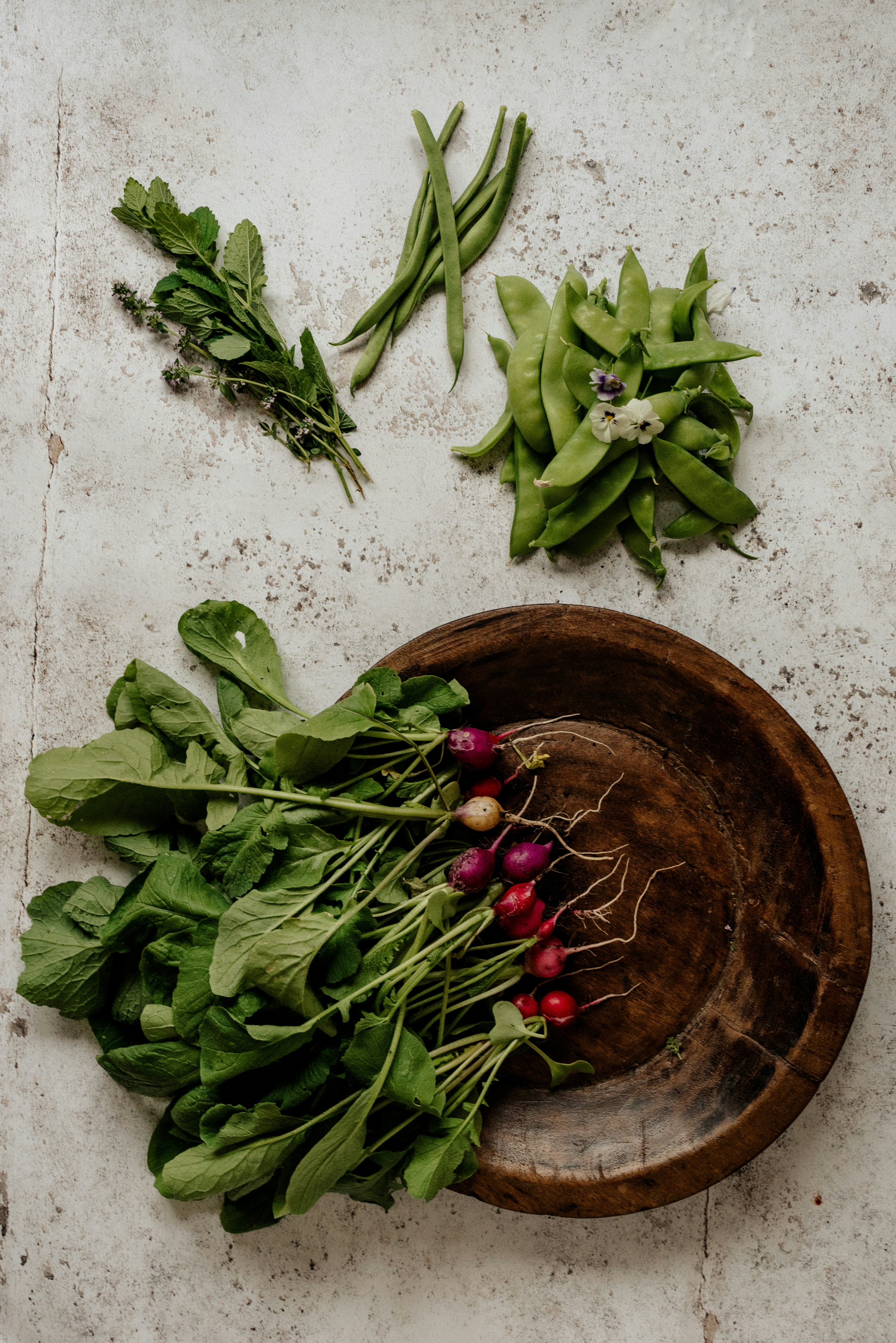
Introduction to Seasonal Eating
Seasonal eating is the practice of consuming fruits, vegetables, and other foods that are harvested during their peak seasons. This approach not only enhances the flavors and nutritional value of meals but also promotes sustainability within our food systems. By focusing on what is in season, individuals can enjoy produce at its most flavorful and nutritious state, ensuring that they receive the maximum benefits from their diet.
One significant advantage of seasonal eating lies in the nutritional impact of fruits and vegetables. When produce is allowed to ripen naturally in its season, it tends to offer superior nutrition compared to products that are out of season and may require artificial ripening. For instance, seasonal fruits are often rich in antioxidants, vitamins, and minerals, which are essential for a healthy and balanced diet.
Furthermore, seasonal eating supports local farmers and reduces the carbon footprint associated with transporting out-of-season produce over long distances. When consumers prioritize food that is grown locally and within the season, they not only contribute to the local economy but also minimize the environmental impact linked to food production and distribution. This practice fosters a stronger connection between consumers and their food sources, encouraging a more sustainable food culture.
Additionally, seasonal eating encourages variety in the diet, allowing individuals to explore a wide array of flavors, textures, and cooking methods throughout the year. As different fruits and vegetables come into season, they inspire new culinary creations and help to break the monotony of the same food choices. Embracing this concept can therefore lead to greater enjoyment and satisfaction in one’s diet.
Benefits of Eating Seasonally in Spring
Eating seasonally in spring offers a multitude of benefits that can enhance both personal well-being and environmental sustainability. One of the most prominent advantages is the improved freshness associated with consuming produce that is in season. Fruits and vegetables harvested during their peak time are often richer in flavor and nutrients, translating to better taste and higher nutritional value. For instance, spring vegetables like asparagus and peas, as well as fruits such as strawberries, are known for their fresh, vibrant flavors that can significantly elevate various dishes.
Cost-effectiveness is another significant benefit of eating seasonally in spring. When produce is in peak season, supply typically increases, which can lead to lower prices at local farmers’ markets and grocery stores. This availability not only makes it more affordable for individuals and families to incorporate fresh foods into their diets but also helps stimulate local economies by supporting local farmers and reducing reliance on imported goods.
Moreover, seasonal eating is inherently linked to environmental sustainability. When consumers choose to buy local, in-season produce, there is a reduced carbon footprint due to minimized transportation and storage requirements. This conscious choice promotes eco-friendliness and aligns with broader sustainability goals. Additionally, spring produce tends to be grown in alignment with nature’s rhythm, utilizing natural growing cycles that require less artificial intervention, which can be beneficial for soil health and biodiversity.
Furthermore, consuming fresh, seasonal foods during spring can positively influence mood and energy levels. Many spring vegetables and fruits are rich in vitamins and antioxidants that contribute to overall health. For example, greens such as spinach and kale, along with berries, provide essential nutrients that can enhance mental clarity and boost energy, making them excellent choices for those looking to refresh their diets as the seasons change.
Top Spring Vegetables to Incorporate
Spring heralds a vibrant array of vegetables that not only enhance flavors but also contribute significantly to a healthy diet. Among the most notable spring vegetables are asparagus, peas, radishes, and artichokes, each offering unique health benefits and culinary possibilities.
Asparagus, a quintessential spring vegetable, is rich in vitamins A, C, E, and K. It also contains essential folate and fiber, promoting digestive health while helping to lower blood pressure. Its delicate, earthy flavor makes it an excellent addition to various dishes. It can be roasted, grilled, or steamed and pairs well with lemon and garlic, enhancing its natural taste. For a simple yet delightful preparation, consider sautéing asparagus with olive oil and a sprinkle of salt.
Another delightful spring vegetable is the sweet pea. Not only are they deliciously sweet, but peas are also high in protein and fiber, contributing to satiety and overall nutrition. They are best enjoyed fresh and can be eaten raw, added to salads, or cooked in stir-fries. Incorporating peas into your meals can bring a fresh and vibrant color to your plate.
Radishes, with their crisp texture and peppery flavor, are often underappreciated. They are low in calories and high in vitamin C, making them a smart choice for health-conscious individuals. Their crunch can add contrast to various dishes, whether enjoyed raw in salads, pickled, or roasted. A light honey and balsamic glaze can elevate radishes when roasted, turning them into a delightful side dish.
Lastly, artichokes are a spring delicacy worth including in your diet. They are packed with antioxidants, vitamins, and minerals, providing various health benefits, including improved liver health and enhanced digestion. Artichokes can be steamed, grilled, or stuffed, serving as a captivating appetizer or a gourmet side dish. The unique, nutty flavor of artichokes can be accentuated with lemon and herbs, providing a delectable experience with each bite.
Incorporating these spring vegetables into your meals not only enhances flavor but also significantly contributes to a balanced diet. By exploring various preparation methods, you can relish the seasonal bounty while reaping their numerous health benefits.
Must-Have Spring Fruits
Spring heralds a delightful array of fruits that are not only delicious but also packed with essential nutrients. Among these, strawberries, cherries, rhubarb, and apricots stand out for their unique flavors and health benefits. Each of these fruits reaches its peak during the spring months, offering seasonal enjoyment for those seeking to incorporate fresh produce into their diet.
Strawberries, typically available from late March through June, are rich in vitamins C and K, as well as dietary fiber. Their sweet flavor combined with a hint of tartness makes them a versatile ingredient, ideal for fresh salads, desserts, or as a topping for yogurt. The antioxidants found in strawberries contribute to heart health and may support skin health as well.
Cherry season begins in late spring, with varieties like Bing and Rainier being the most sought after. These vibrant fruits are not only juicy and sweet but also provide an excellent source of vitamins A and C, potassium, and antioxidants known to reduce inflammation. Enjoy cherries fresh as a snack, or incorporate them into baked goods and sauces for a burst of flavor.
Rhubarb, though botanically classified as a vegetable, is often treated as a fruit in culinary applications. This tart stalk is typically available from April through June and is a good source of vitamin K and antioxidants. Rhubarb’s tangy taste makes it a fabulous addition to pies, jams, and compotes, pairing well with strawberries for a classic spring dessert.
Lastly, apricots, available from May until July, are slightly tart and packed with vitamins A and C, contributing to eye health and immune function. These fruits are great fresh or dried, and they can be used in salads, salsas, and even in savory dishes to enhance their flavor profile.
Tips for Choosing Fresh Produce
When it comes to selecting fresh produce during the spring season, several key factors can help you make informed choices at farmers’ markets or grocery stores. Understanding the signs of freshness is crucial to ensuring the quality and flavor of your fruits and vegetables. First and foremost, examine the color of the produce. Bright, vibrant colors typically indicate ripeness and freshness, while muted or dull colors may suggest that the item is past its prime.
Texture plays a significant role as well. For instance, when selecting leafy greens, look for crisp and turgid leaves, avoiding any that appear wilted or yellowing. Similarly, fruits like strawberries should be firm to the touch, while peaches should yield slightly when gently pressed, indicating they are perfectly ripe. When selecting items such as tomatoes, be cautious; they need to be free of bruises or blemishes to ensure the best eating experience.
Sustainable sourcing is another important consideration while choosing fresh produce. Whenever possible, opt for organically grown fruits and vegetables, as they are less likely to contain harmful pesticides and are typically more flavorful. Additionally, purchasing from local farmers’ markets not only supports local agriculture but also often provides you with fresher produce, harvested just prior to sale. Ask vendors about their growing practices to make informed and ethical choices.
Furthermore, understanding the difference between ripe, underripe, and overripe items can enhance your culinary experiences. For example, a ripe avocado should give slightly under pressure, while an underripe one will feel hard. On the contrary, an overripe avocado often has soft spots and may be brown inside. Being aware of the signs can help you choose produce that meets your immediate needs or can last for a longer duration in storage. By following these practical tips, you’ll be well-equipped to choose the freshest spring produce for your meals.
Storage Techniques for Seasonal Produce
Ensuring that seasonal produce remains fresh and flavorful requires understanding appropriate storage techniques. First and foremost, refrigeration plays a vital role in prolonging the freshness of various fruits and vegetables. For instance, leafy greens such as spinach and kale are best stored in the refrigerator, ideally wrapped in a damp paper towel and placed inside a perforated plastic bag. This method helps maintain humidity while allowing adequate airflow, preventing the greens from wilting prematurely.
Conversely, certain fruits and vegetables, such as tomatoes and avocados, should be kept at room temperature until they reach their peak ripeness. Once ripened, these items can be moved to the refrigerator to extend their shelf life. It’s essential to handle produce gently to avoid bruising, which can accelerate spoilage. Always wash your hands before handling fresh produce and ensure that all utensils and cutting boards are clean to prevent cross-contamination.
Innovative storage solutions can also enhance the longevity of seasonal produce. For example, employing breathable storage containers allows airflow while holding in moisture. Investing in vacuum-sealed bags or containers can significantly extend the life of produce by removing air and preventing spoilage. Additionally, herbs like basil and parsley can be stored upright in water, similar to flowers, providing them with a fresh supply of hydration and nutrients.
To maximize the nutritional quality and flavor of seasonal produce, consider organizing your refrigerator. Keep fruits and vegetables in separate crisper drawers, as certain ethylene-producing fruits can cause nearby vegetables to spoil faster. Regularly checking your produce for ripeness and promptly consuming those nearing the end of their shelf life is also imperative. By implementing these effective storage techniques, one can enjoy the vibrant flavors of seasonal produce for a longer duration, enhancing your culinary experience.
Simple and Delicious Spring Recipes
As the days become longer and temperatures rise, spring offers an abundance of fresh and vibrant produce that can elevate any meal. Embracing these seasonal ingredients allows you to create simple yet delicious recipes that not only delight the palate but also celebrate the essence of spring. Here are three recipes featuring spring produce that are sure to inspire your culinary endeavors.
Asparagus Salad: This simple asparagus salad highlights the crispness of fresh asparagus, a quintessential spring vegetable. Begin by blanching trimmed asparagus in boiling water for 2-3 minutes until tender yet crisp. Drain and immediately plunge into an ice bath to preserve its vibrant green color. For the dressing, whisk together olive oil, lemon juice, salt, and pepper. Combine the cooled asparagus with cherry tomatoes, thinly sliced red onions, and a handful of arugula. Drizzle with the dressing and toss gently. Serve chilled or at room temperature for a refreshing dish that captures the spirit of the season.
Fresh Strawberry Dessert: Strawberries are in full bloom during spring, making them the perfect fruit for a light dessert. Prepare a strawberry shortcake by crushing ripe strawberries and mixing them with a tablespoon of sugar, allowing them to macerate for about 30 minutes. In the meantime, whip heavy cream with a touch of vanilla and sugar until soft peaks form. Assemble your dessert by splitting homemade or store-bought shortcakes and layering them with strawberries and whipped cream. This delightful dessert is not only visually appealing but also brimming with the sweet taste of spring.
Vibrant Vegetable Stir-Fry: To capitalize on the seasonal bounty, a vegetable stir-fry is an excellent choice for any mealtime. Start by sautéing garlic and ginger in a hot pan with a bit of oil. Next, add a medley of spring vegetables such as snap peas, bell peppers, and baby bok choy. Cook until the vegetables are tender-crisp and bright in color. For added flavor, toss in soy sauce and sesame oil, allowing the ingredients to meld together. Serve this colorful stir-fry over brown rice or quinoa for a nutritious and satisfying meal.
These recipes showcase the best of spring’s produce while also promoting straightforward cooking techniques. By using seasonal ingredients, you not only enhance the flavor of your dishes but also support local farmers and sustainable practices.
Meal Prep Ideas Using Spring Produce
Spring brings a vibrant array of seasonal produce, making it the perfect time to embrace meal prepping with fresh ingredients. Utilizing these seasonal fruits and vegetables not only enhances the flavor of your meals but also helps you maintain a nutritious diet. Here are some creative meal prep ideas that incorporate the best of spring produce.
One effective strategy is batch cooking. Prepare a variety of dishes featuring spring vegetables such as asparagus, peas, and radishes. Roast or steam these veggies and combine them with whole grains like quinoa or bulgur. This creates a nutritious base for various meals throughout the week. For added flavor, consider preparing a light vinaigrette or herb dressing that can be drizzled over different dishes, ensuring each serving feels unique.
Another practical idea is to create versatile salad mixes. Assemble a base of mixed greens or spinach and add chopped, seasonal ingredients such as strawberries, artichokes, and snap peas. You can store these salads in airtight containers for several days, making them a refreshing option for lunch or a side dish during dinner. To avoid soggy greens, keep dressings separate until you are ready to serve.
Freezing spring produce is also an excellent way to extend its shelf life. Consider blanching vegetables like green beans and then freezing them in portion-sized bags. This allows you to enjoy the taste of spring long after the season has passed. Fruits like rhubarb and strawberries can be washed, chopped, and frozen for future smoothies or desserts, ensuring that seasonal flavors are accessible year-round.
By incorporating these meal prep ideas into your routine, you can enjoy the deliciousness of spring produce while maintaining a healthy and efficient approach to cooking. This maximizes the use of seasonal ingredients, minimizing waste and enhancing your culinary experiences throughout the season.
Conclusion: Embracing Seasonal Foods Year-Round
Seasonal eating is a practice that offers numerous benefits, not only for personal health but also for the environment and local economies. By choosing to consume foods that are in season, individuals can enjoy produce at its peak flavor and nutritional value. This practice enhances the overall eating experience and encourages a diverse diet, allowing for a wider range of nutrients essential for well-being.
Throughout this guide, we have explored the rich offerings of spring produce, detailing the benefits, flavors, and versatile recipes that can be incorporated into daily meals. However, the journey towards seasonal eating should not end with spring. Each season presents a unique array of fruits and vegetables, rich in taste and texture, waiting to be discovered. As summer transitions into autumn and winter, new ingredients will appear, providing opportunities to expand culinary horizons and explore new recipes that highlight the best that each season has to offer.
By actively embracing seasonal foods year-round, individuals can support local farmers and reduce their carbon footprint associated with food transportation. Seasonal eating fosters a deeper connection with the food system, as diners become more aware of what is available and when. Therefore, the practice of seasonal eating is not merely a springtime trend, but rather a sustainable, lifelong approach to nutrition and cooking.
As you embark on this delicious journey, we encourage you to explore more seasonal produce guides and continue discovering various seasonal recipes. Embrace the variety, relish the flavors, and enjoy the health benefits that come from integrating the best local and seasonal foods into your diet—all year long.