
Unlocking Value: Exploring Tokenization Opportunities for Real-World Assets on the Blockchain
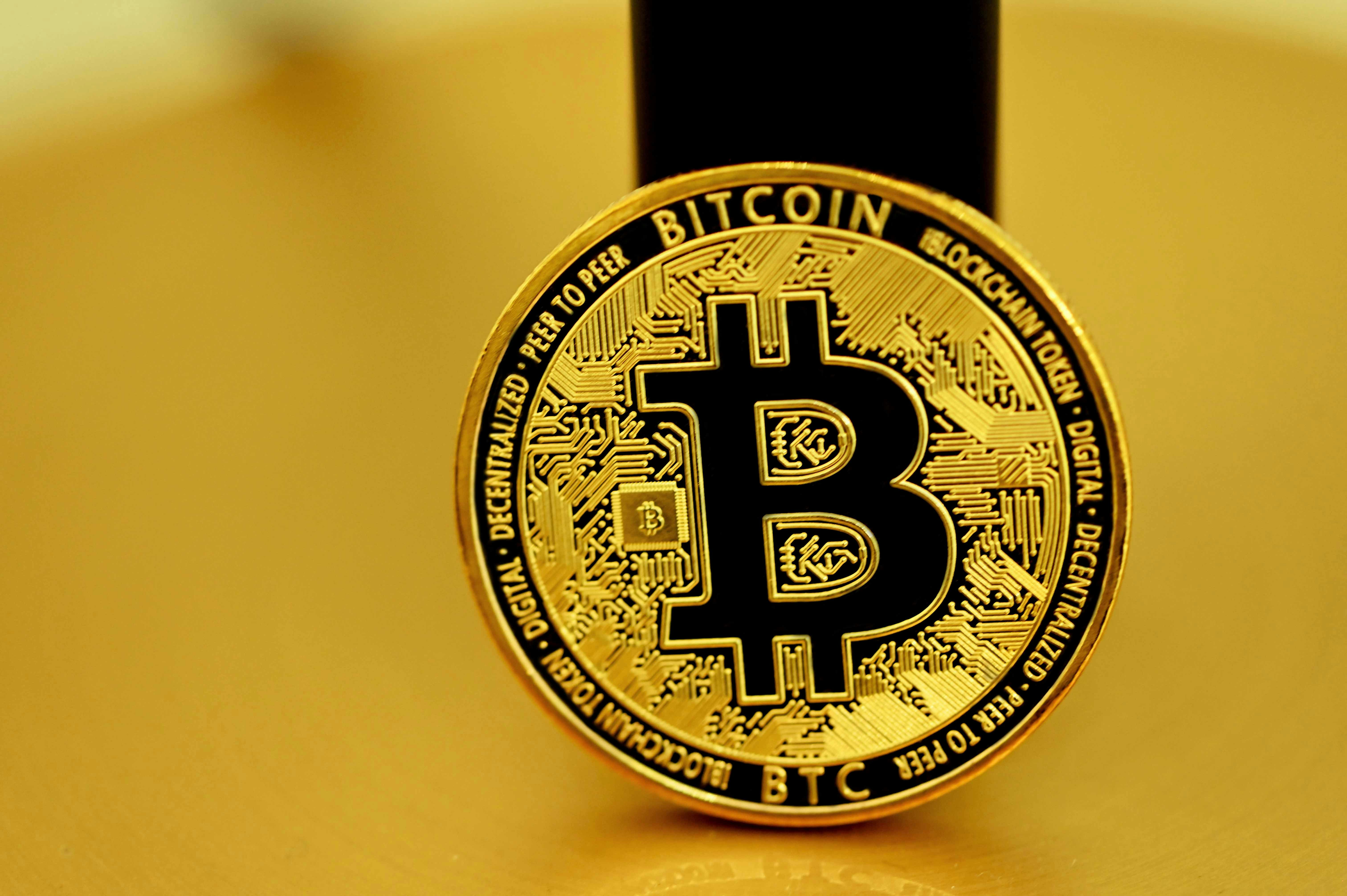
Introduction to Tokenization
Tokenization refers to the process of converting real-world assets into digital tokens that are recorded and managed on a blockchain. This innovative approach enables the representation of tangible goods, such as real estate, art, or financial instruments, in a digital format, thereby making these assets more accessible and tradable within a decentralized framework. By transforming physical assets into tokens, the potential for enhanced liquidity and broader market participation becomes a reality.
One of the standout benefits of tokenization is increased liquidity. Traditional assets can often be illiquid, meaning that buying or selling them can take time and involve considerable transaction costs. However, when these assets are tokenized, they can be traded more efficiently on blockchain platforms, allowing for quicker transactions and a more fluid exchange of value. This ease of transfer not only attracts a wider array of investors but also facilitates a more dynamic market environment.
Moreover, tokenization introduces the concept of fractional ownership, which allows multiple investors to own a share of an asset, rather than requiring a single party to purchase the entire item. This democratizes access to high-value investments that may have previously been out of reach for many individual investors. Furthermore, through the division of an asset into smaller, tradable tokens, ownership becomes more attainable and inclusive.
Security is another critical advantage of tokenization. Utilizing blockchain technology ensures that transactions are immutable and transparently recorded. This feature minimizes the risk of fraud and enhances the overall security of asset ownership, as transaction histories can be easily verified. Tokenization thus not only streamlines asset management but also reinforces trust among participants in the market.
In summary, tokenization presents a progressive solution to traditional asset management challenges by fostering liquidity, enabling fractional ownership, and bolstering security.
Understanding Real-World Assets
Real-world assets (RWAs) are tangible or intangible items of value that exist outside the digital realm. These assets include a diverse range of categories such as real estate, art, commodities, and intellectual property, each possessing unique characteristics that contribute to their value. Real estate, for example, offers stability and potential appreciation, making it a sought-after investment. High-value properties not only provide rental income but also serve as a hedge against inflation, further enhancing their desirability.
Artworks and collectibles represent another category of RWAs, distinguished by their rarity and cultural significance. The value of art is often subjective, driven by factors such as the reputation of the artist, historical importance, and the emotional appeal of the piece. This inherent uniqueness can result in significant price variations within the market. Commodities, such as precious metals and agricultural products, are similarly regarded as RWAs due to their physical presence and essential role in the global economy. They serve as vital resources for industrial processes and consumer goods, thus maintaining their value over time.
Intellectual property, including patents, trademarks, and copyrights, diverges slightly as it encompasses rights to creations or inventions rather than physical items. Although intangible, these assets can generate substantial income through licensing and royalties, highlighting their importance in various industries. The value of RWAs arises from their ability to provide utility, security, and potential for appreciation or income generation.
Tokenization presents a transformative opportunity to enhance the value and accessibility of these real-world assets. By converting physical assets into digital tokens on a blockchain, fractional ownership becomes feasible, allowing more investors to participate in markets that were previously exclusive. This process not only increases liquidity but also streamlines transactions, ultimately expanding the reach and potential profitability of real-world assets.
The Blockchain Technology Behind Tokenization
Tokenization of real-world assets has gained significant traction, largely due to the advantages provided by blockchain technology. At its core, blockchain is a decentralized ledger system that securely records transactions across numerous computers, ensuring that any alteration of the data would require consensus from the majority of participants. This decentralization is pivotal in enhancing security and reducing reliance on a central authority, thereby addressing concerns regarding fraud and manipulation.
One of the most compelling aspects of blockchain technology is the application of smart contracts. These self-executing contracts contain predefined rules and conditions coded within the blockchain, allowing for automated, reliable, and efficient execution of agreements. In the context of asset tokenization, smart contracts facilitate the seamless transfer of token ownership and enforce terms associated with each tokenized asset. By removing intermediaries typically involved in asset transactions, smart contracts not only streamline processes but also reduce costs and save time for all parties involved.
Another crucial principle of blockchain technology is immutability. Once data is recorded onto the blockchain, it becomes virtually impossible to alter or delete it, which fosters a high level of trust and transparency. This immutability ensures that the history of each tokenized asset remains intact and accessible for verification by all stakeholders. Consequently, investors and asset holders can confidently engage in transactions without fear of misrepresentation or data loss.
In summary, the integration of blockchain technology in asset tokenization provides a robust framework characterized by decentralization, smart contracts, and immutability. These features contribute significantly to enhanced transparency, security, and trust in asset transactions, making blockchain a transformative force in the world of tokenization. As this technology continues to evolve, additional opportunities for efficiency and valuable innovations are expected to emerge.
Benefits of Tokenizing Real-World Assets
Tokenization of real-world assets offers a multitude of benefits that can transform traditional investment landscapes. One of the primary advantages is increased accessibility. By leveraging blockchain technology, assets such as real estate, art, or commodities can be fractionalized, allowing a more diverse pool of investors to participate. For instance, an entire property can be tokenized into multiple shares, enabling individuals who may not have the capital to acquire a full asset to invest in smaller portions. This democratization of investment is significant, as it opens financial opportunities for a broader audience.
Another compelling benefit relates to the reduction of entry barriers for investors. Historically, investments in high-value assets often required substantial upfront capital. However, tokenization enables a lower minimum investment threshold, making it feasible for retail investors to engage in markets once dominated by affluent individuals. This shift not only broadens the investor base but also fosters greater market liquidity. One supporting case is the tokenization of artwork, where investors can buy shares in valuable pieces, thereby democratizing art investment while facilitating liquidity for the asset owners.
Enhanced security measures are also a crucial advantage of tokenization. On a blockchain, each token is recorded in a secure and immutable ledger, significantly reducing risks associated with fraud and coercion. The ownership history and transaction integrity are transparent, which builds trust among investors. For instance, the luxury watch market has utilized tokenization to provide proof of authenticity and ownership through smart contracts, ensuring that buyers can securely invest without fear of counterfeits.
Lastly, tokenized transactions offer potential for greater efficiency. Traditional methods of transferring ownership of assets can be cumbersome and slow, often involving intermediaries such as banks or brokers. Tokenization streamlines these processes by facilitating peer-to-peer transactions directly on the blockchain, thus reducing costs and transaction times. Overall, these advantages illustrate how tokenization can revolutionize how real-world assets are traded and valued, paving the way for innovative investment strategies.
Challenges and Risks of Tokenization
Tokenization of real-world assets on the blockchain presents a promising avenue for innovation, yet it is undeniably accompanied by a range of challenges and risks that stakeholders must navigate. One of the most significant concerns lies in the regulatory landscape surrounding tokenized assets. Regulatory bodies across different jurisdictions are still grappling with how to classify and manage these digital representations of tangible assets. Inconsistent regulations may lead to legal uncertainties, making it difficult for businesses to operate confidently in the space. Compliance with anti-money laundering (AML) and know your customer (KYC) requirements adds another layer of complexity, necessitating robust systems to ensure regulatory adherence.
Additionally, market volatility poses a considerable risk when it comes to the valuation of tokenized assets. Unlike traditional assets, the value of tokenized assets can fluctuate dramatically due to factors such as demand, investor sentiment, and macroeconomic trends. This volatility can affect the liquidity of tokenized assets, making it challenging for investors to enter or exit positions without incurring significant losses. Furthermore, the relatively nascent nature of the tokenization market contributes to its unpredictability, where prices can be influenced by speculation as much as by the underlying asset’s performance.
Technological risks also present a critical concern in the tokenization landscape. The security of blockchain networks, smart contract vulnerabilities, and potential issues related to data breaches can jeopardize the integrity of tokenized assets. If a smart contract is improperly coded or audited, it may expose investors to financial loss. Finally, assessing the true value of an asset being tokenized can be challenging, particularly when dealing with illiquid or unique assets. Accurate valuation methods that can adjust for market conditions and provide clear insights into the asset’s worth are essential for bolstering investor confidence and success in the tokenization space.
Current Use Cases of Tokenized Real-World Assets
Tokenization is transforming the landscape of various industries by enabling the conversion of real-world assets into digital tokens on the blockchain. This innovation is fostering transparency, efficiency, and accessibility across sectors such as real estate, art, and finance. Each of these industries employs tokenization in distinct yet impactful ways, creating new opportunities for investment and ownership.
In the real estate sector, tokenization allows fractional ownership of properties, making it easier for individuals to invest in high-value assets without needing vast capital. For instance, platforms are now emerging that tokenize multi-family units, commercial buildings, or even real estate investment trusts (REITs). This not only enhances liquidity but also democratizes access to real estate markets, enabling a broader range of investors to participate. By leveraging blockchain’s immutable ledger, these transactions ensure a transparent history of ownership and transfers, thereby increasing trust among participants.
The art world embraces tokenization through the creation of non-fungible tokens (NFTs), which represent ownership of unique pieces of art. Artists can tokenize their works, allowing for secure and verifiable ownership transfer. This process not only secures provenance but also opens up new revenue streams through royalties whenever the artwork is resold. Major art fairs and galleries have started to showcase digital artworks, reflecting a shift in how art can be owned and traded in the modern economy.
In the finance sector, tokenization is simplifying and speeding up transactions involving traditional assets, such as bonds and equities. Financial institutions are increasingly adopting blockchain solutions that allow for the issuance and transfer of tokenized securities. By streamlining these processes, tokenization reduces costs and enhances efficiency, making it an attractive option for both issuers and investors.
Overall, the varied use cases of tokenized real-world assets demonstrate the expansive potential of blockchain technology. By ensuring transparency and efficiency, tokenization is paving the way for innovative solutions in numerous industries.
Future Trends in Tokenization
Tokenization has emerged as a transformative force in the realm of finance and asset management, and its future promises to be shaped by several pivotal trends. One of the most significant advancements lies in the continuous evolution of blockchain technology. As protocols become more robust and efficient, we anticipate enhancements in transaction speed, scalability, and interoperability between different blockchain networks. These improvements will likely facilitate broader adoption across various asset classes, encouraging stakeholders to explore innovative use cases such as tokenizing real estate, art, and even intellectual property.
Additionally, as regulatory frameworks around blockchain and digital assets mature, we are poised to witness a clearer landscape that will boost confidence among investors and businesses alike. Governments and regulatory bodies globally are increasingly recognizing the potential of tokenization, which may lead to improved guidelines that both protect consumers and encourage innovation. This regulatory clarity will be paramount in legitimizing tokenized assets, making them more attractive to institutional investors and paving the way for wider market acceptance.
Moreover, the trend toward decentralized finance (DeFi) is reshaping how tokenized assets are perceived and utilized. With an ever-growing array of decentralized applications providing liquidity and new financial instruments, tokenized assets are becoming integrated into more complex financial ecosystems. This integration opens doors for novel investment opportunities, risk management strategies, and increased liquidity for previously illiquid assets. The synergy between tokenization and DeFi will redefine traditional finance, enabling more inclusive participation and democratizing access to asset ownership.
In conclusion, the future of tokenization is promising, fueled by technological advancements, regulatory developments, and its intersection with decentralized finance. These trends not only enhance the viability of tokenized assets but also highlight the expansive potential that blockchain technology holds for revolutionizing sectors far beyond finance.
How to Get Started with Tokenizing Real-World Assets
Tokenizing real-world assets is an innovative way for individuals and businesses to leverage blockchain technology. To initiate the process, the first step is selecting an appropriate blockchain platform. Various platforms offer unique features, scalability options, and transaction speeds. Ethereum is a popular choice due to its robust smart contract capabilities, while newer platforms such as Tezos and Polkadot may offer improved transactional efficiency and lower fees. Assessing the specific needs of the asset type and intended use case is crucial in making a well-informed decision.
Next, engaging with legal and financial advisors is essential to navigate the complex landscape of tokenization. Real-world assets can encompass a wide range of ownership structures, regulations, and compliance requirements. Seeking counsel from experts familiar with securities law, intellectual property, and asset valuation can help mitigate potential pitfalls and foster a smoother tokenization process. This engagement also assists in establishing a clear understanding of which regulatory frameworks specific to your jurisdiction apply to your tokenization project.
Furthermore, gaining insight into compliance requirements is critical for ensuring that the tokenization process aligns with legal standards. This may involve registering securities with relevant authorities, adhering to anti-money laundering (AML) guidelines, and fulfilling know your customer (KYC) protocols. Token creators must be proactive in understanding these regulations to avoid future complications. Building an efficient tokenomics structure that ensures both value creation and regulatory adherence contributes to the sustainability and legitimacy of the tokenized asset.
As a preliminary step, conducting thorough market research is also beneficial. This research should assess potential demand, target audience, and competitive landscape. Engaging with prospective investors early in the process can validate the tokenization concept and clarify expectations. By following these steps—selecting the right platform, consulting with experts, ensuring compliance, and conducting market research—individuals and businesses can position themselves effectively to enter the tokenization arena and unlock the value of real-world assets.
Conclusion: Embracing the Tokenization Revolution
As we have explored throughout this blog post, the concept of tokenization presents a transformative opportunity for reshaping the landscape of traditional assets in the modern economy. By converting tangible and intangible assets into digital tokens on the blockchain, we open avenues for enhanced liquidity, fractional ownership, and improved accessibility. Each of these benefits plays a critical role in how individuals and institutions can interact with assets ranging from real estate and art to commodities and more.
The traditional barriers to entry for investment in these assets often include high capital requirements and regulatory complexities. However, with tokenization, these barriers can be significantly reduced, allowing a broader demographic of investors to participate in markets that were previously out of reach. The impact of this democratization cannot be understated, as it fosters a fairer investment ecosystem where opportunities are more widely distributed.
Moreover, the security and transparency afforded by blockchain technology enhance trust in transactions, propelling efficiency in asset trading and ownership verification. As we see the continued evolution of regulatory frameworks and technological advancements surrounding blockchain, it is imperative for professionals and investors to stay informed about developments in this space. Embracing the tokenization revolution means recognizing its potential to redefine value transfer and ownership structures.
In light of these insights, readers are encouraged to consider the implications of tokenization on their investment strategies and explore new possibilities that may arise. The potential for growth and innovation in the tokenization of real-world assets is vast, and understanding these developments will be vital in navigating the future of finance. The blockchain’s capability to streamline and secure asset transactions serves as a powerful reminder of the importance of embracing change in our rapidly evolving economic landscape.