
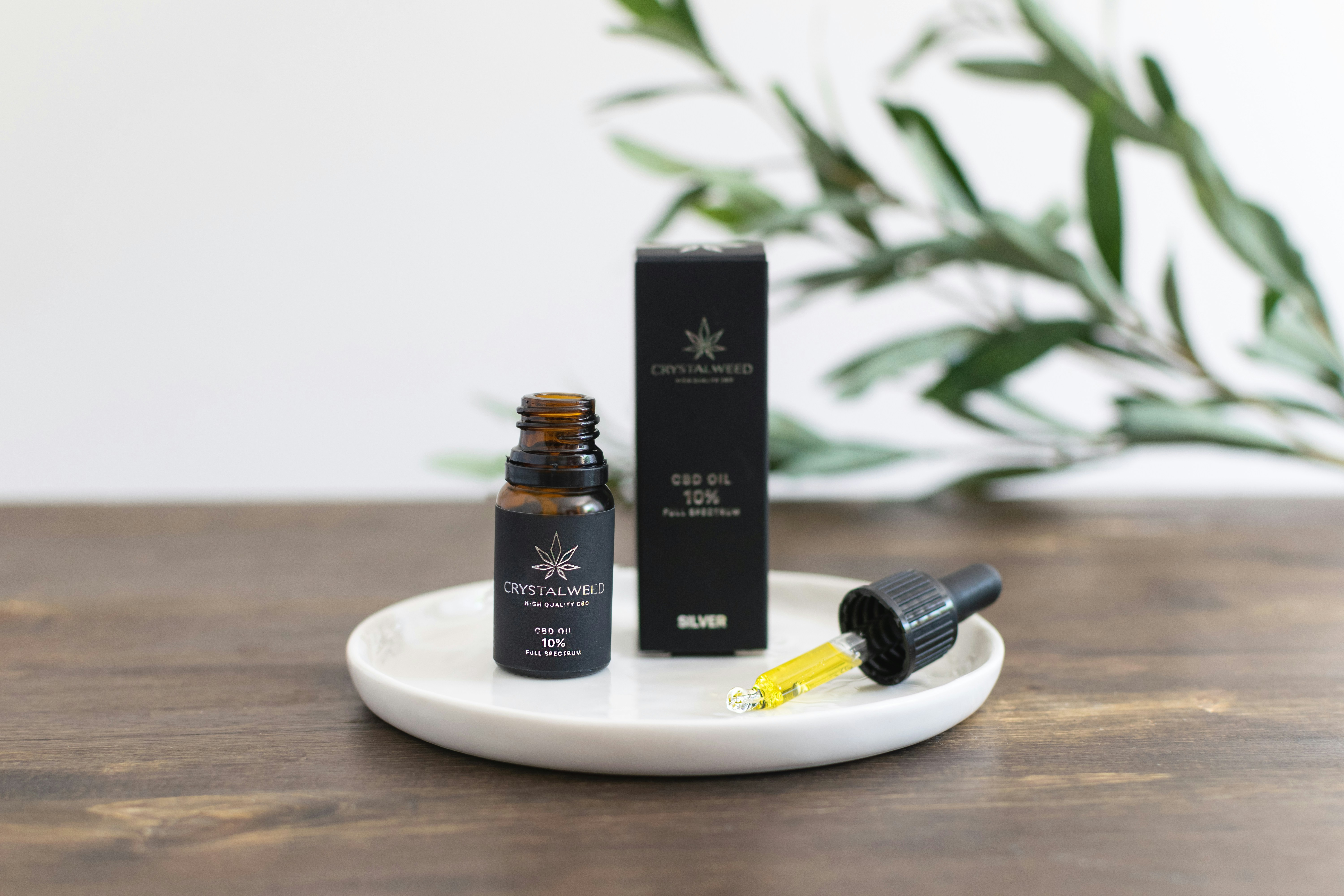
Introduction to CBD Oil
Cannabidiol, commonly known as CBD, is a natural compound derived from the cannabis plant, specifically from the hemp variety. Unlike its more widely known counterpart, tetrahydrocannabinol (THC), CBD does not produce psychoactive effects. This property renders CBD oil a popular choice for individuals seeking the therapeutic benefits of cannabis without the high associated with THC. The extraction process often involves using solvents or oils to isolate cannabinoids from the plant material, ultimately resulting in CBD oil that can be consumed in various forms, including tinctures, capsules, or topical applications.
The legal status of CBD oil varies significantly across different countries and regions. In the United States, for instance, the passage of the 2018 Farm Bill legalized hemp-derived CBD products containing less than 0.3% THC at the federal level. However, individual states maintain authority to regulate CBD sale and use, leading to a patchwork of laws that can sometimes confuse consumers. Conversely, countries such as Canada and certain European nations have embraced broader acceptance of CBD products, while others continue to impose strict regulations limiting its availability. As a result, it is crucial for consumers to be aware of local laws before acquiring or using CBD oil.
The growing interest in CBD oil has led to extensive research into its potential benefits, which range from alleviating anxiety and pain to promoting better sleep. However, it is equally important to consider the risks associated with its use, as well as appropriate dosages to ensure safety and efficacy. This blog post will delve deeper into these benefits and risks, furnishing readers with a comprehensive understanding of CBD oil’s place in modern wellness practices.
Benefits of CBD Oil
Cannabidiol (CBD) oil has gained significant attention for its potential health benefits. One of the most well-known uses of CBD oil is for pain relief. Numerous studies indicate that CBD may interact with the body’s endocannabinoid system, which plays a vital role in regulating pain. A 2018 study published in the journal Frontiers in Pharmacology demonstrated that CBD could reduce chronic pain and inflammation, providing a promising alternative to traditional pain medications.
In addition to its analgesic properties, CBD oil is recognized for its potential to alleviate anxiety and stress. Research conducted in 2019 highlighted that CBD may help reduce anxiety in both human and animal studies. This effect is believed to stem from CBD’s ability to influence serotonin levels in the brain, which is critical for mood regulation. As a result, individuals suffering from social anxiety disorder or generalized anxiety disorder may find relief through the use of CBD oil.
Furthermore, the anti-inflammatory properties of CBD cannot be overlooked. Multiple studies emphasize that CBD exhibits significant anti-inflammatory effects, which could provide benefits for individuals with autoimmune diseases or chronic inflammatory conditions. A notable study published in the Journal of Experimental Medicine found that CBD reduced inflammation and pain in mice, suggesting a potential application in treating human inflammatory conditions.
CBD oil is also being explored for its anti-seizure properties, with research indicating its effectiveness in controlling epilepsy, particularly in drug-resistant cases. The FDA has approved Epidiolex, a CBD oil formulation, for treating two severe forms of epilepsy: Lennox-Gastaut syndrome and Dravet syndrome. This approval underscores the therapeutic potential of CBD oil in managing severe medical conditions.
In summary, the potential benefits of CBD oil are vast, ranging from pain relief and anxiety reduction to anti-inflammatory properties and seizure control. As research continues to evolve, further understanding of these effects will pave the way for more informed usage of CBD oil in various medical applications.
Risks and Side Effects of CBD Oil
While CBD oil has gained recognition for its potential therapeutic benefits, it is critical to be aware of its associated risks and side effects. The regulatory environment surrounding CBD oil remains inconsistent, with limited oversight by government agencies. This lack of regulation can lead to variations in product quality and strength, exposing consumers to potentially harmful additives or inaccurate dosage recommendations. As a result, the credibility of certain products may be questionable, which highlights the need for consumers to source CBD oil from reputable suppliers that provide third-party testing results.
One primary concern when using CBD oil is the possibility of drug interactions. CBD can affect the metabolism of certain medications, which may heighten or diminish their efficacy. Individuals taking other pharmaceuticals should consult with a healthcare provider before incorporating CBD oil into their regimen. This step is particularly advisable for those on medications affecting the liver, as CBD is processed through liver enzymes. Therefore, without professional guidance, there is a risk of unanticipated side effects stemming from these interactions.
Common side effects linked to CBD oil include fatigue, nausea, and changes in appetite. While these side effects typically appear mild, they can impact one’s quality of life. Fatigue can limit daily activities, while nausea may deter individuals from wanting to incorporate CBD oil into their wellness routine. Additionally, fluctuations in appetite could result in unintended weight loss or gain for some users. Overall, while cannabinoid therapy may provide numerous benefits, approaching its usage with caution and informed insight is essential. A consultation with a healthcare professional ensures that individuals can assess the potential side effects against their specific health circumstances, allowing for more effective and safer use of CBD oil.
Understanding CBD Dosage
Determining the appropriate dosage of CBD oil is a crucial step for individuals seeking its potential benefits. The dosage can significantly vary based on several factors including body weight, age, and the severity of the condition being treated. Additionally, the form of CBD oil—whether it’s tinctures, capsules, or edibles—can influence how the body metabolizes the compound and, consequently, the effective dosage.
Body weight plays a vital role in the amount of CBD an individual might need. A common recommendation is to start with 1-6 mg of CBD per 10 pounds of body weight. For instance, a person weighing 150 pounds might begin with a dose ranging from 15 mg to 90 mg. It is essential to consider personalization, as factors such as metabolism and overall health can necessitate adjustments. Therefore, individuals should monitor how they feel and adjust their dosage accordingly while ensuring they remain within safe limits.
Age also impacts how one’s body processes CBD. Older adults may experience different effects compared to younger individuals due to changes in metabolism and overall health. Individuals with pre-existing health conditions must consult healthcare professionals before starting any dosage regimen, particularly if they are taking other medications.
The severity of the condition being treated is another consideration that will guide dosage. For mild symptoms, lower doses may suffice, whereas more severe symptoms might require increased dosages. Starting with a low dose and gradually increasing it is generally recommended to find the optimal amount that produces desired effects without triggering adverse reactions.
In conclusion, determining the appropriate CBD oil dosage is a multifaceted process influenced by individual characteristics and specific health conditions. Careful consideration and adjustment are necessary for maximizing therapeutic benefits while minimizing risks.
Different Forms of CBD Oil
CBD oil is available in various forms, each offering unique benefits and characteristics that cater to different preferences and needs of users. The primary types of CBD oil are full-spectrum, broad-spectrum, and isolate. Understanding these distinctions is essential for users seeking to maximize the benefits of CBD oil.
Full-spectrum CBD oil contains a wide range of cannabinoids, including THC, terpenes, and other compounds naturally found in the cannabis plant. The presence of THC, albeit in trace amounts (typically less than 0.3%), is believed to enhance the overall effectiveness of CBD through the “entourage effect,” which refers to the synergistic interaction between cannabinoids. Users opting for full-spectrum products often seek the full range of therapeutic benefits that various cannabinoids provide.
Broad-spectrum CBD oil, on the other hand, is similar to full-spectrum but without the THC content. This form retains multiple cannabinoids and terpenes, thus preserving the entourage effect while eliminating psychoactive properties. Broad-spectrum is often favored by individuals who want to experience the benefits of multiple cannabinoids but may be concerned about the legality or side effects associated with THC. It serves as a suitable middle-ground for those who prefer a more holistic approach without the risks associated with THC.
CBD isolate is the purest form of CBD, consisting of 99% CBD content and devoid of any other cannabinoids, terpenes, or plant compounds. This form is ideal for individuals who want to precisely control their CBD intake or those sensitive to other cannabinoids. While it lacks the entourage effect, users may still experience benefits specific to CBD, making it a popular choice for newcomers or those looking for a highly concentrated product.
By understanding the different forms of CBD oil available on the market, consumers can make informed decisions tailored to their specific needs and preferences, ultimately enhancing their experience with CBD oil.
Current Research and Future Directions
The scientific exploration of cannabidiol, commonly known as CBD oil, has surged markedly in recent years. This increase in research aligns with the growing interest in cannabis-derived products for medicinal and therapeutic applications. Presently, numerous studies are investigating the efficacy of CBD oil in treating various health conditions, including anxiety, chronic pain, and epilepsy. For instance, a significant clinical trial published in 2022 highlighted CBD oil’s potential in managing anxiety disorders. Participants reported substantial reductions in anxiety levels, suggesting a promising therapeutic benefit that warrants further investigation.
In addition to anxiety, research is expanding to assess the effects of CBD oil on neurological disorders. A recent analysis demonstrated its potential neuroprotective properties, suggesting that CBD may play a role in mitigating symptoms associated with conditions like Parkinson’s disease and multiple sclerosis. These findings have ignited a renewed interest in understanding the mechanisms underlying CBD oil’s interaction with the endocannabinoid system, providing insights that could revolutionize treatment options.
<pthe additionally,="" addressing="" also="" and="" applications.="" around="" as="" availability="" benefits="" but="" cannabis="" cbd="" challenges="" clearer="" clinical="" concentrations="" conclusive="" continue="" direction="" dosage="" dosages="" efficacy="" establish="" evidence="" evolve="" expected="" for="" formulations,="" frameworks="" from="" future="" globally,="" guidelines,="" hence="" high-quality,="" improve,="" in="" is="" just="" leading="" legal="" likely="" material="" more="" not="" of="" oil="" oil's="" oil.="" ongoing="" optimal="" p="" pivot="" presents="" products,="" recommendations.="" regarding="" research="" risks.
Understanding the landscape of current research and potential future directions is crucial for both consumers and healthcare professionals. As this field progresses, it is anticipated that further discoveries will contribute to a better understanding of CBD oil’s role in medical and wellness contexts, ultimately enhancing its application in healthcare settings.
Legal Status of CBD Oil
The legal status of CBD oil varies significantly across different countries and regions, reflecting a complex regulatory environment. In recent years, many nations have made strides towards the decriminalization of cannabis and its derivatives, including CBD oil. However, the laws governing its use can be ambiguous and are subject to change. For instance, in the United States, the 2018 Farm Bill legalized hemp-derived CBD products containing less than 0.3% THC on a federal level. This marked a significant change, enabling wider availability of CBD oil to consumers. Nevertheless, individual states retain the authority to regulate CBD oil, creating a patchwork of laws that can differ dramatically from one state to another. Some states have fully embraced the legality of CBD oil for both medical and recreational uses, while others maintain strict regulations or outright bans.
Internationally, the legal landscape is equally varied. For example, countries like Canada and Australia have implemented frameworks that allow for the legal sale of CBD oil. In contrast, other nations, particularly those with stringent drug laws, may classify CBD oil similarly to cannabis, resulting in severe penalties for possession or distribution. It is crucial for consumers to understand the legal status of CBD oil in their specific jurisdiction before purchasing or using it. Ignorance of the law can potentially lead to legal repercussions, including fines or other criminal charges.
For consumers seeking to purchase CBD oil, it is advisable to conduct thorough research on local laws to ensure compliance. Additionally, purchasing from reputable sources that provide clear information regarding their products’ legal status, and accompanying lab reports can also help mitigate risks associated with legality. By staying informed about the evolving regulations surrounding CBD oil, consumers can navigate this landscape more effectively.
Consumer Tips for Buying CBD Oil
When navigating the market for CBD oil, consumers should prioritize informed decision-making to ensure they are purchasing a quality product. First and foremost, examining product labels is critical. A reputable CBD oil should detail its ingredients, the concentration of cannabidiol (CBD), and the type of extraction process utilized. Consumers should be wary of products that lack comprehensive labeling, as this may indicate a less trustworthy brand.
Another essential factor to consider is third-party testing. A reliable CBD oil product should be accompanied by a certificate of analysis (COA) that demonstrates it has undergone independent testing for potency and purity. This testing not only confirms the CBD concentration but also checks for harmful contaminants, such as heavy metals or pesticides. Brands that prioritize transparency by providing access to these test results are typically more trustworthy, as they are committed to consumer safety
Furthermore, it is beneficial for consumers to familiarize themselves with reputable brands. Conducting online research, including reading reviews, can provide insight into the experiences of others with the product. Social media platforms and forums can also be valuable resources for consumer feedback. Look for companies that have a solid reputation, established history, and provide clear information about their sourcing and manufacturing processes.
To avoid low-quality products or misleading marketing, consumers should exercise caution. Be skeptical of exceedingly bold claims, such as “cure-all” statements, which can often indicate a lack of scientific support for the product. Brands that adhere to ethical marketing practices tend to be more credible. By taking these consumer tips into account, individuals can make better-informed choices, paving the way for a secure and beneficial experience with CBD oil.
Conclusion: Is CBD Oil Right for You?
In light of the growing popularity of CBD oil, it is essential to examine the potential benefits and risks associated with its use. Research has highlighted several promising effects of CBD, including relief from anxiety, improved sleep quality, and alleviation of chronic pain. These benefits may make CBD oil an attractive option for individuals seeking alternatives to traditional pharmaceuticals. However, it is crucial to approach this supplement with a balanced view, considering not only the advantages but also the risks involved.
Despite its natural origins, CBD oil can interact with various medications and can lead to side effects such as dizziness, fatigue, or gastrointestinal issues in some individuals. Furthermore, the lack of regulation in the production of CBD products can contribute to inconsistencies in quality and concentration. As a result, some products may not contain the advertised levels of active ingredients or could inadvertently include harmful substances. This uncertainty underscores the importance of obtaining CBD oil from reputable sources, where third-party lab testing is standard practice.
Before beginning any new supplement regimen, including CBD oil, it is advisable to consult healthcare professionals. They can provide personalized guidance based on one’s health history and current medications, ensuring a safe and informed approach to using CBD oil. Ultimately, whether CBD oil is suitable for your needs depends on individual circumstances, preferences, and health goals. By carefully weighing the potential benefits against the risks, you can make a more informed decision on integrating CBD oil into your lifestyle.